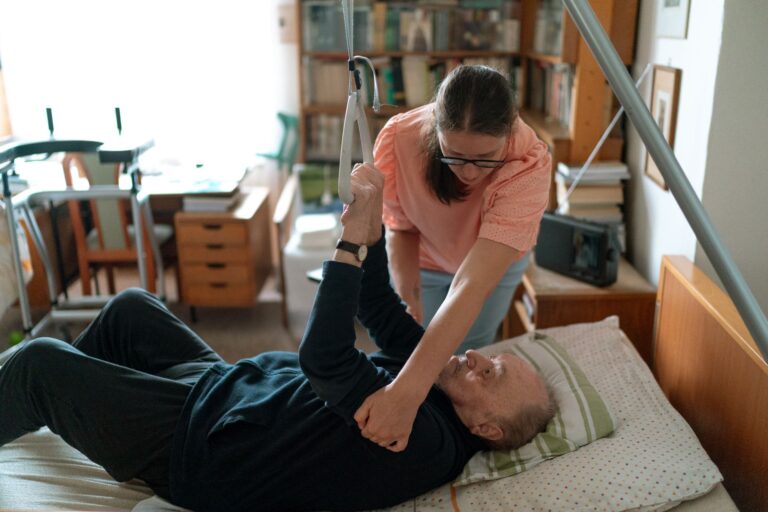
Reclaim sits at the center of this dementia and brain health question.
Reclaiming your identity in your 30s and 40s can be a transformative journey, filled with challenges and opportunities for growth. This period often brings significant life changes, such as career shifts, family responsibilities, and aging parents, which can lead to feelings of uncertainty and disconnection from your true self. Here are some steps to help you navigate this process and rediscover who you are:
### Acknowledge Your Feelings
The first step in reclaiming your identity is to acknowledge and process your emotions. It’s easy to get caught up in the hustle and bustle of life and suppress feelings of frustration, confusion, or dissatisfaction. However, suppressing emotions can lead to unhealthy coping strategies and increased stress. Instead, find healthy outlets like journaling, talking to a trusted friend, or seeking therapy. These tools can help you understand and manage your emotions better.
### Reevaluate Your Values and Goals
As you grow older, your values and goals may change. What was important to you in your 20s might not be as relevant now. Take time to reflect on what truly matters to you today. Ask yourself questions like: What are my core values? What kind of person do I want to be? What are my long-term goals? Aligning your actions with your current values can help you feel more authentic and directed.
### Embrace Change and Adaptability
Change is inevitable, and being adaptable is crucial for personal growth. Whether it’s a career change, a move to a new city, or a shift in family dynamics, embracing these changes can help you discover new aspects of yourself. Cultivate a mindset that sees challenges as opportunities for growth rather than threats to your identity.
### Develop Emotional Intelligence
Emotional intelligence is the ability to recognize and understand emotions in yourself and others. Developing this skill can help you build stronger relationships and make more informed decisions. It involves being vulnerable, empathetic, and genuinely connected with others. This doesn’t mean losing your strength; rather, it means integrating emotional awareness into your existing strengths.
### Seek Support
Reclaiming your identity doesn’t have to be a solo journey. Surround yourself with people who support and encourage you. This could be friends, family, or a therapist. Having a supportive network can provide valuable insights and help you stay motivated during challenging times.
### Focus on Self-Care
Taking care of your physical and mental health is essential for maintaining clarity and energy as you navigate this journey. Engage in activities that bring you joy and help you relax, such as exercise, meditation, or hobbies. A healthy body and mind are better equipped to handle the challenges of rediscovering your identity.
### Explore New Interests
Trying new things can be a great way to discover new facets of yourself. Whether it’s learning a new skill, taking up a hobby, or exploring different cultures, these experiences can help you find new passions and interests that align with your evolving identity.
Reclaiming your identity in your 30s and 40s is about embracing change, exploring new possibilities, and staying true to yourself. It’s a journey that requires patience, self-awareness, and a willingness to grow. By focusing on these aspects, you can build a stronger, more authentic sense of self that aligns with who you are today.
For more, see NIH MedlinePlus — cognitive testing.