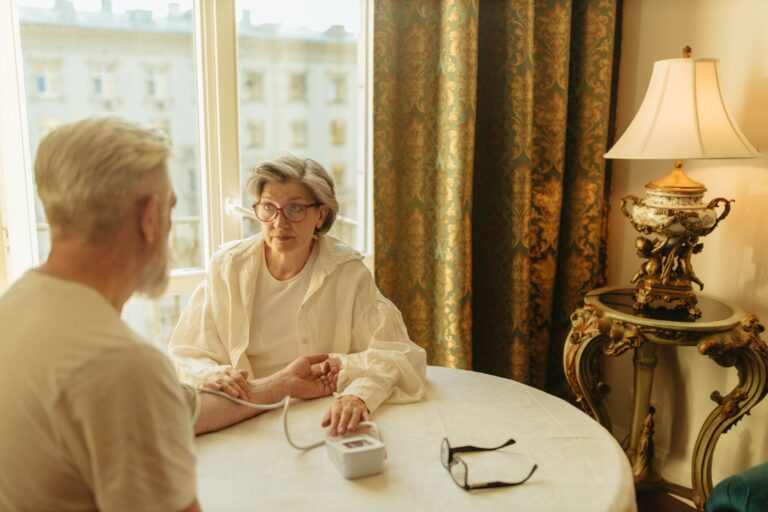
Most popular sits at the center of this dementia and brain health question.
When it comes to managing dementia, medications play a crucial role in helping to alleviate symptoms and improve the quality of life for those affected. While there is no cure for most types of dementia, certain medications can help slow down cognitive decline and manage behavioral changes. Here are some of the most popular medications used for dementia:
**Cholinesterase Inhibitors**
These are the most commonly prescribed medications for dementia, especially for Alzheimer’s disease. They work by increasing the levels of a neurotransmitter called acetylcholine, which is important for memory and learning. In Alzheimer’s, there is often a deficiency of acetylcholine, contributing to cognitive decline. Examples of cholinesterase inhibitors include:
– **Donepezil (Aricept)**: Often used to treat mild to moderate Alzheimer’s disease.
– **Rivastigmine (Exelon)**: Available in pill or patch form, it helps improve cognitive function.
– **Galantamine (Razadyne)**: Similar to donepezil and rivastigmine, it aids in managing symptoms related to memory and thinking.
**NMDA Receptor Antagonists**
Another class of medications is NMDA receptor antagonists, which protect brain cells from damage. The most well-known medication in this category is:
– **Memantine (Namenda)**: Typically taken as an oral pill, it helps slow down cognitive decline in moderate to severe Alzheimer’s disease.
**Combination Medications**
Some medications combine different active ingredients to provide a more comprehensive approach to managing dementia symptoms. For example:
– **Memantine/Donepezil (Namzaric)**: This combination medication combines the benefits of both memantine and donepezil, offering a single pill that can help manage symptoms more effectively.
**Other Potential Medications**
While not specifically approved for dementia, some everyday medications and vaccines have shown potential in reducing the risk of developing dementia. These include:
– **Statins**: Used to lower cholesterol, they may have protective effects against dementia.
– **Shingles Vaccine**: Research suggests that certain vaccines could have a role in preventing dementia.
– **Diabetes Medications**: Some studies indicate that certain diabetes drugs might help protect against Alzheimer’s disease in older adults with Type 2 diabetes.
In summary, while these medications cannot cure dementia, they can significantly improve the quality of life for those affected by managing symptoms and potentially slowing down cognitive decline. It’s important to consult with a healthcare provider to determine the best treatment plan for individual needs.
For more, see Alzheimer’s Association — caregiving.