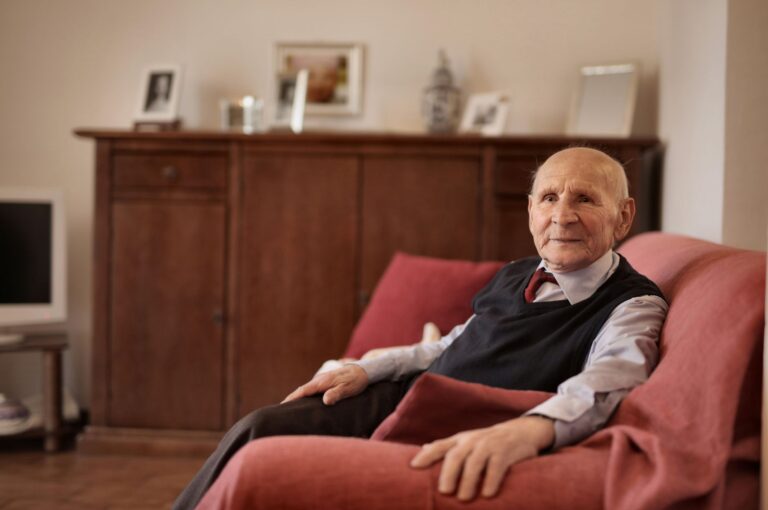
People with dementia often find comfort and security when surrounded by familiar objects during therapy sessions. This is because these objects can evoke powerful memories and emotions, helping them connect with their past and feel more grounded in the present. Familiar objects, such as photographs, music, or scents, can trigger memory recall and stimulate conversations, which are essential for maintaining emotional well-being and cognitive function.
One of the key reasons familiar objects are effective is that they tap into the person’s long-term memory, which often remains intact even as short-term memory fades. This means that even if someone with dementia can’t remember what happened yesterday, they might still recall fond memories from years ago when they see or smell something familiar. For example, the scent of baking cookies might remind them of family gatherings or special occasions, evoking feelings of joy and comfort.
Familiar objects also serve as emotional anchors, providing a sense of security and stability in a world that might otherwise feel confusing or overwhelming. In therapy sessions, these objects can be used to create a calming environment, reducing anxiety and agitation. Activities like reminiscence therapy, which involves discussing past experiences and memories, can help improve communication skills and reduce behavioral challenges.
Moreover, engaging with familiar objects can give people with dementia a sense of purpose and self-worth. For instance, helping with tasks like folding laundry or arranging flowers can make them feel productive and valued. These activities not only provide mental stimulation but also offer a way to connect with others, fostering meaningful interactions and relationships.
In summary, familiar objects play a crucial role in dementia therapy by enhancing memory recall, providing emotional comfort, and promoting a sense of security and purpose. They help bridge the gap between past and present, making therapy sessions more effective and enjoyable for individuals with dementia.
For more, see Alzheimer’s Association — caregiving.