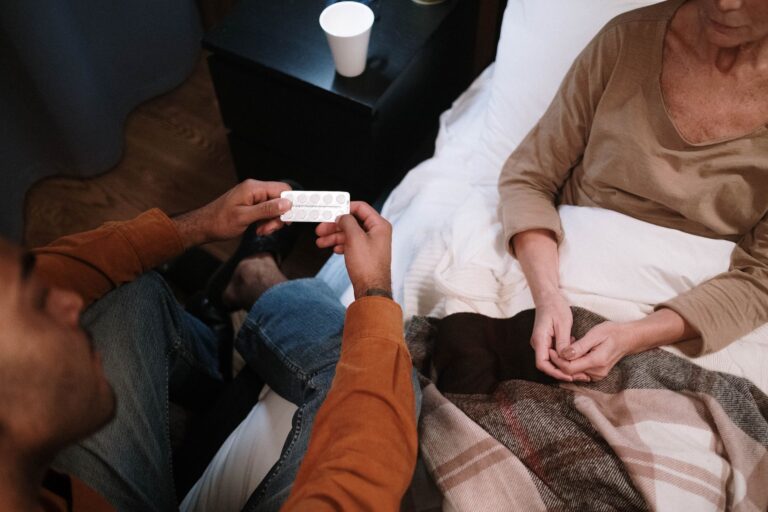
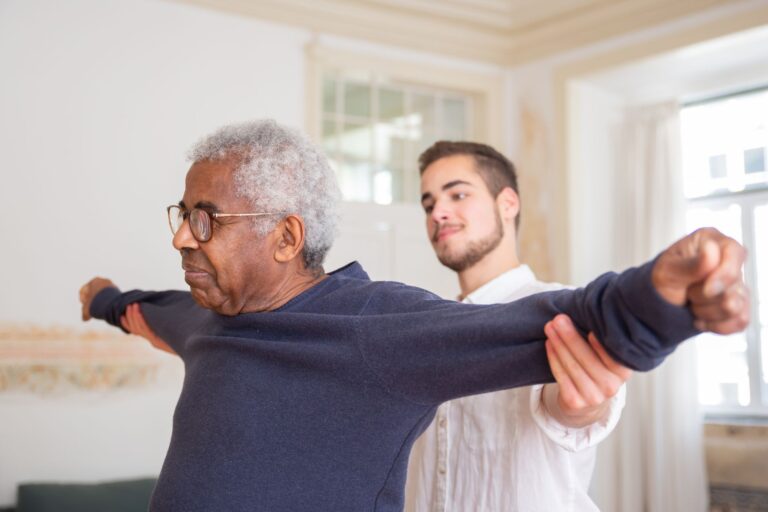
Stay calm, avoid correction, and meet the person where they are when recognition fails. Say your name and relationship in a gentle voice, keep the visit short and reassuring, and act as a familiar helper rather than demanding recognition. Middle-stage dementia is the period when memory loss, confusion, and need for daily supervision increase. Trouble recognizing spouses, children, or siblings commonly emerges then, according to the Alzheimer's Association in its middle-stage caregiving guide.
Medical information disclaimer: This article is for general educational purposes only and does not provide medical advice, diagnosis, or treatment. Always consult a physician or other qualified health professional about symptoms, medications, tests, or treatment decisions.
Table of Contents
- Why a loved one looks but does not know you
- What to do when you are misidentified
- How to make visits easier to follow
- When loss of recognition needs medical attention
Why a loved one looks but does not know you
Dementia damages memory and the brain's ability to interpret what the eyes see. A person can look directly at a spouse, child, or sibling and still fail to recognize them, as described by ChristianaCare clinicians. This is a symptom, not rejection or lack of effort.
The face may seem unfamiliar, the name may not connect, or you may be mistaken for another person from the past. Recognition can vary by day, time, fatigue, or setting. Inconsistency does not mean the person is pretending or that the last approach caused the lapse.
What to do when you are misidentified
Pause, breathe, and keep your face and voice relaxed. Yale Medicine advises caregivers who are misidentified to stay calm, avoid correcting, quizzing, or reminding about memory lapses, and enter the person's reality in its guidance on dementia care.
If called by the wrong name, answer to that name when it keeps the person at ease. Arguing for the correct fact often raises fear without restoring recognition. The Alzheimer's Association also advises never criticizing, correcting, or arguing about such errors.
- Do not correct the wrong name or test memory.
- Listen for the feeling behind the words.
- Repeat back what was said in a calm tone.
- Let the disagreement go and continue with care.
How to make visits easier to follow
Approach from the front, make eye contact, and identify yourself right away. The National Institute on Aging recommends calling the person by name, stating who you are, and watching tone, volume, facial expression, and body language in its advice on changes in communication.
Because voice recognition can outlast visual recognition for some people, announce yourself from outside the room. Introduce name plus relationship in an ordinary, gentle way, as ChristianaCare suggests, such as "Hi Mom, it's Anna, your daughter." Keep interactions short, reassuring, and consistent. Use the same greeting, same seating place, and same simple routine, and offer one familiar activity such as looking at photos, listening to music, or taking a short walk.
When loss of recognition needs medical attention
Gradual change fits dementia, but sudden change does not. A sharp worsening over hours or days, with new confusion or inattention, is usually delirium from infection, dehydration, medication change, pain, or metabolic problems, according to UCI MIND in its page on delirium and dementia. Treat repeated non-recognition as a care issue to raise with the clinician.
Note when it happens, what helps, and how distressed both of you feel. Allow grief for the changed relationship and seek counseling, respite, or a caregiver support resource when distress recurs, as Yale Medicine recommends. If confusion suddenly worsens over hours or days, seek prompt medical evaluation rather than waiting to see if it passes.