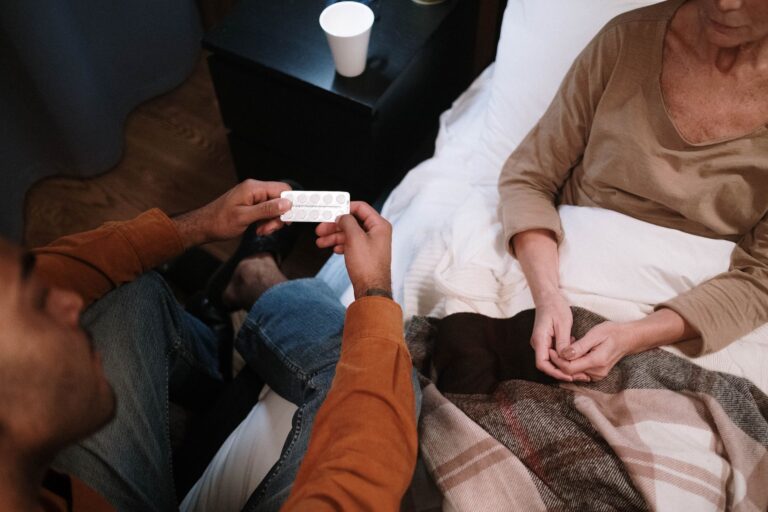
Caregiver mistakes with getting lost in middle-stage dementia care are leaving the person alone, trusting a door lock, and skipping ID and neighbor alerts. Other mistakes are missing hunger or pain cues, arguing during confusion, and delaying a 911 call.
Wandering means walking off and becoming confused, even in a familiar home or street. The Alzheimer Society of British Columbia notes in its wandering and disorientation resources that wandering peaks in middle or later stages, day or night. The National Council on Aging reports about 6 in 10 people with dementia will wander at least once.
Medical information disclaimer: This article is for general educational purposes only and does not provide medical advice, diagnosis, or treatment. Always consult a physician or other qualified health professional about symptoms, medications, tests, or treatment decisions.
Table of Contents
- Why Is Being Alone Unsafe Now?
- Why Does a Basic Lock Fail?
- What Safety Nets Get Skipped?
- Which Triggers Look Like Wandering?
- What Helps When Confusion Starts?
Why Is Being Alone Unsafe Now?
Middle stage brings more confusion, poor judgment, and restlessness. A person may leave to find home, follow an old routine, or chase a sound.
Alzheimer's Association guidance, summarized in a senior-care guide, says this stage generally needs 24-hour supervision to stay safe. Do not rely on check-ins by phone or brief visits. Build coverage with family shifts, a neighbor backup, and a paid aide if needed.
Why Does a Basic Lock Fail?
A standard lock is easy to open and easy to forget to set. MedlinePlus advises in its home-safety instructions to add alarms on all doors and windows.
It also suggests Stop signs on exit doors and keeping car keys out of sight. Test alarms at night and from another room. Place the Stop sign at eye level and store keys in a locked drawer.
What Safety Nets Get Skipped?
An ID is often missed until after a first incident. MedlinePlus advises an ID bracelet or necklace with name, address, phone, and caregiver contact.
It also advises telling neighbors about wandering and fencing hazards like stairs, decks, and pools. Keep a recent photo, clothing description, and medical list by the door. Give neighbors your phone number and ask them to call you at once if they see the person alone.
Which Triggers Look Like Wandering?
The Alzheimer Society of British Columbia lists hunger, thirst, pain, toilet needs, boredom, medication effects, noise, restlessness, and sundowning confusion as common triggers. Sundowning means late-day confusion that worsens as light fades.
Check these needs before assuming defiance or intent to leave. A quick body and room check often stops the urge.
- Offer food, water, and toilet access.
- Ease pain, check drugs, lower noise.
- Add daytime activity and calm evening light.
What Helps When Confusion Starts?
Arguing, correcting, or restraining often raises fear and flight. The National Institute on Aging recommends in its behavior guide keeping routines simple, reassuring safety, focusing on feelings, and distracting from upset.
The Alzheimer's Association, cited in the National Council on Aging wandering-risk guide, advises a short local search first. Search the immediate area for no more than 15 minutes, then call 911 and report dementia status. Share a recent photo, last-seen place, and medical needs with the dispatcher.