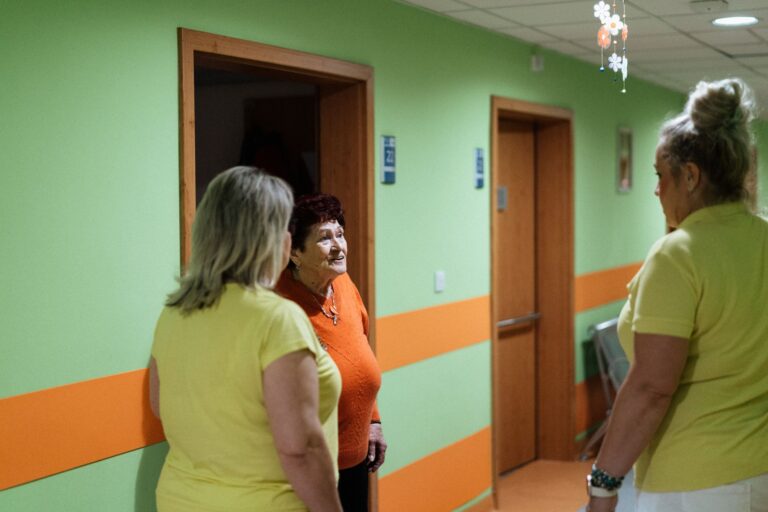
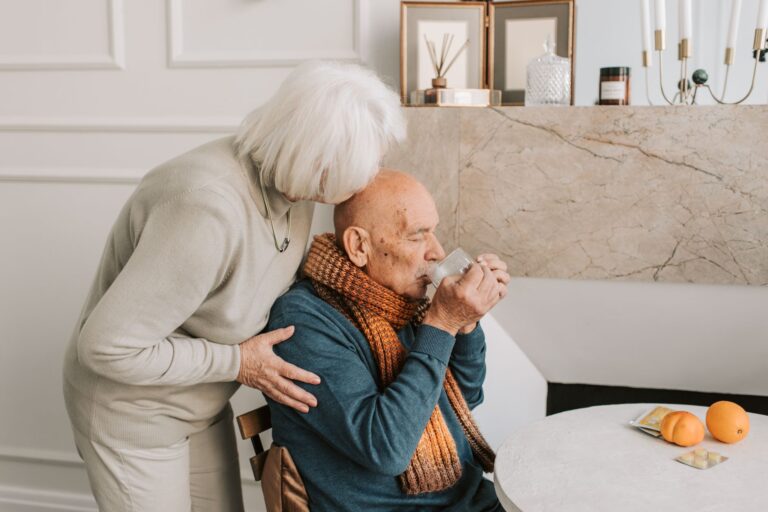
If a person with dementia feels lost at home, stay calm, reassure them you will help, and gently redirect them to a familiar activity. Make home safer with locked doors, alarms, a daily routine, and an ID plan for quick return. Wandering means leaving a safe place or feeling lost in a familiar place. According to the Alzheimer's Association, about 6 in 10 people with dementia will wander and become lost at least once, and up to half of those not found within 24 hours face serious injury or death, as explained in Alzheimer's Association wandering safety guidance.
Medical information disclaimer: This article is for general educational purposes only and does not provide medical advice, diagnosis, or treatment. Always consult a physician or other qualified health professional about symptoms, medications, tests, or treatment decisions.
Table of Contents
- Why does getting lost happen at home?
- What should you do in the moment?
- How can you make home safer?
- How do you prepare for a safe return?
Why does getting lost happen at home?
Dementia changes memory, direction sense, and judgment. A bedroom, hallway, or bathroom can feel strange at night or during stress. Common triggers include unmet needs such as hunger, thirst, pain, or needing the toilet.
Crowded rooms, noise, clutter, and confusing layouts can raise anxiety and spark an urge to leave or find home. Wandering can happen at any stage and often repeats. A structured day with exercise and meaningful activity lowers restlessness and agitation.
What should you do in the moment?
Stay calm and speak slowly. Do not argue, correct, or demand explanations when the person says they are lost or want to go home.
Say you will help, then offer comfort and redirection. According to the National Institute on Aging, redirection to a snack, familiar music, photos, folding laundry, or a short supervised walk can ease distress, as described in National Institute on Aging guidance on wandering.
- Check for toileting, hunger, thirst, pain, or fatigue.
- Move to a quiet, well-lit room.
- Offer one simple choice at a time.
- Stay with the person until calm returns.
How can you make home safer?
Keep exterior doors locked with a keyed deadbolt or added lock placed high or low, out of direct sight. Place STOP, DO NOT ENTER, or CLOSED signs on exit doors. Add door and window alarms, chimes, or a smart doorbell that sounds when opened.
Camouflage doors and knobs with matching paint or cloth covers, and keep car keys out of sight. Plan activity during the person's peak wandering time. Keep meals, sleep, exercise, and rest on a steady schedule, and avoid crowded or confusing spaces.
How do you prepare for a safe return?
Have the person wear an ID bracelet or necklace with name, address, phone, and caregiver contact. Label clothes with name and contact details. Enroll in MedicAlert plus Alzheimer's Association Safe Return at 800-432-5378.
Keep a recent close-up photo or video handy for helpers and responders. Locks, signs, alarms, and routines lower risk but cannot guarantee the person will not wander. Tell neighbors and caregivers about the risk, fence off stairs, decks, pools, and hot tubs, and do not leave a person with advanced dementia alone at home.