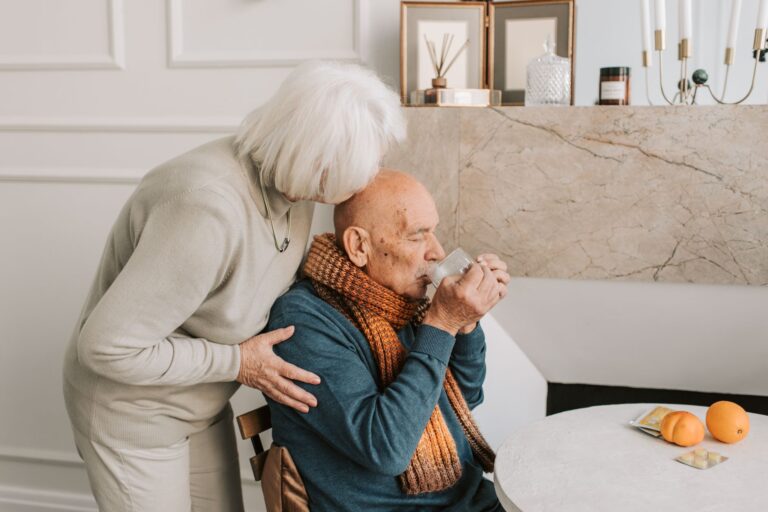
Offer one brief familiar prayer once a day at the same time each day or each visit. Early-stage dementia means memory and thinking have begun to slip, but the person can still join in familiar words and routines. A fixed time makes prayer part of the day, not a decision to revisit. The Grey Nuns of the Sacred Heart advise caregivers to recite a prayer such as the Lord's Prayer or Our Father together at that set time Grey Nuns guidance on praying during memory loss.
Medical information disclaimer: This article is for general educational purposes only and does not provide medical advice, diagnosis, or treatment. Always consult a physician or other qualified health professional about symptoms, medications, tests, or treatment decisions.
Table of Contents
- Why keep it to once daily?
- What time of day works best?
- How does prayer fit the care plan?
- What should caregivers save now?
Why keep it to once daily?
One short prayer protects attention and energy. A brief daily touchpoint fits early-stage ability without turning faith into a test. The same Grey Nuns guidance counsels one brief familiar prayer daily, with an invitation to join by word, gesture, or posture.
If the person looks tired or distressed, stop the words and switch to quiet presence. Keep the prayer the person already knows best. Familiar phrasing carries the moment when recall for new material falters.
What time of day works best?
Morning works well for many families because alertness is often higher. A study of cognitively impaired Jewish elders used familiar morning prayers for about 10 to 15 minutes each morning in adult day centers, according to a summary in the Journal of Neuroscience Nursing.
Pick a slot tied to an existing habit, such as after breakfast, before an afternoon rest, or at bedtime. Use that slot every day so the rhythm itself cues participation.
- Attach prayer to breakfast, a walk, or lights-out
- Keep it to a few minutes plus quiet time
- Use the same words, same place, same voice tone
How does prayer fit the care plan?
The Alzheimer's Association lists spiritual activity such as prayer or singing a hymn as a daily-plan category, with a morning, afternoon, and evening example for early-to-middle stages Alzheimer's Association daily care plan. That category can hold one fixed prayer plus wider practices across the week. The U.S.
Department of Veterans Affairs caregiver guide reproduces that sample plan, which includes singing hymns, attending worship, and church spiritual activities. Occupational therapist Theresa Klein, quoted by Wabash College, reports that weekly Mass ritual calmed her grandfather with dementia. She notes early-stage patients can often participate fully, while later participation may mean singing, bells, tapping, or clapping.
What should caregivers save now?
Record favorite prayers, hymns, and rituals while the person can still choose them. Memory-care provider North Woods Village advises families to save those preferences during early-stage dementia for later use North Woods Village spirituality tips. Write down exact words, tune names, prayer books, and small habits like holding hands or lighting a candle.
Store recordings on a phone so any caregiver or aide can use the same version. Caregivers gain support from shared practice too. The REACH dementia-caregiver study found frequent religious attendance was linked with fewer depressive symptoms during caregiving and less depression and complicated grief after bereavement. Stop or shorten the prayer any day it causes strain, and keep quiet company instead.