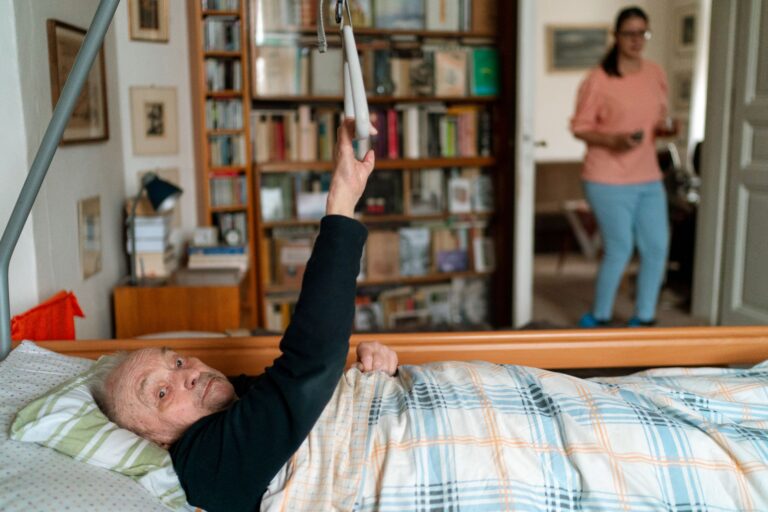
A person with dementia — declining memory and thinking — seeks home while at home for safety and belonging, not the address. Time confusion makes a childhood house feel more real than the present one. This moment is common and painful for both of you. It usually signals discomfort, fear, or an unmet need rather than defiance.
Medical information disclaimer: This article is for general educational purposes only and does not provide medical advice, diagnosis, or treatment. Always consult a physician or other qualified health professional about symptoms, medications, tests, or treatment decisions.
Table of Contents
- What does "home" really mean?
- Why does the present house feel unfamiliar?
- Why does it worsen in late afternoon?
- How can you respond calmly right now?
What does "home" really mean?
"Home" is rarely the current address. The Alzheimer Society of Canada says it often means safety, comfort, and belonging from an earlier time (help for wanting to go home). It can also mean a happy period, such as childhood or a long-ago house.
That is why the request can sound urgent. The person is not testing you. They are trying to return to a place where they felt calm and known.
Why does the present house feel unfamiliar?
According to Baptist Health South Florida, Alzheimer's often harms new memories first, as explained in why Alzheimer's patients lose new memories first. A house from 50 years ago can stay vivid while the home lived in for decades feels strange.
Damage to the hippocampus also breaks timelines and orientation. The Alzheimer Society of Canada links this to time-shifting into much earlier life. The person may then search for a childhood or former home.
Why does it worsen in late afternoon?
Restlessness often rises as daylight fades. The National Institute on Aging calls this sundowning and describes it in tips for coping with sundowning. It often brings agitation, irritability, or confusion in late afternoon and evening.
The same institute links distress to fatigue, hunger, thirst, pain, boredom, and broken sleep-wake cycles. A noisy room, dim light, or a long day without rest can tip the balance. That is why the same question may sound calm at noon and urgent at dusk.
How can you respond calmly right now?
Do not argue about the address. The UK NHS frames repeated questions and pacing as communication of feelings or unmet needs. Stay calm, acknowledge the feeling, and reassure safety. The Alzheimer Society of Canada suggests connection over correction.
Ask about their "home" and talk through happy memories together. Wanting to go home at home is also a warning sign for wandering. The Alzheimer's Association reports six in 10 people with dementia will wander at least once (wandering safety information). Track time of day, noise, hunger, and sleep to spot the next trigger early.
- acknowledge feelings and restate safety
- ask what home looks like and who is there
- offer food, music, or a short walk together
- track time of day and noise triggers