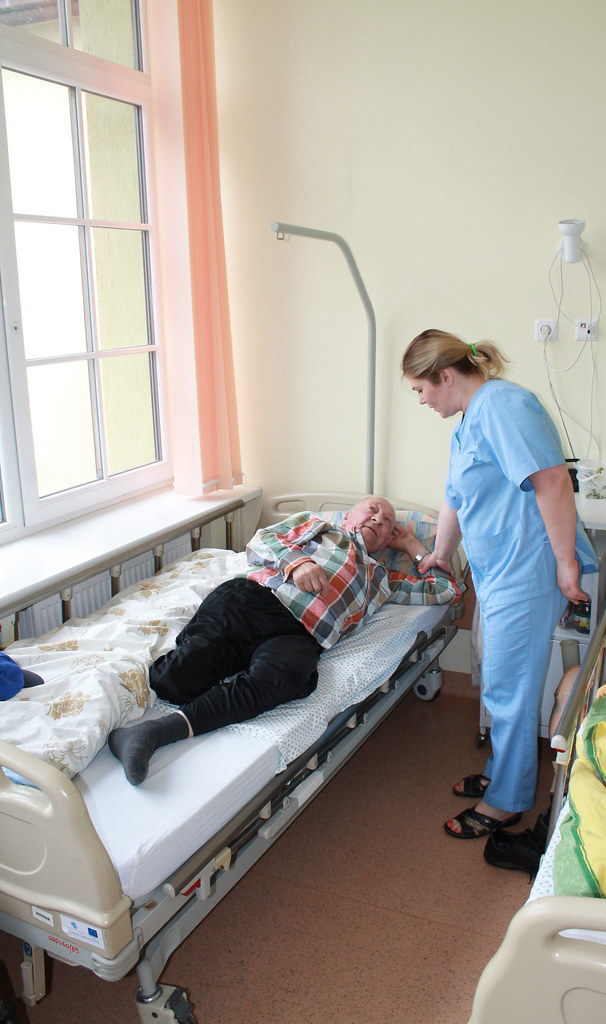
Caregivers spot the difference by watching daily function, not just forgetfulness. According to the Parkinson's Foundation, normal aging brings occasional lapses like misplacing keys, while Parkinson's-related decline interferes with daily tasks and progresses over months to years.
Parkinson's cognitive change is often executive dysfunction rather than pure memory loss. That means trouble with attention, multitasking, planning, and problem-solving. The Parkinson's Foundation describes slowed thinking, word-finding pauses, and visuospatial difficulty in its memory guide.
Medical information disclaimer: This article is for general educational purposes only and does not provide medical advice, diagnosis, or treatment. Always consult a physician or other qualified health professional about symptoms, medications, tests, or treatment decisions.
Table of Contents
- What does normal aging look like?
- Which everyday tasks reveal Parkinson's thinking changes?
- Is it mild impairment or dementia?
- When should caregivers act?
What does normal aging look like?
Normal aging typically means occasional forgetfulness without loss of independence. Examples include misplacing keys or taking longer to recall a name. The person still manages bills, meals, and appointments safely.
These lapses stay fairly stable and do not steadily worsen over months. A reminder or brief pause usually restores the memory. Daily routines remain intact.
Which everyday tasks reveal Parkinson's thinking changes?
Parkinson's decline often shows first in executive tasks, not simple forgetting. Watch for trouble following group conversations or losing place while reading. Cooking while talking may become disorganized or unsafe.
Track these practical warning signs over weeks: Note what changed, when it started, and which tasks now need help. Bring that dated log to clinic visits. Pattern over time matters more than one bad day.
- needs repeated help balancing a checkbook
- cannot follow multi-step instructions
- new disorientation to time or place
- poor judgment in familiar situations
Is it mild impairment or dementia?
Mild cognitive impairment in Parkinson's means measurable decline beyond age expectations without major loss of independence. The Parkinson's Foundation reports about 26% meet criteria at diagnosis in its dementia overview. Not everyone with mild impairment later develops dementia.
Dementia develops in about 50% within 10 years of motor onset and up to 83% at 20 years in the Sydney Multicenter Study. Early signs often involve attention, planning, and visuospatial skill, with memory relatively preserved unlike Alzheimer's. That profile helps clinicians separate it from age-related forgetfulness.
When should caregivers act?
Sudden or new confusion is uncommon as routine Parkinson's progression. The Parkinson's Foundation advises urgent evaluation for infection such as urinary tract infection, medication effects, or mood and sleep disorders in its care partners guide. Some causes are reversible. There is no reliable tool to predict who will develop thinking changes.
Caregiver observation plus clinician interview and testing guides diagnosis. Keep examples specific, dated, and tied to daily tasks. Regular aerobic exercise can improve concentration, processing, and overall cognition. Structured routines, decluttered space, low nighttime lighting, clear cues, and social and mental activity support memory and orientation.