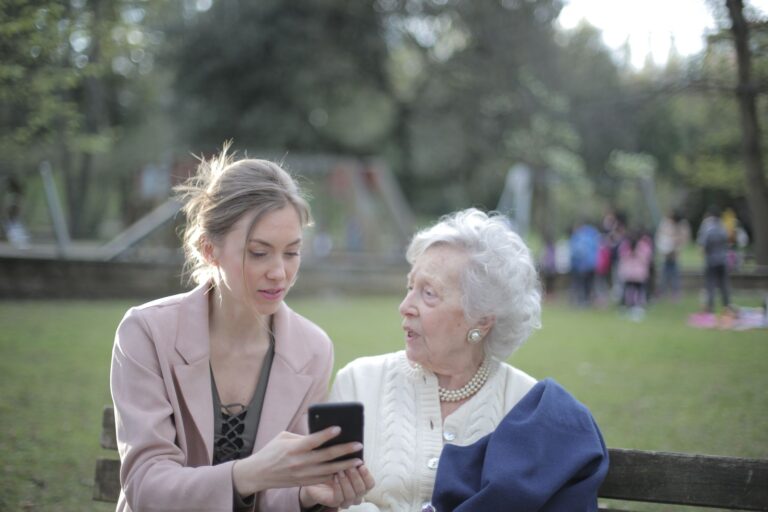
Short, luck-based dice games suit caregivers managing memory care fatigue best: Left Center Right and Bunco. Memory care fatigue means ongoing physical and mental exhaustion from caring for someone with memory loss, and these games need little setup, little strategy, and no sustained focus. More than 51 million U.S.
adults provided care to someone age 50 or older in 2025, continuing an upward trend since 2015, according to AARP and the National Alliance for Caregiving in the 2025 caregiving report. About one in four of those caregivers cares for someone with a memory issue or dementia, often at higher intensity. A short game cannot remove that load, but it can fit a needed break into the day.
Medical information disclaimer: This article is for general educational purposes only and does not provide medical advice, diagnosis, or treatment. Always consult a physician or other qualified health professional about symptoms, medications, tests, or treatment decisions.
Table of Contents
- Why low-effort play fits caregiving days
- Start with Left Center Right
- When does Bunco fit better?
- How to keep the game restful
Why low-effort play fits caregiving days
The Alzheimer's Association advises caregivers to protect their own health with respite breaks, sleep, exercise, medical checkups, and daily enjoyable activity, as described on its Stress Relief page. A dice game works as one small enjoyable activity, not as treatment. Keep the session brief and stop when either person tires.
VA dementia-care guidance says to build fun activities and exercise into the daily plan, favoring small social gatherings when the person is withdrawn. Large crowds can overwhelm, so a quiet table game with one or two others often fits better than a party. Choose a calm time of day and a familiar chair and table.
Start with Left Center Right
Left Center Right is the easiest entry. Each player starts with 3 chips and rolls one die per chip, up to 3 dice, according to dice-app.com in its How to Play LCR guide. Rollers pass a chip for L or R, place one in the pot for C, and keep chips on dots. The last player holding chips wins, usually in minutes.
That simple loop matters when attention is thin. No one must track rounds or keep score on paper. Players only watch the current roll, move chips, and hand over the dice. For memory-care fatigue, favor this kind of short luck-based game over score-heavy ones because category choices and written scoring add mental load, a point made by Fun Party Tips in its guide to dice games for senior citizens.
When does Bunco fit better?
Bunco is a pure-chance social game using 3 dice across 6 rounds while chasing the round number, according to dice-app.com in its dice-games overview. It is built for about 12 players to talk while playing and needs almost no strategy. That makes it better for a respite gathering than for one-on-one care time.
Use Bunco when family or friends visit and the caregiver needs company without hosting work. Conversation carries the game, and no one falls behind for slow play. Skip it when the household is already noisy or the person with dementia withdraws in groups. A smaller game is kinder on those days.
How to keep the game restful
Do not use Yahtzee-style scoring when energy is low. That format uses 5 dice with up to 3 rolls per turn and 13 one-time categories, with 50 points for five-of-a-kind.
Holding favored dice, choosing categories, and adding totals demand exactly the focus fatigue removes. Save it for a rested day with another adult, not for joint play during care hours.
- Pick one game for the whole session.
- Use large, high-contrast dice and a tray or cup.
- Sit where light, water, and bathroom access are easy.
- Set a clear end time, such as one LCR game or two Bunco rounds.
- Let anyone watch without rolling.