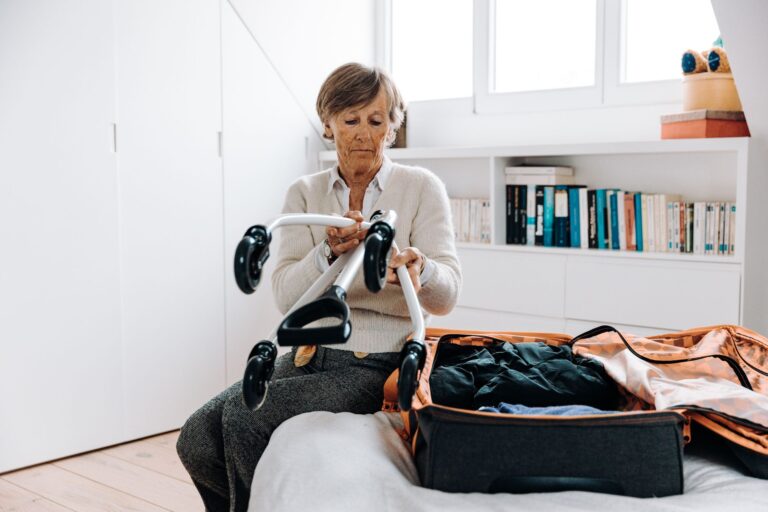
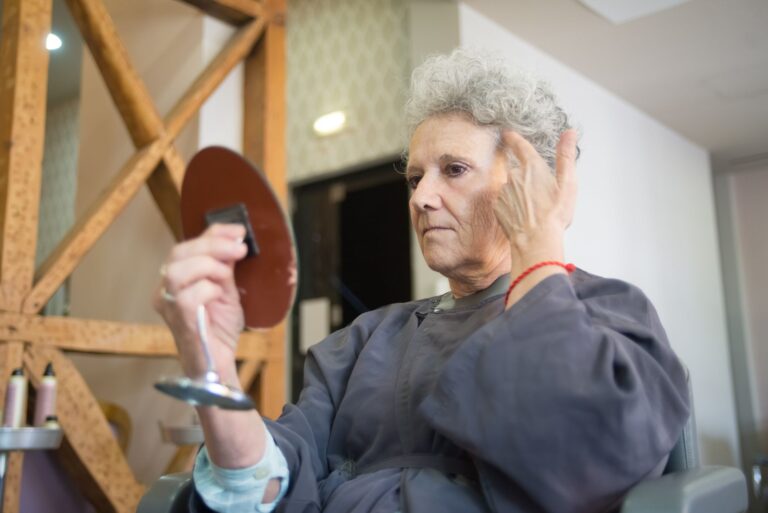
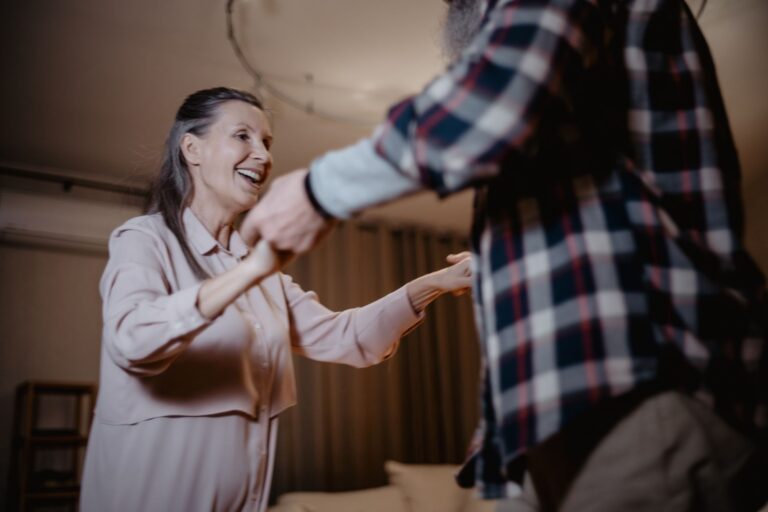
When dancing no longer appeals in late-stage dementia, switch to simple sensory pleasures like favorite music, familiar photos, and gentle touch. Late-stage dementia is the phase when a person takes in the world mainly through the senses. Movement can feel tiring or confusing now. You can still offer rhythm, comfort, and connection without steps or routines.
Medical information disclaimer: This article is for general educational purposes only and does not provide medical advice, diagnosis, or treatment. Always consult a physician or other qualified health professional about symptoms, medications, tests, or treatment decisions.
Table of Contents
- Why does interest in dancing change?
- What simple activities can replace dancing?
- How can you use music without movement?
- What benefits and limits should caregivers expect?
Why does interest in dancing change?
The Alzheimer's Association explains in its late-stage caregiving guidance that people in late-stage Alzheimer's respond more to touch, sound, sight, taste, and smell than to talk. Following a beat, remembering steps, and staying balanced ask for more focus than many people have left. The Victoria Department of Health notes similar change in its activities guide for dementia caregivers.
Complex hobbies often become too hard, while music and other sensory memories can still work. Refusal to dance is usually a signal to simplify, not a failure. Watch for fatigue, unsteady footing, noise sensitivity, or turning away. Those signs mean the activity is too demanding, too loud, or too long.
What simple activities can replace dancing?
Choose one sense at a time. Short, familiar, calm moments work better than busy programs. The Alzheimer's Association lists music, reading aloud, and photo viewing as helpful late-stage options in the same late-stage caregiving guidance.
Photos, keepsakes, music, and familiar scents can also spark pleasant older memories and ease distress. Stay close during the activity. Holding hands while listening or viewing photos can comfort even in later stages.
- Play a favorite song and listen together
- Read a loved passage aloud in a slow voice
- Look through old photos side by side
- Hold hands, brush hair, or offer a familiar scent
How can you use music without movement?
Start with music the person knew at a younger age. The National Institute on Aging recommends familiar songs, singing along, talking about the singer, and asking what life was like when the song was popular in its adapting activities guide. Keep the setting calm.
Play one song at a time at gentle volume, sit nearby, and tap or sway only if the person joins in. Even without dancing, response often shows in small ways. A person may tap a beat, hum, or sing childhood lyrics.
What benefits and limits should caregivers expect?
Cochrane finds in its 2025 systematic review summary that music-based therapy, compared with usual care, probably reduces depression and may reduce overall behavioral problems. Compared with other activities, it may improve social behavior. Those gains have clear limits.
Benefits may fade after sessions stop, and evidence for thinking skills and agitation remains uncertain. Treat each session as comfort for the moment. Turn off the TV, remove background noise, keep volume low, and stop when attention fades.