Offer dancing in late-stage dementia during the person's best time of day as a brief, seated sensory moment. Aim for a few minutes most days, not a long weekly workout, and stop at the first sign of fatigue or distress. Late-stage dementia means advanced memory and thinking loss with high physical frailty and limited speech. Connection happens mainly through the senses, through touch, sound, sight, taste and smell like favorite music and gentle movement, according to the Alzheimer's Association late-stage caregiving guide.
Medical information disclaimer: This article is for general educational purposes only and does not provide medical advice, diagnosis, or treatment. Always consult a physician or other qualified health professional about symptoms, medications, tests, or treatment decisions.
Table of Contents
- What does dancing mean at this stage?
- When in the day should you offer it?
- How often and for how long?
- How do you keep it safe?
What does dancing mean at this stage?
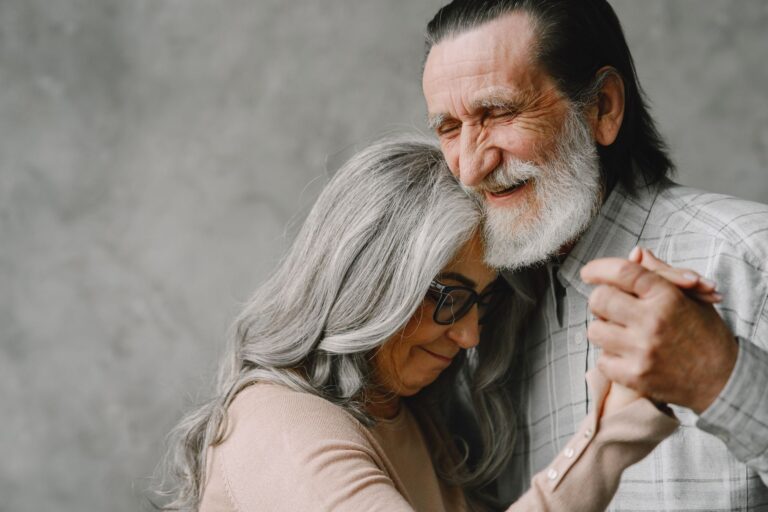
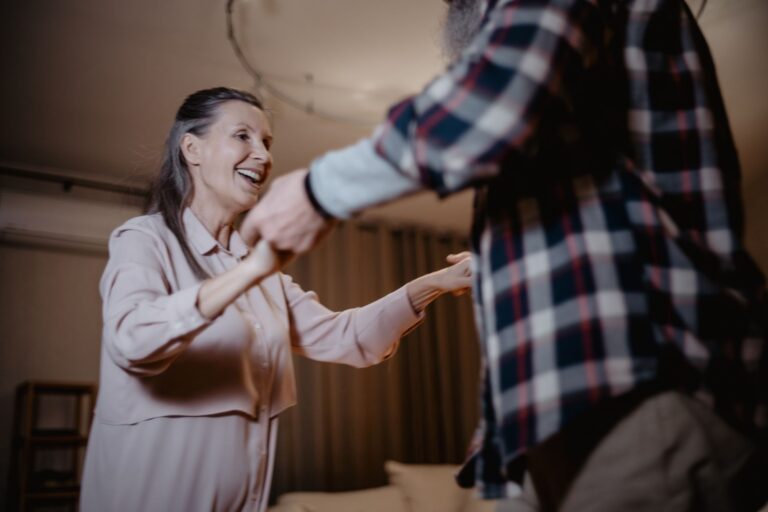
Forget steps or standing routines. Dancing here is rhythm together: swaying, tapping, clapping or moving hands to music. The Alzheimer's Association notes that even late in Alzheimer's a person may tap a beat or sing childhood lyrics, and it advises encouraging movement including clapping and dancing for enjoyment music and art guidance.
A practical form is seated one-to-one contact. Sit bedside, play soft preferred music, hold hands if welcome, and lightly tap rhythms or sway together, as described by the Alzheimer's Foundation of America comfort at all stages. Let the person lead the pace. Your job is to follow, echo and keep it calm.
When in the day should you offer it?
Pick the window when the person is most alert and settled. Mornings work for many people, but sundowning, hunger, pain or a noisy room can spoil any hour. Choose the calmer time you already trust.
Keep it routine. The National Institute on Aging advises planning enjoyable activities at a similar time each day and scheduling demanding activity for when the person functions best daily routine guidance. Offer dance after rest, toileting and comfort needs are met. Skip it when sick, in pain, very sleepy or recently upset.
How often and for how long?
At home, think short and frequent: a song or two, once daily or a few times per week. Very short sessions that match current ability work best, with no pressure to finish. Research schedules were much more intensive and supervised.
In an adult-day study, 1-hour adapted line-dancing classes twice weekly for 12 weeks eased agitation versus non-music activities, reported by the University of West Florida agitation findings. A University of Otago intuitive-movement program held 10 weekly dance sessions and found quality-of-life improvement after session six quality-of-life results. Expect slow response. Give about six gentle exposures before judging benefit, and keep home sessions far shorter than class schedules.
How do you keep it safe?
Match the body in front of you. Stay seated, support the trunk and feet, avoid pulling arms, and leave enough space for a wheelchair or bedside chair.
Use familiar, low-volume music and one clear cue at a time. Stop right away for these warning signs: The National Institute on Aging advises stopping at first signs of frustration, fatigue, agitation or distress rather than pushing to finish late-stage activity guidance. Treat late-stage dance evidence as limited, since pilots were very small and often enrolled healthier adults, so frail and bedbound people need extra caution and clinician input.
- frown, grimace, crying, pushing away or closed eyes
- stiffening, agitation, heavy breathing or sudden fatigue
- pain, dizziness, loss of balance or skin pulling at grip points