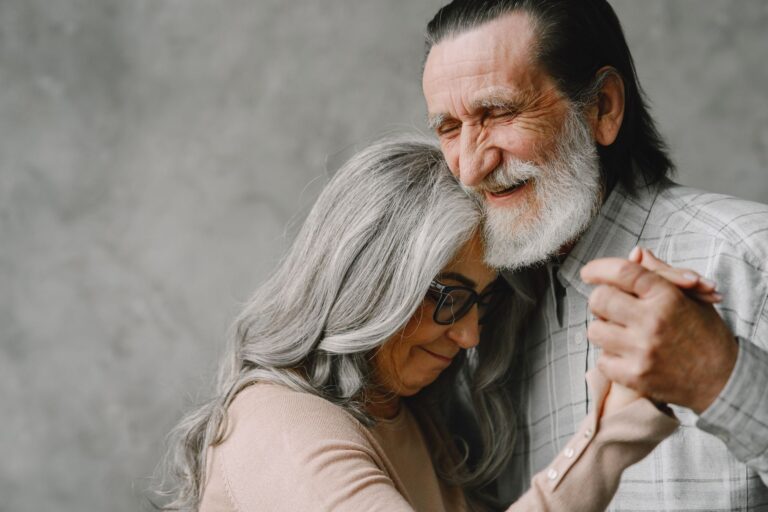
Simplify dancing to seated swaying, hand-tapping, clapping, or hand-holding with a partner to a short familiar song. Keep each activity to one repeated movement, with close support and no right or wrong way to join. Late-stage dementia means advanced memory and thinking loss, often with limited speech and mobility. Rhythm response often lasts longer, so a steady beat can still invite connection, movement, and calm.
Medical information disclaimer: This article is for general educational purposes only and does not provide medical advice, diagnosis, or treatment. Always consult a physician or other qualified health professional about symptoms, medications, tests, or treatment decisions.
Table of Contents
- What abilities can you build on?
- How do you simplify the activity?
- What does a late-stage dance look like?
- How do you keep it safe and steady?
What abilities can you build on?
Even in late-stage Alzheimer's, a person may still tap a beat or sing words to a childhood song, according to the Alzheimer's Association art and music guide. That response gives you a starting point when speech and steps are limited.
Watch for small signs of interest, such as foot tapping, finger movement, humming, or eye contact. Match that movement with your own swaying, hand-tapping, or gentle hand-holding to the same rhythm.
How do you simplify the activity?
Break the dance into one simple step, reduce noise and clutter, help the person start, and let watching count as joining. The National Institute on Aging advises this approach in its guide to adapting activities for Alzheimer's, with enjoyment as the main goal. Use a short routine you can repeat:.
- Choose one familiar song under three minutes.
- Offer one movement, such as sway side to side.
- Cue it with the beat: tap hands, then invite the person to copy.
- Stop while it is still pleasant and rest.
What does a late-stage dance look like?
The Alzheimer's Association encourages adding clapping or dancing to music time, while keeping middle- to late-stage art and music activities simple and failure-free. For late-stage care, that often means hand-dancing from a sturdy chair.
Try seated swaying, shoulder lifts, hand waves, scarf waving, or one repeated foot tap cued by rhythm. A pilot seated-dance plus reminiscence program for veterans with dementia in long-term care reduced apathy below the clinical cutoff and improved mood, engagement, and grip strength, according to MDPI Healthcare.
How do you keep it safe and steady?
Clear the floor, give enough room around a sturdy chair, and stay close enough to support balance and prevent falls. CDC's STEADI caregiver materials tell families to keep floors clutter-free and remove or secure small throw rugs in the STEADI caregiver fall-prevention brochure, plus review footwear, vision, and medications with a clinician.
Keep songs short, light levels good, and supervision close throughout. Most dance trials enrolled mild impairment or mild dementia rather than late-stage disease, so keep expectations on comfort and connection, then end with the final beat and a calm hand rest.