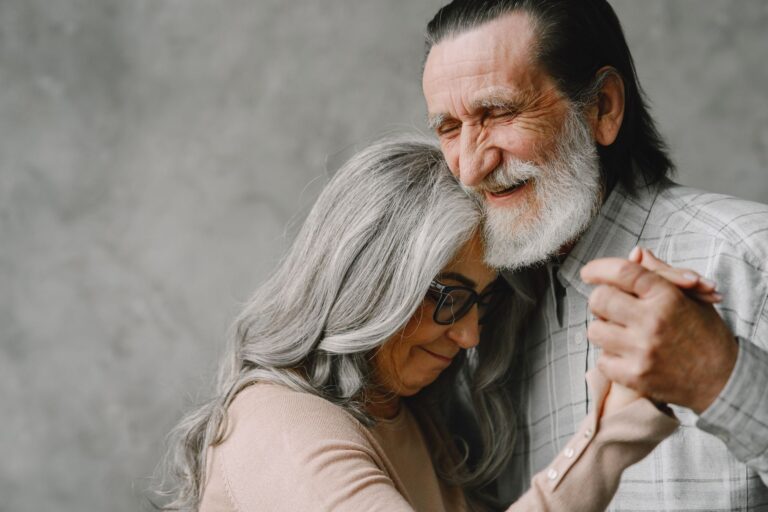
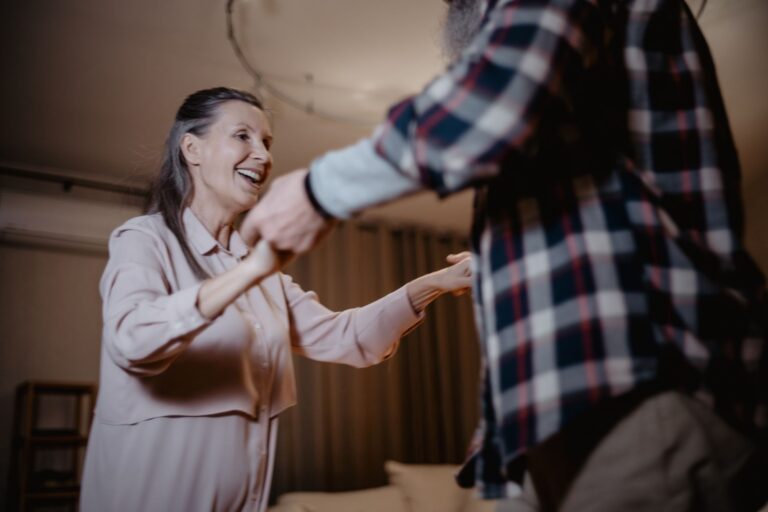
For late-stage dementia, dancing means seated, sensory movement to familiar music with a carer partner. Setup is a flat, clear space with chair support, non-slip shoes, water, and supervision.
Late-stage dementia means advanced memory, language, and mobility loss with need for full daily help. Here dance is comfort and connection, not exercise or memory recovery. Sessions stay short, simple, and led by the person's response.
Medical information disclaimer: This article is for general educational purposes only and does not provide medical advice, diagnosis, or treatment. Always consult a physician or other qualified health professional about symptoms, medications, tests, or treatment decisions.
Table of Contents
- What does dancing look like now?
- How do you set up the space?
- What supplies help most?
- How do you keep it safe and comfortable?
- Why try it at all?
- Frequently Asked Questions
What does dancing look like now?
Dancing now is small and sensory. Sight, hearing, and touch lead: playing music, offering objects to touch, and hand massage. Movement can be as little as a head nod, tapping, swaying, or copying a carer.
An Alzheimer's Society-funded project pairs personalized meaningful music with imitative movement. The person is encouraged to sing and move along with a carer partner, even in very small ways. Follow their energy and stop while it still feels pleasant.
How do you set up the space?
Choose flat, clutter-free, well-lit, non-slippery flooring with room to move a chair. Remove rugs, cords, and low obstacles, and keep a sturdy chair in reach. The person stays seated or stays close to support throughout.
Keep water nearby and keep supervision constant. According to the CDC STEADI caregiver brochure, these room checks lower fall risk during home activity, described in the caregiver home-safety checklist. Good lighting also helps the person see your face, hands, and cues.
What supplies help most?
Keep supplies few and familiar: Start with one or two favorite songs. Use slow tempos, clear rhythm, and low volume. Add touch between songs, such as holding hands, gentle shoulder sway, or hand massage.
- sturdy chair with armrests placed against a wall
- supportive non-slip shoes or non-slip socks
- water for before, during, and after
- familiar music playlist and simple speaker control
- soft object to hold, scarf to move, or lotion for hand massage
How do you keep it safe and comfortable?
Treat dance like balance-type exercise: use a sturdy chair or person nearby for support. According to the National Institute on Aging, older adults should drink water before, during, and after and stop for pain, dizziness, or breathing problems, explained in the Go4Life safety sheet. Watch for fatigue, flushed face, short breath, grimacing, or withdrawal.
Expect small effects. A randomized trial of dance and movement therapy in dementia found only small changes, with gain in visuospatial planning and no memory gain. That is why short seated sessions work best when framed around ease, music enjoyment, and time together.
Why try it at all?
Summaries prepared for aged care found dance activities decreased responsive behaviors such as agitation and improved motor learning, mobility, and fitness in people living with dementia, reported by Aged Care Research and Industry Innovation Australia in the dance-based interventions evidence theme. A nursing evidence review also found reduced agitation and noted movements were feasible and safe for participants with dementia.
For late-stage care, use those findings as background, not promise. Pick a calm time of day, keep the same routine, and end with rest, water, and quiet company.
Frequently Asked Questions
How long should a session last?
Keep it short, often one to three songs, and end before tiredness appears.
Should the person stand?
No. Seated movement with chair support is safer and still allows swaying, clapping, tapping, and singing along.