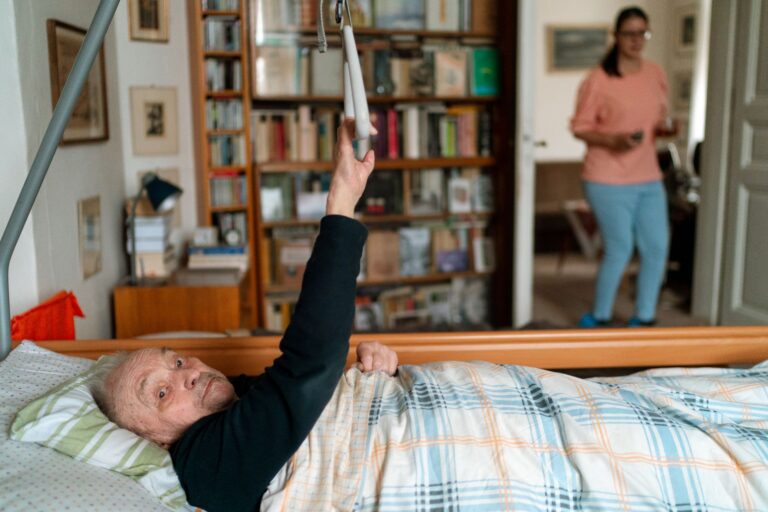
To find Guiding an Improved Dementia Experience (GUIDE) dementia respite near you, filter the CMS Where Innovation is Happening map to GUIDE. Check the downloadable participant list by state and ask your provider whether it participates.
According to the Centers for Medicare & Medicaid Services, GUIDE is an 8-year voluntary national model that started July 1, 2024 to support dementia patients living at home and reduce strain on unpaid caregivers, described on the GUIDE Model page. It serves community-dwelling people with clinician-confirmed dementia and their unpaid caregivers. Core supports include caregiver education, care coordination, 24/7 access to support, and temporary respite.
Medical information disclaimer: This article is for general educational purposes only and does not provide medical advice, diagnosis, or treatment. Always consult a physician or other qualified health professional about symptoms, medications, tests, or treatment decisions.
Official resources:
- Check eligibility on Mn’s official study page — Use this page to check the study’s participation requirements.
- Read the official guidance from CMS — Use this primary source to verify the official guidance.
Table of Contents
- Who qualifies for GUIDE respite?
- What respite looks like and what it costs
- How to find a participating program near you
- What to ask before you enroll
Who qualifies for GUIDE respite?
GUIDE serves people living at home with clinician-confirmed dementia, including those dually eligible for Medicare and Medicaid. The caregiver is an unpaid family member or friend who helps with daily care and decisions.
Minnesota Senior LinkAge Line, summarizing CMS rules, lists three coverage checks: If any check fails, GUIDE respite is not available. Original Medicare status matters most, because participation is tied to that payment path.
- the person has dementia and Medicare as primary payer with Parts A and B
- the person is not in a Medicare Advantage plan or PACE
- the person is not in the hospice benefit or a long-term nursing home stay
What respite looks like and what it costs
Respite gives the unpaid caregiver a short break while someone else provides safe supervision and care. According to CMS payment summaries, GUIDE respite can occur in the patient's home, at an adult day center, or as a 24-hour facility stay. Every participant must offer in-home respite, while day-center and facility stays are optional. For performance year July 1, 2026 through June 30, 2027, CMS caps GUIDE-paid respite at $2,625 per eligible patient per year, according to CMS in the July 2026 GUIDE fact sheet.
The amount reflects inflation growth from the $2,500 base. Respite beyond the cap is not covered. The same CMS fact sheet states that CMS waives coinsurance and deductibles for GUIDE care-management and respite, pays 100 percent of the allowed amount, and bars participants from billing aligned patients for the difference. Families still need a plan for care needs above the yearly cap.
How to find a participating program near you
Start with the national CMS tools, then confirm locally. According to CMS in the GUIDE FAQs, use the Where Innovation is Happening map filtered to GUIDE plus the downloadable Participant List spreadsheet showing states each participant serves.
Medicare.gov adds the key practical step on its cognitive assessment coverage page: ask your own provider whether it participates in the GUIDE pilot. Respite is available only when the patient's dementia-care program participates and only in Original Medicare.
- Filter the map to GUIDE and zoom to your state.
- Open the Participant List and find programs serving your state.
- Write down program names, cities, and contact details.
- Call and ask if they accept new GUIDE patients at your address.
- Ask whether they offer in-home, day-center, overnight, or all three options.
What to ask before you enroll
Confirm eligibility, setting, and scheduling in one call. Ask whether the program has confirmed dementia diagnosis, Original Medicare with Parts A and B, and no hospice, PACE, Medicare Advantage, or long-term nursing home stay. Ask how they document eligibility and when GUIDE services would start. Ask practical care questions next.
Which respite settings are open now, what hours do they cover, who staffs them, and how far ahead must you book. Ask how the program tracks the yearly cap and what happens when approved respite nears $2,625. Also ask about caregiver supports tied to respite. Programs provide education, coordination, and 24/7 access to support alongside temporary relief. Choose a program that can explain after-hours contact, care-plan updates, and backup if a scheduled worker cancels.