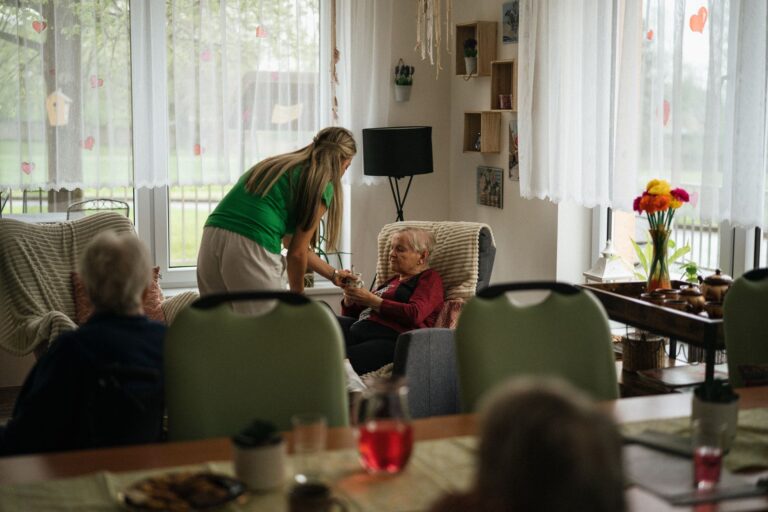
Medicare's Guiding an Improved Dementia Experience (GUIDE) Model bundles caregiver training into required dementia support. Standard Medicare covers training only as optional sessions tied to a patient's treatment plan.
GUIDE wraps training with navigation, round-the-clock access and respite. Standard coverage pays for coaching without that package. Your choice turns on eligibility, access and need for ongoing help.
Medical information disclaimer: This article is for general educational purposes only and does not provide medical advice, diagnosis, or treatment. Always consult a physician or other qualified health professional about symptoms, medications, tests, or treatment decisions.
Official resources:
- Read the official guidance from CMS — Use this primary source to verify the official guidance.
- Read the official guidance from CMS — Use this primary source to verify the official guidance.
Table of Contents
- What does GUIDE training include?
- What does standard Medicare cover?
- Who can use each option?
- Which path fits your situation?
What does GUIDE training include?
The Centers for Medicare & Medicaid Services describes a structured caregiver program in its GUIDE FAQs. It includes skills training, information about the dementia diagnosis, support-group services and ad hoc one-on-one calls. The mix covers daily care skills plus backup for new problems.
That training sits inside a larger care package. The Centers for Medicare & Medicaid Services pairs each patient and unpaid caregiver with a team, assessment, personal care plan, navigator and 24/7 support line. The same agency states in its GUIDE FAQs that GUIDE also pays up to $2,500 per year for respite, with no caregiver cost-sharing.
What does standard Medicare cover?
Standard Caregiver Training Services run under Part B only when training fits the patient's treatment or therapy plan. The American Speech-Language-Hearing Association explains in its 2024 Medicare final-rule summary that the treating clinician must make that fit finding, and sessions bill to the patient's Part B.
The American Association of Professional Coders notes sessions can occur one-on-one or in a group, with or without the patient present. Training still needs documented consent from the patient or a representative. A daughter learning safe transfers, a spouse practicing calm responses to sundowning and a son joining a group class all fit this visit-based model.
Who can use each option?
GUIDE has narrow entry rules. UCLA Health's summary of CMS rules lists clinician-confirmed dementia, Original Medicare Parts A and B and Medicare as primary payer. It excludes Medicare Advantage, PACE and hospice enrollees in its CMS GUIDE summary.
Respite adds one more filter. It requires moderate-to-severe dementia and an unpaid caregiver. Check your situation against this list:.
- confirmed dementia diagnosis from a clinician
- Original Medicare Parts A and B as primary coverage
- no enrollment in Medicare Advantage, PACE or hospice
- unpaid caregiver available for GUIDE and respite help
Which path fits your situation?
GUIDE makes education, navigation, 24/7 access and respite a mandatory bundle from participating dementia programs. Standard coverage offers only optional, visit-billed coaching. The Centers for Medicare & Medicaid Services explains on its GUIDE model page that GUIDE benefits come only through participating GUIDE programs.
Ask the current clinic whether it takes part in GUIDE and what caregiver supports it already bills under Part B. If GUIDE fits, ask for the navigator, care plan and training schedule at the first visit. If it does not fit, bring two daily tasks where coaching would help and ask for Part B training tied to the treatment plan.