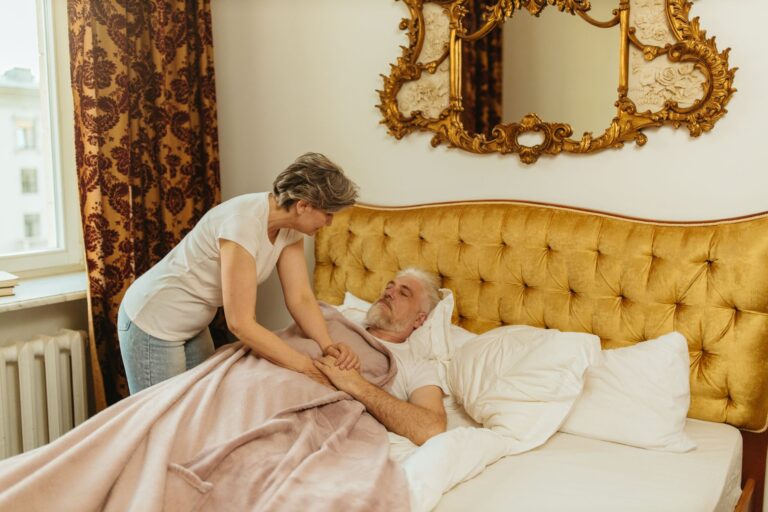
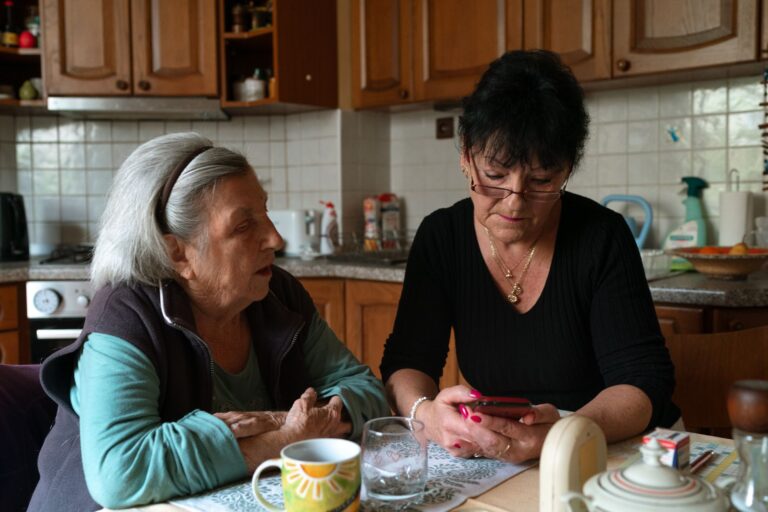
Common mistakes are confronting the person, leaving departure cues visible, trusting one simple lock, leaving time unstructured, and having no return plan. Exit-seeking means trying to leave home to carry out an old routine, find a familiar place, or meet a basic need.
These attempts are usually goal-directed, not aimless wandering. Old memories, unfamiliar surroundings, distress, hunger, toileting needs, or boredom can drive them. Recognizing the goal helps caregivers respond with calm redirection instead of force.
Medical information disclaimer: This article is for general educational purposes only and does not provide medical advice, diagnosis, or treatment. Always consult a physician or other qualified health professional about symptoms, medications, tests, or treatment decisions.
Table of Contents
- Why does your loved one try to leave?
- What should you avoid in the moment?
- What home changes reduce attempts?
- How do you fill high-risk times?
- How do you prepare for a fast, safe return?
Why does your loved one try to leave?
Many caregivers assume confusion alone causes the behavior. UCLA Health explains that exit-seeking often reflects old memories, failure to recognize current surroundings, distress, or unmet needs such as hunger, toileting, or boredom, described in its UCLA caregiver training on wandering. That purpose matters because each reason points to a different fix.
A person may be trying to go to work, pick up children, or use the bathroom. Another may feel restless, hungry, thirsty, in pain, or under-stimulated. Watch what happens before the attempt, including time, place, words, and body signals. Meeting the likely need early can prevent the next attempt.
What should you avoid in the moment?
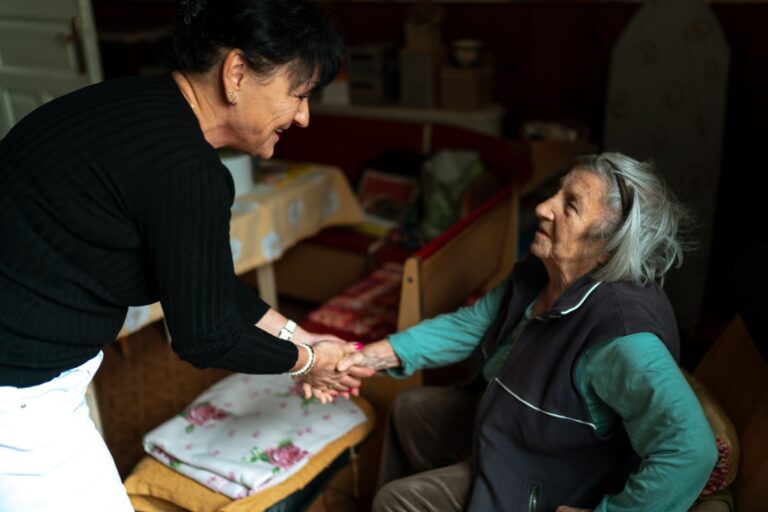
Grabbing the arm and pleading to stop in a distressed tone is common and counterproductive. It raises fear and resistance without addressing the goal. A calm approach keeps the person safer and more willing to accept help.
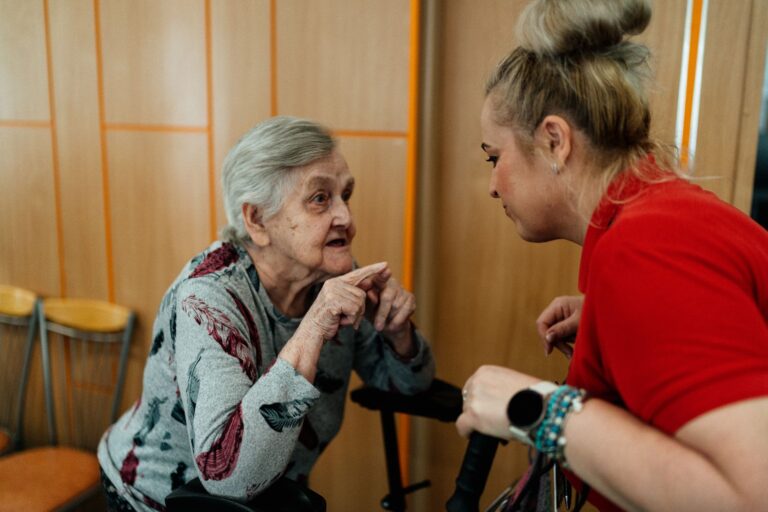
Approach from the front, match eye level, speak slowly, and validate the feeling. Then redirect toward a shared activity such as a snack, walk, folding towels, music, or looking at photos. Stay with the person until the urge passes.
What home changes reduce attempts?
Leaving departure cues in view invites attempts. The National Institute on Aging advises keeping shoes, keys, suitcases, coats, and hats out of sight, detailed in its NIA guidance on coping with wandering. Put bags in a closet and hang keys inside a cabinet.
A single eye-level lock is not enough. Add keyed deadbolts or high and low locks, loosely fitting doorknob covers, STOP or DO NOT ENTER signs, and door chimes or a smart doorbell. Test every device so trusted caregivers can still enter quickly.
- move shoes, keys, coats, and bags out of sight
- add high or low locks, doorknob covers, and signs
- add chimes or alerts on exit doors
How do you fill high-risk times?
Lack of structure increases risk. Keep wake, meal, rest, and bedtimes consistent across days. Schedule purposeful activity and exercise during times when attempts cluster, such as late afternoon.
Provide safe pacing space rather than only forbidding walking. Clear a loop through rooms, keep lighting even, reduce noise, and offer water, food, and toilet breaks on schedule. Boredom and excess energy often fade when the body and mind stay engaged.
How do you prepare for a fast, safe return?
Do not wait until someone is missing to make a plan. Keep a recent photo accessible, tell neighbors and local police about wandering risk, and enroll in a safe-return program such as MedicAlert plus Alzheimer's Association Safe and Found. Keep the person's name, medicines, and emergency numbers by the phone.
If the person cannot be found, search the immediate area at once. The National Council on Aging summarizes Alzheimer's Association guidance to call 911 within 15 minutes if the search fails and report dementia, in its NCOA summary of Alzheimer's Association guidance. Locked doors and doorknob covers can block emergency exit, so use them only with supervision and a nearby key, and never lock a person who wanders home alone.