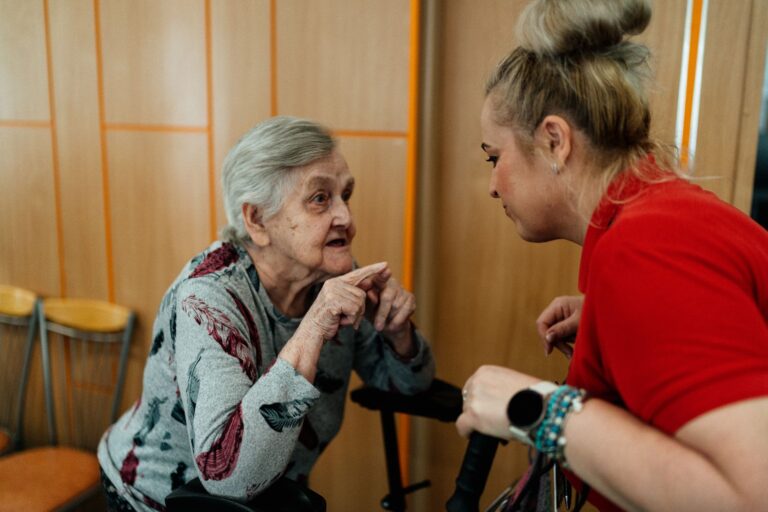
The riskiest mistakes are treating exit-seeking as a one-time event, arguing or restraining, and leaving doors and ID unplanned. Here exit-seeking means trying to leave home to reach a familiar place, person, or routine, and fixing these gaps lowers harm.
About 6 in 10 people living with dementia will wander at least once, according to the Alzheimer's Association in its emergency preparation guidance. Many do so repeatedly. Treat any attempt in middle-stage care as a warning to change supervision, home safety, and response plans now.
Medical information disclaimer: This article is for general educational purposes only and does not provide medical advice, diagnosis, or treatment. Always consult a physician or other qualified health professional about symptoms, medications, tests, or treatment decisions.
Table of Contents
- Why does one attempt mean act now?
- What makes the house ready for unnoticed exit?
- What responses increase agitation?
- What helps in the moment and after?
- Frequently Asked Questions
Why does one attempt mean act now?
Middle-stage dementia often brings stronger restlessness, confusion about place, and drive to go home, work, or check on family. One opened door or short walk can turn into a pattern within days. Waiting for a second event wastes the best time to add locks, alarms, routine, and backup. Delay also raises harm fast.
The Alzheimer's Association warns that when a wandering person is not found within 24 hours, up to half face serious injury or death. Start searching at once in the nearby area, including lesser-used rooms, closets, garages, yards, and paths. A calm plan beats a last-minute search. Note usual times, triggers, favorite places, and walking direction. Share that list with family, neighbors, and police before the next attempt.
What makes the house ready for unnoticed exit?
Leaving a person with advanced dementia alone at home is unsafe, MedlinePlus explains, because wandering joins poor hazard judgment around stoves, cleaning products, medicines, and pools in its home safety instructions. Harm can happen before anyone steps outside. Arrange supervision, check hunger, thirst, pain, toilet needs, and sleep, and keep days active with meals, movement, and rest at steady times. Unsecured exits invite quiet leaving. MedlinePlus points to alarms on every door and window, high and low locks, STOP signs on outside doors, fenced yards, and hidden keys, coats, and shoes.
Put alarms where you will hear them at night. Test locks for fire safety and easy use by caregivers. Small cues matter more than reminders to stay inside. Keep familiar objects, photos, and light in main rooms. Reduce noise, clutter, and dark halls that raise urge to pace or search for another place.
What responses increase agitation?
Arguing, correcting, scolding, or trying to convince the person they are already home raises insistence and distress, according to the UCSF Memory and Aging Center in its behavior guidance. Logic about date, place, or safety rarely lands during exit-seeking. The person may push harder, raise their voice, or try another door.
Physical restraint usually makes behavior worse unless danger is immediate. Holding, blocking, or pulling can spark fear, falls, or forceful escape. It also misses the feeling behind the act, such as worry, boredom, pain, or need to use the bathroom.
- Do not debate where home is or why leaving is unsafe.
- Do not scold, threaten, lock the person in a room, or hold them still.
- Do not leave them to calm down alone near an unlocked exit.
What helps in the moment and after?
Meet the feeling, then redirect with a clear next step. Say you will help, ask what they need, and name what you see. Offer a drink, snack, walk together, music, folding towels, sorting cards, or a look at photos. For pacing, allow safe movement with company.
Talk about concrete things nearby, like chairs, windows, food, or weather. Ask another familiar person to join, sit, and continue the activity while you secure doors and watch for fatigue. Prepare for faster return before the next urge. MedlinePlus and Alzheimer's Association guidance advise worn ID with name and caregiver contact, a recent photo within reach, alerts to neighbors and police, plus GPS and MedicAlert plus Alzheimer's Association Safe Return. No lock, sign, or schedule removes all risk, so pair tools with supervision, needs checks, routine, and exercise.
Frequently Asked Questions
My parent only tried the door once. Should I change anything?
Yes. Repeat attempts are common, so add supervision, alarms, locks, daily routine, and ID now.
What should I say when she says she must go home?
Reassure her, reflect the feeling, and offer a next step together, like tea, a walk inside, or looking at photos.
Are door alarms and STOP signs enough?
No. They help, but they work best with supervision, basic-needs checks, exercise, and a return plan with neighbors and police.