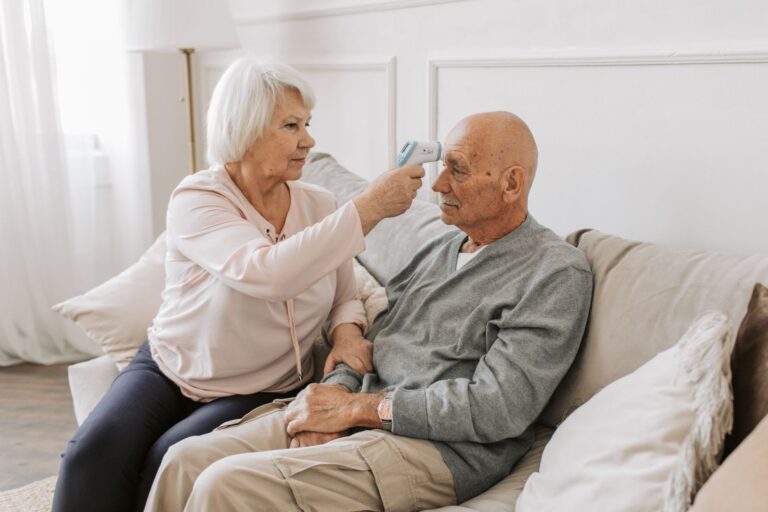
Common barriers to routine primary care for dementia prevention in midlife are short visits, low clinician confidence in cognitive assessment, competing urgent health problems, and lack of regular primary care. Stigma and waiting for symptoms to appear further delay action and shorten the prevention window. Dementia prevention in midlife means controlling changeable risks such as hypertension, obesity, diabetes, hearing loss, smoking and inactivity before older age. UCL News reports that addressing 14 modifiable risks across life could prevent or delay nearly half of dementia cases, which makes midlife blood-pressure, metabolic, hearing and lifestyle care central summary of the 14 risk factors.
Medical information disclaimer: This article is for general educational purposes only and does not provide medical advice, diagnosis, or treatment. Always consult a physician or other qualified health professional about symptoms, medications, tests, or treatment decisions.
Table of Contents
- Why do urgent problems crowd out prevention?
- Why do many doctors hesitate to assess thinking and memory?
- Why do many adults miss midlife risk-factor care?
- What can you ask at your next primary-care visit?
Why do urgent problems crowd out prevention?
A routine visit must cover blood pressure, weight, diabetes, mood, smoking, medications and new complaints. Prevention loses when an acute illness, pain flare, refill backlog or mental-health crisis needs attention first. A scoping review of practitioners found competing immediate complaints crowd out prevention. About 25% of U.S.
primary-care physicians in a 2008 survey named more urgent health issues as the top barrier to discussing dementia prevention. A U.S. survey of 150 primary-care physicians and 50 neurologists points to the same time pressure, according to BMC Health Services Research, alongside low reimbursement, difficult specialist access and communication, and lack of team resources study on system barriers to dementia care. The result is less room for hearing checks, exercise counseling and long-term brain-risk planning.
Why do many doctors hesitate to assess thinking and memory?
Many physicians value cognitive assessment but do not perform it routinely. Medical Economics reports that in an Alzheimer's Association survey, 96% of primary-care physicians called assessment of patients 60 and older important but only 48% routinely did it report on primary-care cognitive assessment. In that survey, 72% struggled to distinguish impairment from normal aging and 47% lacked assessment expertise, plus time and tests.
That uncertainty matters in midlife because early hypertension, diabetes, depression, hearing loss and smoking effects are easier to treat than later impairment. Brain care then stays reactive. It often starts only after a patient or family raises concern, while stigma and reluctance to report symptoms delay diagnosis. Bring a short symptom list, medication list and hearing concerns so the visit does not depend on memory alone.
Why do many adults miss midlife risk-factor care?
Prevention requires a usual doctor, regular visits and follow-up labs. Adults without insurance or a primary-care source often enter midlife without that loop. KFF reports that 46.2% of uninsured adults ages 18-64 saw no doctor in the prior year, compared with 14.7% with private coverage, and 40.8% had no regular care site key facts about the uninsured population.
Without visits, blood pressure, cholesterol, blood sugar, weight, smoking, alcohol use, depression and hearing loss go unmeasured. Harvard Medical School reporting on a JAMA Internal Medicine study found the share of U.S. adults with an identified primary-care source fell from 77% in 2002 to 75% in 2015, with declines concentrated among adults 30-60. Fewer routine midlife contacts means fewer chances to manage blood pressure, diabetes, smoking and depression year after year.
What can you ask at your next primary-care visit?
Use the visit for risk control, not only for the urgent issue. Name brain health as one reason for the visit when you schedule it.
Most cited clinician surveys measure self-reported confidence and assessment of patients 60 and older, not observed midlife prevention counseling. The World Health Organization's second-edition risk-reduction guidance therefore targets integrating dementia risk reduction into routine primary-care policies and services. If your clinic lacks time or follow-up, ask for a nurse visit, pharmacist review, hearing referral or community program that can track one risk at a time.
- Bring recent blood-pressure readings, weight change, blood-sugar or cholesterol results, smoking history and sleep concerns.
- Ask whether hearing, mood, exercise, diet and alcohol use should be checked or treated.
- Ask what target to reach, what change comes first, and when to recheck.
- Ask where to go if memory, language or thinking changes persist.