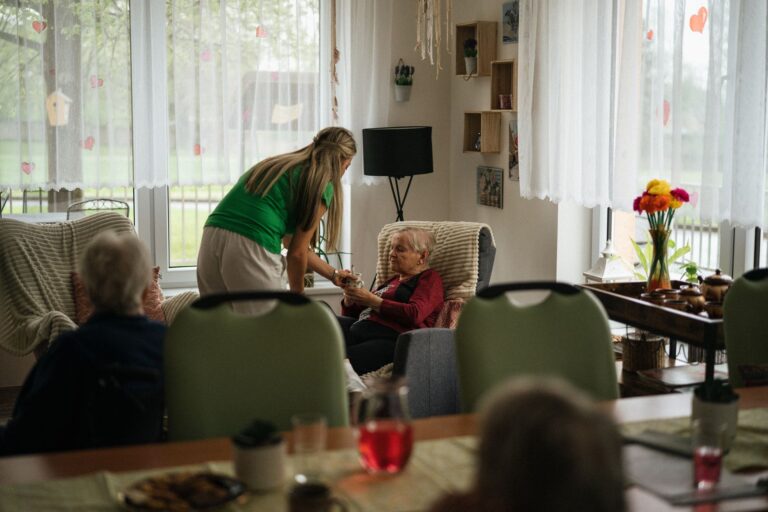
Caregivers create a comprehensive guide to in-home caregiving support by rating difficulty with daily tasks, then matching hours and service type to that score and writing the result into a shared care plan. The plan names who does each task, sets schedules and supplies, and lists contacts and change triggers. Activities of daily living, or ADLs, mean basic self-care such as bathing, dressing and eating. Instrumental activities of daily living, or IADLs, mean household tasks such as medications, money management and transportation.
Medical information disclaimer: This article is for general educational purposes only and does not provide medical advice, diagnosis, or treatment. Always consult a physician or other qualified health professional about symptoms, medications, tests, or treatment decisions.
Table of Contents
- What daily needs should you rate first?
- What belongs in the written care plan?
- Where can you get training and a break?
- What does Medicare home care require and exclude?
- What options help veterans and non-medical needs?
What daily needs should you rate first?
Start with ADLs and IADLs because they set the level of help. Note where help is needed for bathing, dressing and eating, plus medications, money management and transportation. According to the Centers for Medicare & Medicaid Services, that difficulty rating guides matched hours and service type in home programs, as explained in the Community First Choice coverage matrix.
For dementia care, rate safety and supervision needs alongside physical tasks. A person may eat independently but miss doses, wander, or leave stoves on. Record frequency, time of day, and what support already helps.
What belongs in the written care plan?
Put the guide in one written plan the whole circle can follow. Medicare states that Medicare home-health services require a doctor-ordered plan reviewed regularly, described in Medicare home-health coverage rules.
Use short entries that are easy to scan: Review the plan after falls, hospital visits, new prescriptions, or more nighttime waking. Change tasks, hours or backup contacts when needs shift.
- need and who provides each task
- schedule, supplies and setup steps
- contacts and what triggers a plan change
Where can you get training and a break?
The Administration for Community Living funds caregiver support through the National Family Caregiver Support Program for information, access assistance, counseling, support groups, training, respite and limited supplemental services. Use it for skills, behavior changes, safety planning and backup coverage.
Find local help through the Eldercare Locator at 1-800-677-1116, which the Administration for Community Living operates to refer by ZIP code to the local Area Agency on Aging for meals, home care, transportation, training and respite. Search the ARCH National Respite Network directory for local respite programs, state coalitions and Lifespan Respite contacts. Book short breaks before exhaustion, not after.
What does Medicare home care require and exclude?
Medicare states that home-care coverage requires part-time or intermittent skilled nursing or therapy and homebound status, meaning leaving home needs help or great effort. Medicare also states that it does not pay for 24-hour home care, home meal delivery, homemaker shopping or cleaning unrelated to the care plan, or custodial personal care when that is the only care needed, as listed in Medicare home-health coverage rules.
Do not build a dementia schedule around services Medicare will not fund. Plan separate payment or program support for supervision, meals, shopping and cleaning.
What options help veterans and non-medical needs?
Veteran families can check the Department of Veterans Affairs Program of Comprehensive Assistance for Family Caregivers. It requires a serious service-connected injury or illness, disability rating of 70 percent or higher, six months of continuous in-person care need, care at home, and a caregiver age 18 or older who is family or lives with the veteran.
For ongoing non-medical personal care, check state Medicaid home- and community-based options including 1915(j) self-directed personal assistance. Medicaid notes that eligibility, covered tasks and statewide availability vary by state, so confirm your state rules before hiring, scheduling or paying a helper.