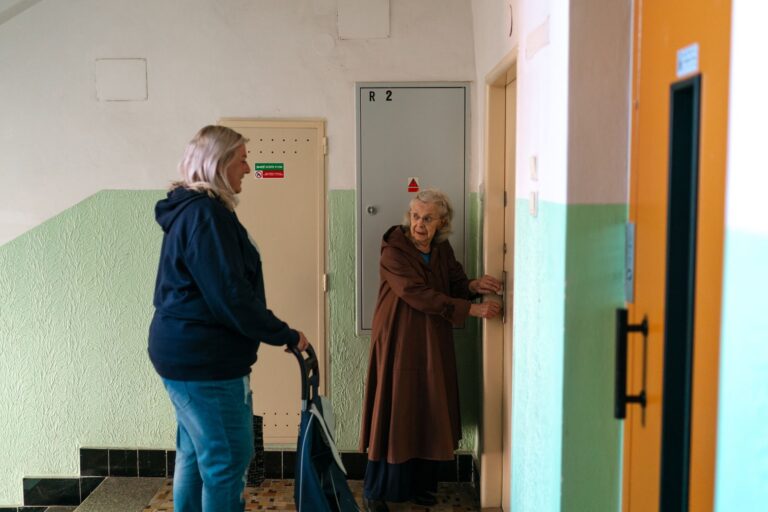
Caregivers build a holiday stress guide the same way they build a care plan: by writing down what the season actually demands, scaling the celebration to the person's stage of dementia, deciding in advance what to decline, and turning vague offers of help into specific written asks. The Alzheimer's Association's own holiday guidance frames it as three deliberate decisions — adjust the traditions, brief the relatives beforehand, and plan for your own rest, including the fatigue that lands after the guests leave. That last piece is the one most guides skip. A plan that schedules the person with dementia but not the caregiver fails in the first week of December, which is why the strongest versions of this guide include a respite phone number and a date on the calendar that belongs to nobody else.
Medical information disclaimer: This article is for general educational purposes only and does not provide medical advice, diagnosis, or treatment. Always consult a physician or other qualified health professional about symptoms, medications, tests, or treatment decisions.
Table of Contents
- Why a written plan matters more this year
- What goes in the guide: the six sections that earn their place
- Turning "let me know if you need anything" into a real ask
- Where the break actually comes from
- The limits of the holiday-stress frame
- Frequently Asked Questions
Why a written plan matters more this year
The scale of the problem is not in the caregiver's head. AARP and the National Alliance for Caregiving's *Caregiving in the US 2025* report counts 63 million US family caregivers — roughly 1 in 4 adults, and nearly 20 million more than a decade ago. In that same survey, 64% reported high emotional stress and 45% reported heavy physical strain. Holiday pressure is also running higher than usual.
The American Psychiatric Association's November 2025 Healthy Minds Poll found 41% of US adults expect more holiday stress than last year, up from 28% in 2024. Nearly half worried about grief or missing someone — a question dementia caregivers often answer twice, for the person who died and the person who is still here but changed. A guide written in advance converts that pressure into decisions already made. The point is not optimism; it is removing the need to improvise while exhausted.
What goes in the guide: the six sections that earn their place
A comprehensive guide does not need to be long. It needs to cover the decisions that otherwise get made at the last minute, badly.
- **A scaled plan for the celebration.** The Alzheimer's Association advises matching the event to the person's current stage — one short gathering instead of three, familiar rooms, quieter music, earlier hours.
- **A pre-gathering brief for relatives.** Tell family in advance what has changed and what to expect, so a repeated question is not met with surprise or correction.
- **A written decline list.** Alzheimer's Los Angeles tells caregivers plainly that it's okay to say no and that they do not need to attend every invitation. Decide which ones before they arrive.
- **A caregiving wishlist.** Family Caregiver Alliance's holiday guide recommends writing down exactly what help you want, and negotiating shared duties and expenses with relatives before the gathering rather than during it.
- **A respite booking.** One confirmed block of time off, with a date and a named person covering it.
Turning "let me know if you need anything" into a real ask
Vague offers from relatives produce nothing. Family Caregiver Alliance's approach is to make the ask concrete and written: a caregiving wishlist that names tasks, and a request for time off framed as a holiday gift rather than a favor. The same guide suggests enclosing a short note about the person's condition in holiday cards.
It does double duty — it prepares anyone who visits, and it spares the caregiver from explaining the diagnosis a dozen times in December. Money belongs in the conversation too. The APA poll found 46% of adults worried about affording gifts; splitting holiday costs and caregiving duties with siblings before the gathering is easier than raising it over dinner.
Where the break actually comes from
Advice to "take time off" only works if a break exists. The Administration for Community Living's National Family Caregiver Support Program funds states and territories to deliver respite care, counseling, training, support groups and information to family caregivers of older adults — the funding route behind most local respite offerings. Two staffed phone lines connect a caregiver to that local help.
The Eldercare Locator at 1-800-677-1116 has specialists available 8:00am–9:00pm ET, Monday through Friday, and routes callers to their Area Agency on Aging's caregiver support program. The Alzheimer's Association's Helpline at 800-272-3900 is free and staffed 24 hours a day, which matters on the nights when a question cannot wait until Monday. Call before the holiday, not during it. Respite slots and local program intake run on business hours, and the weeks around late December are when demand concentrates.
The limits of the holiday-stress frame
Distress is real but not universal, and a guide that assumes misery will not match every household. The same APA poll found 44% of adults say the holidays affect their mental health positively, against only 21% who say the effect is negative — and the group likeliest to anticipate more stress was 18–34-year-olds, at 49%. The caregiving data is where the warning sign actually sits.
In the AARP/NAC survey, 1 in 5 caregivers rate their own health as fair or poor and nearly 1 in 4 say caregiving prevents them from tending to it, while nearly 1 in 4 report feeling socially isolated — a share the report describes as growing. Isolation is the burden holidays sharpen rather than cause. Gatherings concentrate both the demand and the comparison, so the section of the guide covering declined invitations and requested help is not the soft part. It is the part aimed at the measured risk.
Frequently Asked Questions
How far ahead should the guide be written?
Early enough to call during business hours. The Eldercare Locator's specialists work 8:00am–9:00pm ET, Monday through Friday, and local respite programs run on the same schedule.
What should relatives be told, and when?
The Alzheimer's Association advises telling family in advance what changes to expect, before the visit. Family Caregiver Alliance suggests a brief note about the person's condition tucked into holiday cards.
Is skipping a family gathering reasonable?
Alzheimer's Los Angeles states it directly: caregivers may give themselves permission to take time off from caregiving and do not need to accept every social invitation.