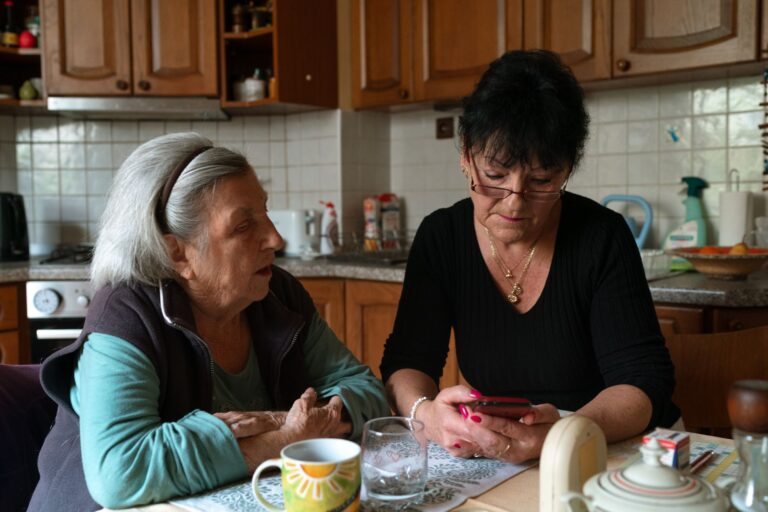
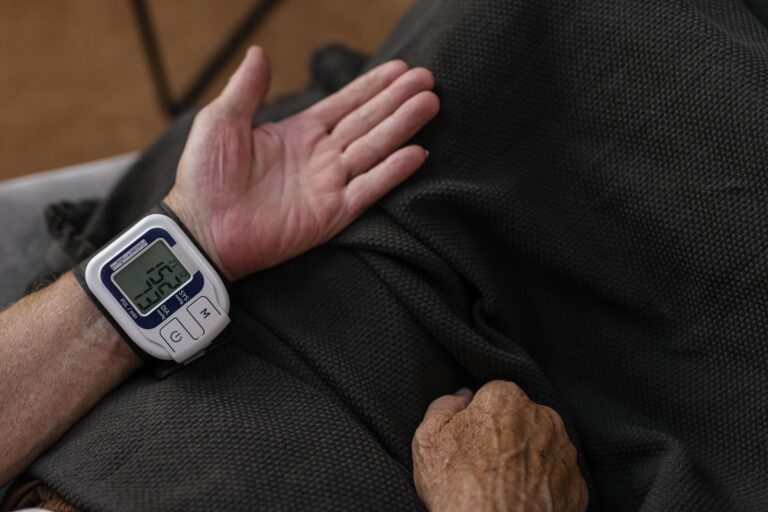
Modify holiday plans by shrinking the event to fit the person rather than fitting the person into the old event. That means adjusting expectations, telling relatives in advance what to expect, simplifying the décor and the guest list, building in a quiet room, and deciding early whether to host instead of travel.
These are not small comforts. The Alzheimer's Association's 2026 Facts and Figures report counts nearly 13 million family members and friends who provided more than 19 billion hours of unpaid dementia care in 2025, worth more than $446 billion — the same households now planning December. Dementia, the umbrella term for conditions that erode memory, reasoning and perception, changes what a gathering feels like from the inside, and the plan has to answer that.
Medical information disclaimer: This article is for general educational purposes only and does not provide medical advice, diagnosis, or treatment. Always consult a physician or other qualified health professional about symptoms, medications, tests, or treatment decisions.
Table of Contents
- Reset the plan before you reset the house
- What to change about the decorations
- Setting up the room itself
- Travel, or host instead?
- Who to call when the day goes sideways
- Frequently Asked Questions
Reset the plan before you reset the house
The first decision is what the day is for. The Alzheimer's Association's holiday guidance tells caregivers to adjust expectations instead of reproducing past celebrations — a shorter afternoon visit can replace a full evening dinner without anyone losing the holiday.
Send word ahead. A family call or a short note before the gathering lets relatives know the person's condition and what to expect, so no one arrives surprised by changes since last year. The same guidance asks caregivers to include the person in simple, enjoyable preparations — folding napkins, choosing music, stirring a bowl — which gives them a role instead of an audience.
What to change about the decorations
Décor is where small swaps pay off most. The Alzheimer's Association warns against candies and artificial fruits or vegetables as decorations, because some people living with dementia may mistake them for real food. Trading a bowl of wax apples for a real one is a five-minute fix before guests arrive.
The Alzheimer's Foundation of America advises keeping decorations festive but simple, since flickering lights and noisy items can overwhelm. The foundation also notes that dementia's changes to vision, depth perception and gait turn decoration wires and fragile ornaments into a fall and injury risk — so tape cords down, and keep breakables off low tables. Alzheimer's Tennessee recommends non-flashing tree lights and caution with decorations that move or make sounds, which can frighten a person with Alzheimer's. The practical substitution: steady white lights, and the singing snowman stays boxed.
Setting up the room itself
The National Institute on Aging advises creating a quiet space at the gathering in case the person needs a break, incorporating their own holiday traditions, and limiting how many visitors are in the room at one time. A spare bedroom with a lamp and a familiar chair is enough.
NIA's "Holiday Hints for Alzheimer's Caregivers" names the specific triggers to remove: The same guidance includes an instruction for guests, not caregivers: do not correct the person when a name or an event is misremembered. Pass that along in the pre-holiday note, where it has time to land.
- Loud conversation and loud music
- Lighting that is too bright or too dark
- Too much rich food, and alcohol
- Crowding — stagger arrivals rather than opening the door to everyone at once
Travel, or host instead?
Decide whether the trip should happen at all. Alzheimer's Association travel-safety guidance says to assess whether travel is appropriate — someone in early-stage dementia may still enjoy a trip, but as the disease progresses travel can become too overwhelming.
For many families this year, the honest modification is hosting rather than going. If you are flying, the Transportation Security Administration's TSA Cares line arranges screening assistance. Call 855-787-2227 at least 72 hours before the flight and an officer meets your party on the entry side of security; a printable TSA notification card is the alternative if you would rather not call.
Who to call when the day goes sideways
Help is staffed on the holiday itself. The Alzheimer's Association's 24/7 Helpline, 800-272-3900, runs around the clock 365 days a year, including Christmas and New Year's Day — so a 9 p.m.
crisis on December 25 has somewhere to go. For questions that can wait for business hours, NIA's ADEAR Center takes caregiver calls at 1-800-438-4380. Put both numbers in your phone before the gathering, not during it.
Frequently Asked Questions
Should I tell relatives about changes before they arrive, or let them see for themselves?
Tell them. The Alzheimer's Association recommends a family call or a note in advance so relatives know the condition and what to expect, which also gives you a chance to ask them not to correct misremembered names or events.
Is it better to skip the gathering entirely?
Not usually — the guidance points toward a smaller, quieter version rather than none. Limit visitors in the room at one time, keep a quiet space available, and shorten the event.
What single decoration change matters most?
Removing candies and artificial fruits and vegetables, which can be mistaken for real food, and swapping flashing or musical decorations for steady lights.