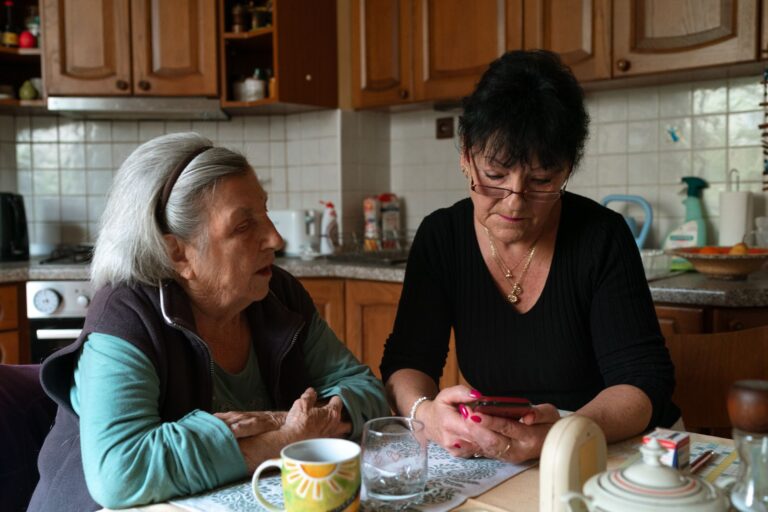
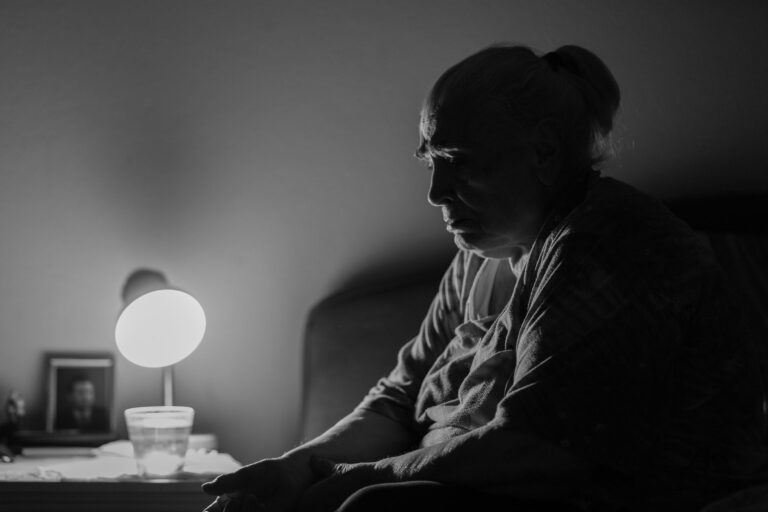
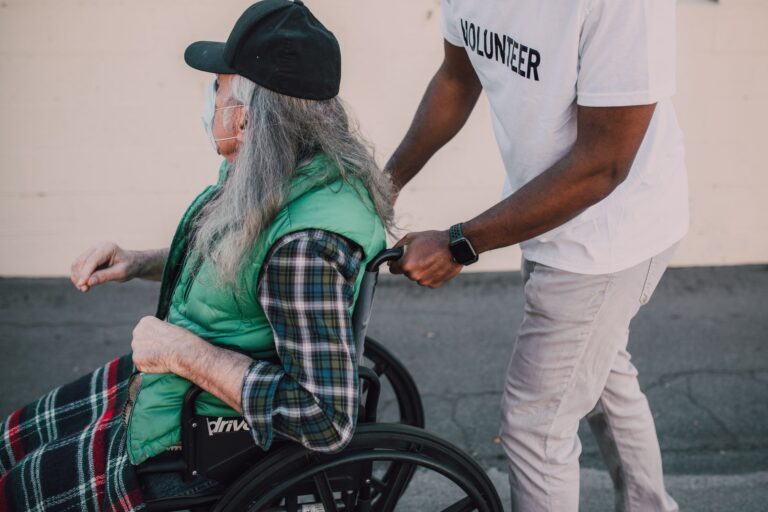
Holiday caregiver burnout shows as exhaustion, irritability at your loved one, sadness or anxiety, poor sleep, body pain, withdrawal, and lost holiday joy. Caregiver burnout means emotional and physical depletion when shopping, gatherings, and traditions pile onto daily dementia care.
For dementia caregivers, the shift can be quick. Familiar routines break, visitors increase noise and questions, and the person may need closer supervision. Watching specific mood, body, and behavior changes helps you act before depletion harms decisions and health.
Medical information disclaimer: This article is for general educational purposes only and does not provide medical advice, diagnosis, or treatment. Always consult a physician or other qualified health professional about symptoms, medications, tests, or treatment decisions.
Table of Contents
- Why holidays raise risk
- Which mood changes matter most?
- What body and behavior signs should you track?
- When should you get outside help?
Why holidays raise risk
Extra shopping, gatherings, and traditions pile on top of daily care duties. That added load can bring emotional and physical exhaustion, even when care seemed manageable in fall.
Caregivers often skip their own social time, meals, rest, and medical needs during the season. Missed support then makes fatigue, worry, and illness harder to recover from.
Which mood changes matter most?
Irritation aimed at the person, not the situation, is an early warning. Banner Health notes that feeling stressed, irritated, or angry at the loved one receiving care points toward burnout rather than ordinary strain Banner Health's advice on avoiding caregiver burnout. Persistent sadness, anxiety, helplessness, or hopelessness also signal trouble.
Negative thoughts can cloud mood and judgment, including choices about medicines, safety, driving, and supervision. Watch for extreme emotional swings, heavy fatigue, foggy thinking, restlessness, or feeling frozen and unable to act. AARP warns caregivers to track these holiday changes and seek counseling or a doctor visit for depression or anxiety AARP's holiday stress tips for caregivers.
What body and behavior signs should you track?
Sleep disruption is common, with sleeping too much or too little. Headaches, body aches, or stomachaches can accompany overload and make lifting, night checks, and travel harder.
Escalating stress also changes habits and focus. Warning patterns include: Treat a cluster as more serious than one bad night. When poor sleep, pain, appetite changes, and missed appointments arrive together, the load has moved beyond normal holiday strain.
- overeating, excess drinking, or smoking more than usual
- trouble concentrating on familiar tasks, medicines, or appointments
- pulling back from friends, family, or holiday events
- losing joy in the season or activities once enjoyed
When should you get outside help?
Act when withdrawal lasts, joy stays absent, or coping turns to food, alcohol, or cigarettes. Ask family for specific relief, arrange respite care, protect sleep, and keep your own medical appointments.
These signs overlap with depression and medical illness, so they do not diagnose burnout alone. CDC guidance for family caregivers notes this overlap and advises caregivers with persistent symptoms to seek respite help and tell their clinician CDC's National Family Caregivers Month guidance.