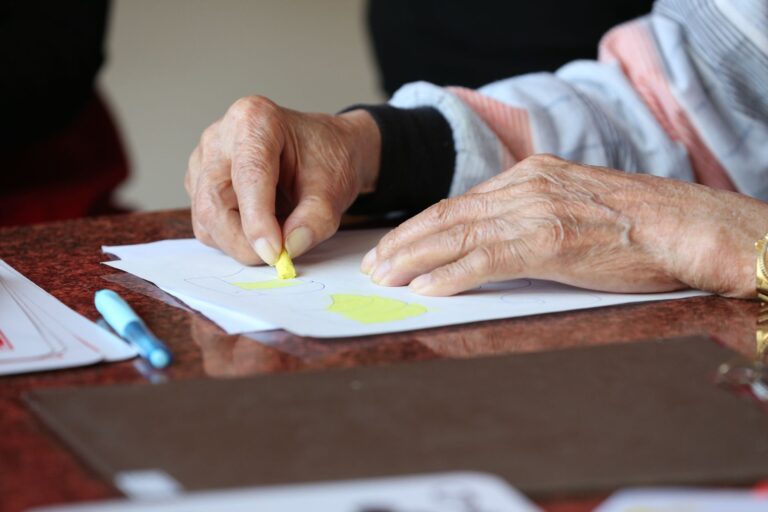
Local families can spend this weekend cooking together, taking short walks, playing familiar music, and looking through old photos with a family member who has dementia. These home activities add structure, movement, and social time without cost or travel.
Dementia means ongoing decline in memory and thinking that interferes with daily life. This weekend plan works best when it matches the person's energy and interests. Short, shared tasks often work better than long outings or new places.
Medical information disclaimer: This article is for general educational purposes only and does not provide medical advice, diagnosis, or treatment. Always consult a physician or other qualified health professional about symptoms, medications, tests, or treatment decisions.
Table of Contents
- What can we do together at home?
- How do we keep the day calm and structured?
- Can music and healthy habits help the brain?
- What if the caregiver needs a break this weekend?
What can we do together at home?
Cooking and baking offer simple hands-on roles like measuring, stirring, and mixing. The National Institute on Aging suggests these kitchen tasks for families adapting activities for Alzheimer's, in its adapting activities guidance. Pull out a family recipe and do one step at a time together.
Movement and music can fill the rest of the day. Try a short walk, balloon toss, stretching bands, singing, and dancing together. The Alzheimer Society of Nova Scotia also lists making a familiar-song playlist, scrapbooking old photos, planting seeds indoors, and reminiscing with photos or home movies without pressing for exact details.
How do we keep the day calm and structured?
The Alzheimer's Association advises a structured daily plan with creative activities such as music, art, and crafts. The same plan holds household tasks, personal care, and mealtime routines to give meaning and reduce agitation.
For the weekend, pick two or three set times for activity, meals, and rest. Set up for success before you start: These practical steps come from the Alzheimer Society of Nova Scotia.
- schedule the activity when the person is most alert
- break it into smaller steps and set out materials first
- do it with the person rather than for the person
- stop and try another day if it does not work
Can music and healthy habits help the brain?
In a cohort of more than 10,800 people age 70 and older, Monash University researchers found that those who said they always listened to music had 39% lower dementia risk and 17% lower risk of cognitive impairment-no dementia than never, rarely, and sometimes listeners, as reported in the PubMed record. Use that finding as a reason to enjoy familiar songs together, not as a promise. The Fisher Center for Alzheimer's Research Foundation notes the result is observational and cannot prove music prevents dementia.
Everyday habits can support both the person and the caregiver. The Alzheimer's Association lists regular heart-rate-raising movement, mentally challenging activities, social engagement, and enough sleep as habits that support brain health. A weekend walk with conversation, followed by a puzzle, playlist, or photo talk, covers several habits at once.
What if the caregiver needs a break this weekend?
Respite care can cover a few hours, a full weekend day, or longer while another trained person stays with your family member. The National Institute on Aging says respite can happen at home, in a facility, or at an adult day center, in its guide to getting help with caregiving.
Ask a relative to cover one planned activity block so the main caregiver can rest. To find local options, call the Eldercare Locator at 1-800-677-1116. Have your zip code, needed hours, and type of care ready when you call.