Bake sales and craft activities for dementia care facility fundraisers combine resident engagement with community giving. Residents help make simple crafts and no-cook baking tasks while visitors buy the finished goods to support the facility. Craft tables and bake tables work best when staff adapt each task to ability and handle safety and sales. The result is purpose for residents and practical support for programs.
Medical information disclaimer: This article is for general educational purposes only and does not provide medical advice, diagnosis, or treatment. Always consult a physician or other qualified health professional about symptoms, medications, tests, or treatment decisions.
Table of Contents
- Why do baking and crafts fit dementia care?
- Which crafts make good fundraiser items?
- How can residents help bake safely?
- What sale rules should you check?
Why do baking and crafts fit dementia care?
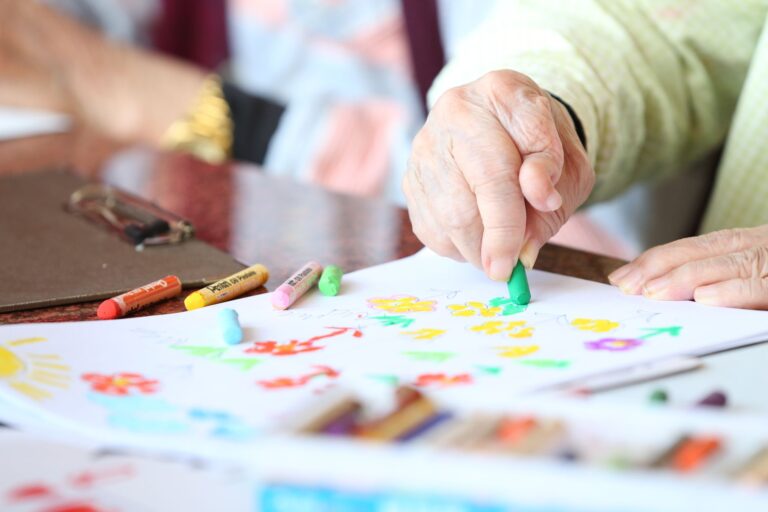
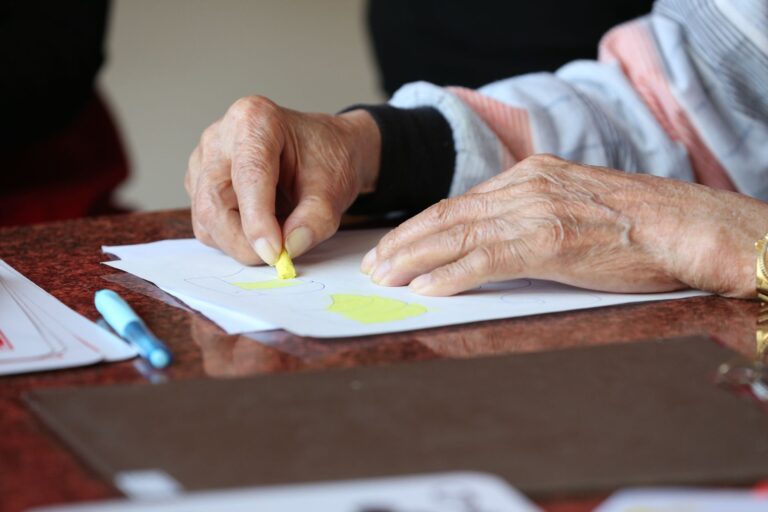
Art gives residents a way to express themselves and stay engaged even as dementia progresses. The Alzheimer's Association states that music and art enrich daily life, in Alzheimer's Association guidance on art and music. That sense of accomplishment matters during a public event.
Baking adds familiar smells, measuring, stirring, and decorating that invite memory, movement, and conversation. Care providers report these shared kitchen tasks support thinking skills, fine-motor practice, and social connection. Keep tasks short, offer one step at a time, and match the job to what each person can do today.
Which crafts make good fundraiser items?
Choose adult, simple, open-ended items that look dignified for sale. Good options include collage cards, clay ornaments, wide-brush paintings, and large-print coloring pages finished as framed prints or gift tags.
The Alzheimer's Association advises keeping projects adult-level with non-toxic materials and hands-on help to start. Set out one finished sample, pre-cut pieces, and large handles and brushes. Price items clearly and let residents greet buyers, sign cards, or wrap purchases.
How can residents help bake safely?
Give residents cool, simple jobs and let staff handle heat, blades, and stoves. Residents can wash fruit, tear bread, stir room-temperature batter, scoop dough with a large spoon, sprinkle toppings, or box finished treats.
Cooking with dementia carries burn, fall, fire, confusion, and ingestion risks, so close supervision matters, according to Park View Care Home therapy-kitchen guidance. Reduce risk with these steps:.
- work in a quiet, low-distraction area with seated tasks
- simplify to one or two steps per person
- keep sharp tools, hot trays, and cleaning products with staff
- keep inedible items out of reach and watch for tasting confusion
What sale rules should you check?
Check local health rules before you bake for the public. Many areas bar home-kitchen preparation for public sale but allow shelf-stable fundraiser foods, so confirm state cottage-food and labeling rules early. Label plainly for allergens and ingredients on every package. The FDA requires nine major allergens on FDA-regulated packaged foods — milk, eggs, fish, crustacean shellfish, tree nuts, peanuts, wheat, soybeans, and sesame — as explained in the FDA FASTER Act allergen notice.
List all ingredients, the maker, and a contact, and keep nut-free and gluten-containing items on separate tables. Use unpaid volunteers for baking, crafting, and selling when possible. The IRS excludes volunteer-run sales from unrelated business income tax when substantially all work is unpaid, as described in the IRS guidance on exceptions for charities. Confirm your state cottage-food and labeling rules before you advertise the sale.