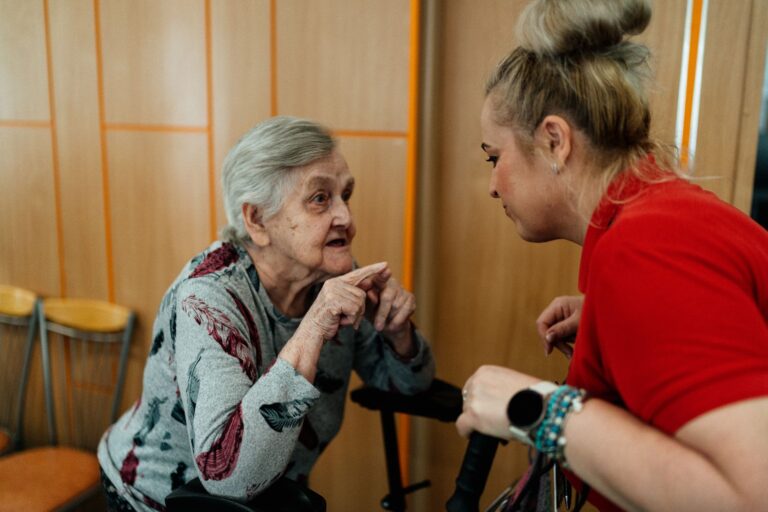
Dementia care training — structured lessons for new family caregivers — teaches daily support, clear communication, and response to behavior changes. According to the Alzheimer's Association, its Empowered Caregiver program covers five foundations, including supporting independence and finding care services foundational curriculum.
About 80% of adults with Alzheimer's and related dementias receive care at home. According to the CDC, over 11 million U.S. adults provide unpaid dementia care, including 18.4 billion hours in 2023 national caregiving data.
Medical information disclaimer: This article is for general educational purposes only and does not provide medical advice, diagnosis, or treatment. Always consult a physician or other qualified health professional about symptoms, medications, tests, or treatment decisions.
Table of Contents
- How do you communicate clearly?
- What do behavior changes mean?
- How do you support daily routines?
- How do you make home safer?
- What training cannot change?
How do you communicate clearly?
According to the Alzheimer's Association, training teaches caregivers to speak slowly and clearly and allow extra response time communication guidance. It also teaches short, simple sentences and yes-or-no questions. Caregivers learn to ask one question at a time.
Use these habits during daily talk: A calm tone matters more than the exact words. If the person looks confused, rephrase once simply. Wait before repeating the question.
- Say one short step, then pause for an answer.
- Offer a choice with two clear options.
- Avoid criticizing, correcting, or arguing.
What do behavior changes mean?
Training teaches that behavior changes are a form of communication. According to the Alzheimer's Association, caregivers learn common changes, non-medical responses, and when to seek more help. Agitation, restlessness, or refusal often signals discomfort, fear, fatigue, or an unmet need. The Family Caregiver Alliance guide teaches caregivers to look for triggers. Common triggers include noise, hunger, pain, rushed care, or a new place.
Caregivers learn to use calm routines, music, walking, and simpler tasks. They also learn to avoid restraint-like confrontation. Redirection works better than debate. Step back, lower stimulation, and offer a familiar activity. Call a clinician or support service when behavior is unsafe, sudden, or sharply worse.
How do you support daily routines?
Federal caregiver tips advise keeping bathing, dressing, and eating at the same time each day. Plan enjoyable activities at consistent times. Let the person do as much as possible.
Break each task into small steps: Stay nearby without taking over. Praise effort and allow more time. Stop and try later if frustration rises.
- Lay out clothes in dressing order.
- Offer finger foods when utensils become hard.
- Keep bath water comfortable and supplies within reach.
How do you make home safer?
The National Institute on Aging teaches home safety as abilities change. Supervision needs grow over time. Fall and wandering precautions become central. Lock medications, cleaners, tools, and sharp items.
Add grab bars, good lighting, and clear paths. Remove loose rugs and cords where possible. Plan for emergencies and hospital visits. Keep a list of diagnoses, drugs, allergies, and contacts by the door. Pack an overnight bag with comfort items and care instructions.
What training cannot change?
Training cannot stop Alzheimer's-related personality and behavior changes. Routines help, but decline still continues. That limit can feel hard for families who do everything right. The National Institute on Aging coping guidance points to steady reassurance of safety.
Use calm redirection instead of correction. Keep sleep, meals, exercise, and quiet time predictable. Seek respite, support groups, and case management early. Short breaks protect health during long caregiving years. Nearly 1 in 3 dementia caregivers provides care for four or more years.