Safe dopamine-releasing activities for dementia care are familiar music, gentle rhythmic movement, creative art, and short bouts of exercise. Dopamine is a brain chemical that drives pleasure and motivation, and pleasurable music activates its reward circuits. These activities fit into daily care without special equipment. Caregivers can match the choice to ability, mood, and energy that day.
Medical information disclaimer: This article is for general educational purposes only and does not provide medical advice, diagnosis, or treatment. Always consult a physician or other qualified health professional about symptoms, medications, tests, or treatment decisions.
Table of Contents
- Why does music affect mood and motivation?
- Which music and art activities work best?
- How can movement add a bigger boost?
- What weekly amount should caregivers target?
- How do you keep dopamine activities safe?
Why does music affect mood and motivation?
Pleasurable music activates brain reward circuits and releases dopamine. In a study of 27 adults, raising or lowering dopamine directly increased or decreased musical pleasure and the urge to keep listening, according to McGill University in its McGill research summary.
That link matters because enjoyment fuels participation. Music-based interventions may also reduce depressive symptoms and improve emotional well-being and quality of life in people with cognitive impairment or dementia, according to the National Center for Complementary and Integrative Health in its NCCIH music and health tips.
Which music and art activities work best?
Play favorite songs, sing together, or try a familiar instrument. Add foot-tapping, clapping, or dancing when movement feels comfortable and steady.
The National Institute on Aging lists these same activities as safe options in its NIA activity guide. The Alzheimer's Association notes that music can reduce agitation and improve behavioral issues common in middle stages. Art projects offer another reward: painting, collage, clay, or simple crafts create accomplishment, purpose, and self-expression even after dementia progresses.
- Start with one familiar song tied to a happy memory
- Offer two adult art choices, not a full supply box
- Keep sessions short and stop while mood is still good
How can movement add a bigger boost?
Federal dementia-care guidance favors several short mini-workouts over one long session. Add music for motivation, dance if possible, and take a walk together each day. The U.S.
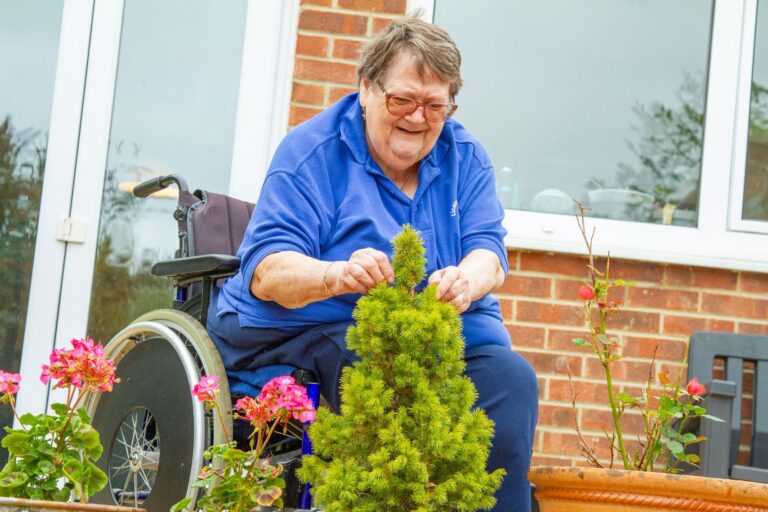
Department of Veterans Affairs advises caregivers to build exercise and fun activities into the daily plan. That routine can enhance quality of life and reduce problem behaviors. Short walks, chair marching, light stretching, and a dementia-friendly exercise class all count.
What weekly amount should caregivers target?
Adults age 65 and older should get at least 150 minutes weekly of moderate activity such as brisk walking. The Centers for Disease Control and Prevention also advises muscle-strengthening on two or more days plus balance activities.
Split that total into small pieces across the week. Three ten-minute walks on five days, plus two brief strength and balance sessions, reach the target without fatigue.
How do you keep dopamine activities safe?
Keep volume moderate because loud music carries hearing risk. Clear space for dancing or walking, use sturdy seating and footwear, and watch for slips or overexertion.
Adapt each activity to current ability and keep it calm and adult-appropriate. Much music-intervention research remains preliminary with few definite conclusions, so treat music and art as comfort and engagement tools. Clear exercise with a clinician before starting or increasing activity.