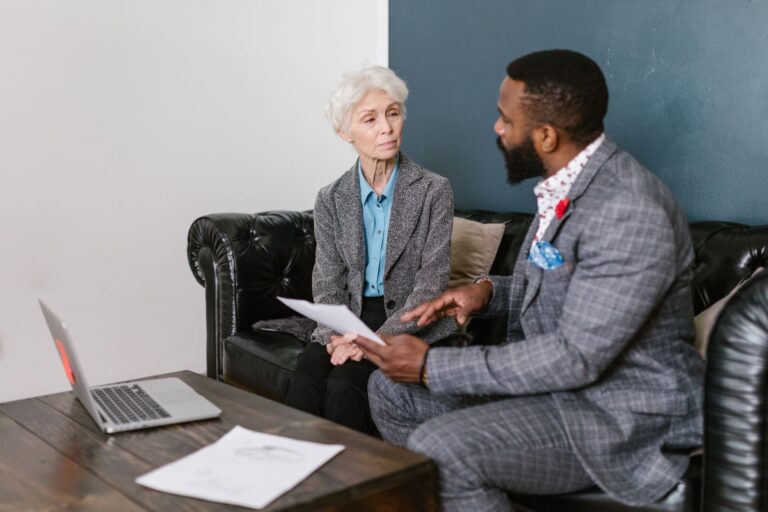
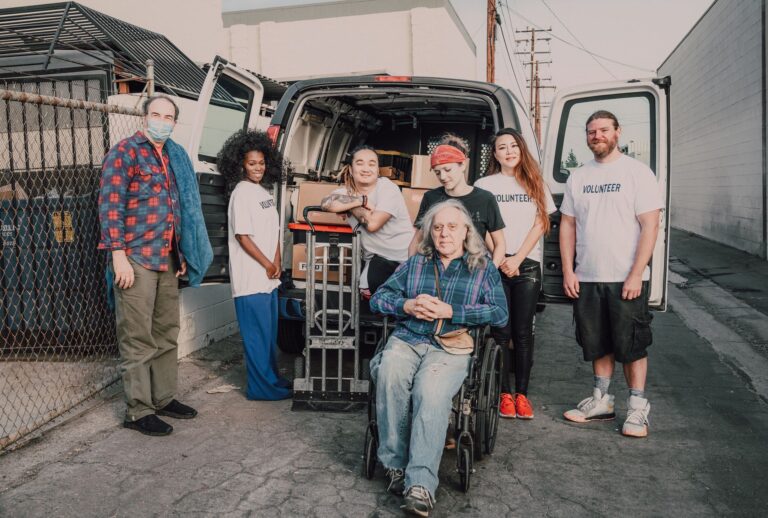
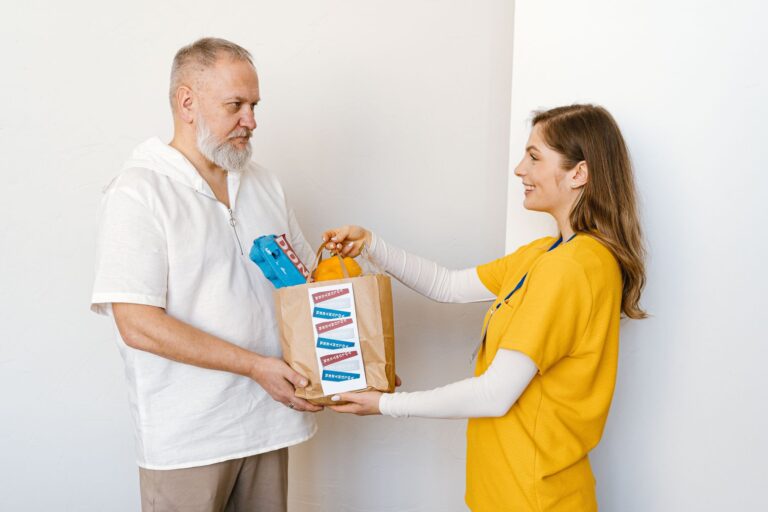
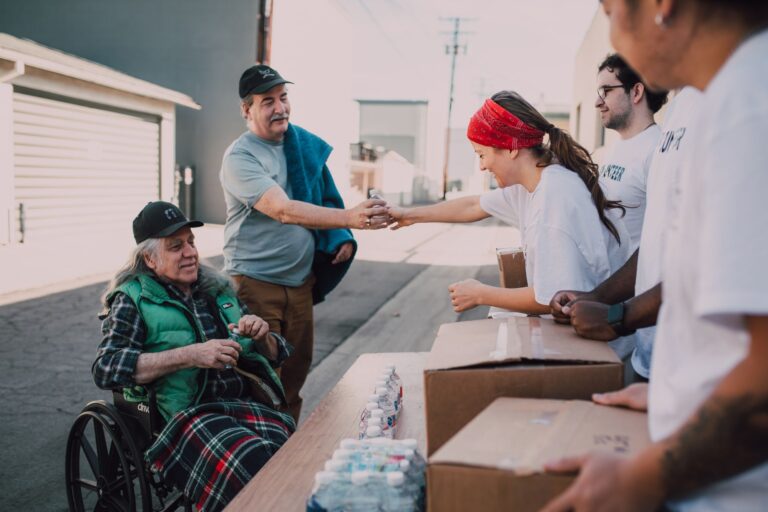
Building volunteering into a realistic dementia prevention routine in a 2026 brain health plan means adding regular helping outside the home to exercise, healthy diet, mental activity, and control of blood pressure, diabetes, and hearing loss. For carriers of APOE ε4, the strongest known genetic risk factor for late-onset Alzheimer's, starting and sticking with helping was linked to substantially slower memory and thinking decline, according to UT News reporting in its summary of the UT Austin study.
The approach fits current prevention guidance. WHO launched the second edition of its risk-reduction guidelines on July 16, 2026, described in the WHO risk-reduction guidelines, and frames volunteering as one part of a broader multidomain plan. The time involved is modest and practical for many adults.
Medical information disclaimer: This article is for general educational purposes only and does not provide medical advice, diagnosis, or treatment. Always consult a physician or other qualified health professional about symptoms, medications, tests, or treatment decisions.
Table of Contents
- Who benefits most from helping?
- How much helping is enough?
- Where does volunteering fit in 2026 guidance?
- How to make helping stick?
Who benefits most from helping?
UT Austin researchers analyzed 22 years of Health and Retirement Study data from nearly 18,000 U.S. adults.
They compared people who began and sustained volunteering or outside-home helping with those who did not help. The clearest link appeared in APOE ε4 carriers, a high-risk subgroup tied to faster cognitive decline. Among people at highest genetic risk, those who began and kept helping reached the same screening-tool impairment threshold almost two years later than non-helpers, UT News reports in its full account of the UT Austin results.
How much helping is enough?
The benefit appeared at modest doses averaging under about four hours per week. Researchers reported the finding for both formal volunteering and informal help to friends, neighbors, or relatives, according to UT News.
That pattern matters for planning. A reader does not need daily service or a large commitment to match the studied behavior. Two steady mornings, one weekly shift, or several short neighbor visits can fall in the relevant range.
Where does volunteering fit in 2026 guidance?
WHO recommends engagement in social activity for adults with normal cognition or mild cognitive impairment specifically to reduce cognitive decline or dementia risk, as noted by Medical News Today in its report on the WHO guidance. Social activity means regular contact with purpose, not passive company.
WHO places that social activity beside physical activity, healthy diet, cognitive activity, tobacco cessation, lower alcohol use, and control of hypertension, diabetes, obesity, dyslipidemia, and hearing loss. Volunteering works best when it adds social and mental engagement to those other steps. It is not a substitute for medical care or vascular risk control.
How to make helping stick?
Choose a role with a fixed time, clear tasks, and people contact. Examples include library shelving, food pantry packing, school reading help, park cleanup, or weekly shopping help for a neighbor.
Outside-home roles match the studied pattern more closely than help given only inside the household. The UT Austin results come from survey data collected from 1998 to 2020 and show an association, UT News notes, not proof that volunteering causes slower decline. Start small, keep the schedule steady, and review blood pressure, hearing, sleep, mood, and medications with a clinician alongside the routine.
- pick one two-to-three-hour weekly slot you can keep for months
- choose walking, standing, or hands-on tasks when health allows
- pair helping with a walk, class, or meal to add activity and contact
- track attendance monthly and adjust the role if it causes fatigue or stress