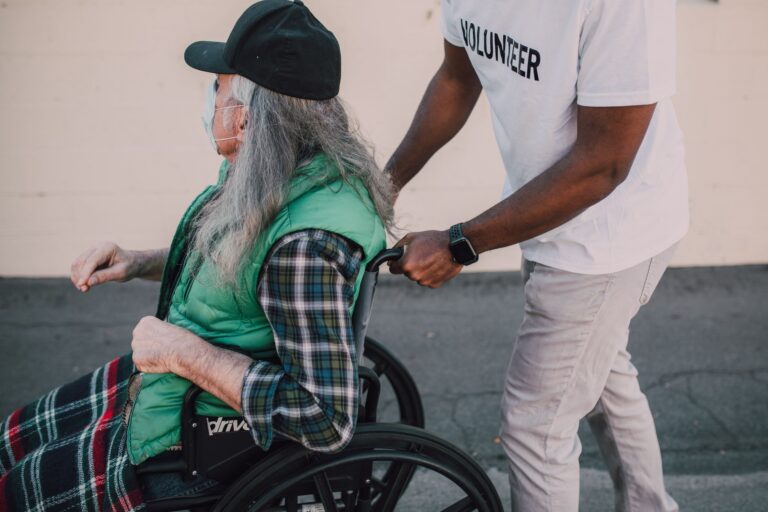
You can build volunteering into a brain-health routine with one to two weekly hours of helping outside the home plus short walks. Sustained helping at this modest level is linked to slower memory and thinking decline in adults at higher genetic risk. APOE ε4 means carrying a gene version that raises Alzheimer's risk. Researchers tracking nearly 18,000 adults for 22 years found carriers who began and kept helping showed substantially slower decline, according to the University of Texas at Austin UT Austin analysis.
Medical information disclaimer: This article is for general educational purposes only and does not provide medical advice, diagnosis, or treatment. Always consult a physician or other qualified health professional about symptoms, medications, tests, or treatment decisions.
Table of Contents
- What counts as brain-supportive helping?
- How little is enough to start slow?
- How to build a steady weekly routine?
- What limits should you keep in view?
What counts as brain-supportive helping?
Volunteering means a regular unpaid role with an organization. Informal helping means unpaid help outside your home without a formal role. Both counted in the long-term study. Useful examples include a weekly pantry shift, trail cleanup, reading-buddy time, or driving a neighbor to appointments.
In pooled data from five surveys, 57,793 people in 24 countries were studied. Volunteering and sports-club participation were linked with lower decline risk in all five cohorts, according to Medical News Today reporting on a 2026 study study summary. Variety helped most. People who mixed social, mental, and physical activities fared better than those who repeated one type. Pick one helping role plus one active club, like a walking group or cycling club.
How little is enough to start slow?
You do not need a heavy schedule. Protective links appeared at less than about four hours a week of helping, according to the University of Texas at Austin UT Austin analysis. Among people at the highest genetic risk, beginners who kept helping reached a key impairment mark almost two years later than non-helpers.
That mark comes from a standard thinking test used to flag significant problems. A slow start is therefore realistic. Two hours a week can fit work, caregiving, and rest while still building a steady habit.
How to build a steady weekly routine?
Start with one fixed shift and two short walks. Keep travel, cost, and standing time low for the first month.
Add time only when the week feels easy. A slow rise protects sleep, energy, and follow-through.
- Pick one two-hour shift close to home, such as pantry stocking
- Walk 15 minutes on two non-volunteer days
- Learn one new task each month, such as intake desk or route driving
- Keep the same days so the habit sticks
What limits should you keep in view?
The findings are observational. They show a link, not proof that helping causes slower decline, according to Earth.com reporting on the study research summary. No lifestyle is proven to prevent Alzheimer's.
Choose roles that fit health, balance, hearing, and vision. Ask for seated tasks, clear instructions, and a trial shift before committing. Keep your weekly slot on the calendar and add 30 minutes only after two comfortable weeks.