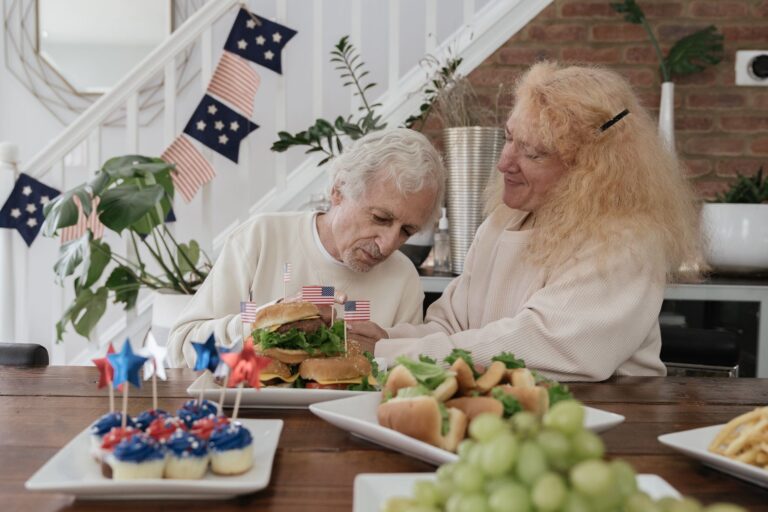
The key questions are what type of dementia is driving the eating, whether memory loss or brain change explains it, and how to keep meals safe at home. Compulsive eating means eating without control over amount, speed, or food choice, even after feeling full. It looks different from a large appetite. A person may eat very fast, demand sweets or fatty foods, take food from other plates, or ask for another meal minutes after eating.
Medical information disclaimer: This article is for general educational purposes only and does not provide medical advice, diagnosis, or treatment. Always consult a physician or other qualified health professional about symptoms, medications, tests, or treatment decisions.
Table of Contents
- Which type of dementia most often causes it?
- Is it hunger, forgetting, or worry?
- When does overeating turn dangerous?
- What can you change at home?
- What should you ask the doctor or care team?
Which type of dementia most often causes it?
Behavioral-variant frontotemporal dementia most often causes compulsive eating. According to Dementia UK, it can bring persistent overeating, sweet and high-fat cravings, rapid eating, and taking food from others' plates in Dementia UK's frontotemporal dementia guide. An early comparison found weight gain, carbohydrate craving, and compulsions far more common in frontal-lobe dementia than in Alzheimer's.
The pattern points to brain-based loss of control, not willpower. Frontotemporal dementia can also bring rigid food habits. Semantic dementia may narrow the diet to one or a few specific foods.
Is it hunger, forgetting, or worry?
It is not always hunger. People with dementia may eat again because they forget they just ate or worry about when the next meal will come, according to the Alzheimer's Society UK's eating and drinking guide. Ask when the last meal happened and what was eaten.
Check whether the request follows a missed routine, a long gap, or anxiety about food running out. Watch for eating despite reported fullness. A brain study of dementia-related binge eating linked continued eating to greater atrophy in areas tied to fullness, reward, and control.
When does overeating turn dangerous?
Ask about coughing, choking, pocketing food, or very rapid bites. In middle and late dementia, chewing and swallowing problems raise choking risk. Food that enters the lungs can cause aspiration pneumonia.
The U.S. National Institute on Aging warns that this condition can lead to death in the National Institute on Aging's late-stage care guide. Ask whether weight is rising fast, sweets crowd out balanced meals, or food is grabbed from others. These signs mean the plan needs to change now.
What can you change at home?
Ask what a safe meal setup looks like for this person. Offer set mealtimes with controlled portions instead of open access to food.
Use steps that slow eating and lower choking risk: Remove extra servings from reach during the meal. Keep a simple log of meals, snacks, coughing, and food-taking for the care team.
- Serve soft, bite-sized food in a set portion.
- Seat the person upright with head slightly forward.
- Stay nearby during meals and watch the pace.
- Check the mouth for pocketed food after eating.
- Seek a swallowing evaluation if coughing or choking occurs.
What should you ask the doctor or care team?
Ask whether the diagnosis explains the cravings and speed of eating. Bring examples: foods demanded, portion sizes, speed, and taken food. Ask whether a swallowing evaluation is needed.
Ask about dietitian help, safe food textures, portion limits, and how to handle rigid habits or a one-food diet. Ask what to do after choking or chest infection signs. Get clear steps for urgent signs and for follow-up after a coughing episode.