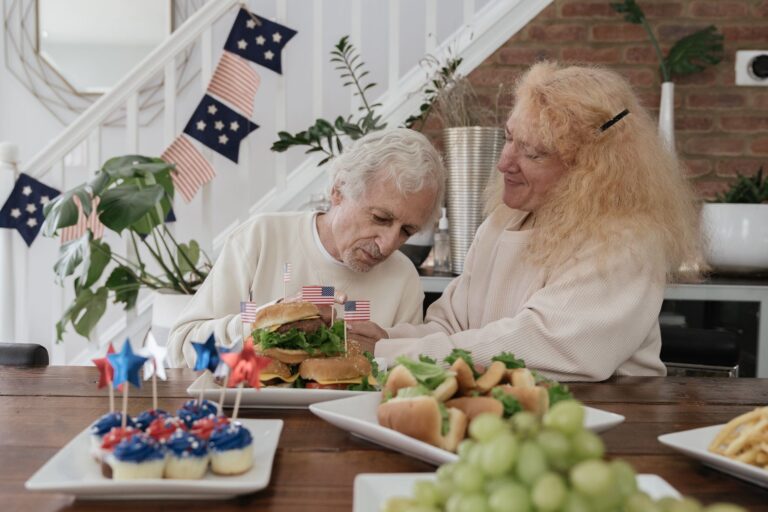
Caregiver communication for compulsive eating in dementia home care means using short, calm cues to guide safe eating. Compulsive eating is repeated overeating, strong cravings, or hiding food to eat later, often because the person forgets a recent meal. Watching intake across meals and snacks helps you spot patterns early. Eating together and keeping regular times can lower anxiety and make behavior easier to manage.
Medical information disclaimer: This article is for general educational purposes only and does not provide medical advice, diagnosis, or treatment. Always consult a physician or other qualified health professional about symptoms, medications, tests, or treatment decisions.
Table of Contents
- Why does this eating pattern happen?
- What should you say and show at the table?
- What if they insist they have not eaten?
- How can you limit extra food without a fight?
Why does this eating pattern happen?
Forgetting a meal is common. A person may ask for lunch right after eating, demand sweets, or save rolls in a pocket for later. The Alzheimer Society of Canada describes forgetting meals, strong cravings, and hoarding food as common drivers, detailed in its meal-time guide.
In frontotemporal dementia, changes in personality and behavior areas can trigger hyper-oral activity. That means compulsively putting food or inedible objects in the mouth. This raises choking risk and needs close supervision.
What should you say and show at the table?
Use one short instruction at a time. Say "Pick up your spoon," then show the action. Place food on the utensil and bring it toward your own mouth first, then guide theirs. Stay calm and unhurried.
Use a soothing tone, protect independence, and watch eye contact and body language when words fail. The Alzheimer's Disease Foundation Malaysia recommends this calm, patient approach in its eating and behavior guide. Post simple reminders where meals happen. Try "Lunch is at noon" on the fridge plus a mealtime alarm.
What if they insist they have not eaten?
Do not argue or press them to remember. Wait until they feel calm, offer a short walk, music, or folding laundry, then re-offer food.
Eat with them when you can. You model bites, notice overstuffing, and make the meal social. Royal Devon NHS notes that shared meals and regular times reduce worry about food in its guide to supporting eating and drinking.
How can you limit extra food without a fight?
Start with a smaller split of the normal portion. Offer more only if requested.
There is no special dementia diet. Alzheimer Society UK advises clinician or dietitian review for steady weight gain, pocketing food, coughing, or swallowing trouble, explained in its appetite and dementia guide.
- Provide nutritious ready-to-eat snacks, such as banana slices or cheese cubes
- Ensure engaging daytime activity to ease boredom eating
- Securely store excess food out of sight and reach