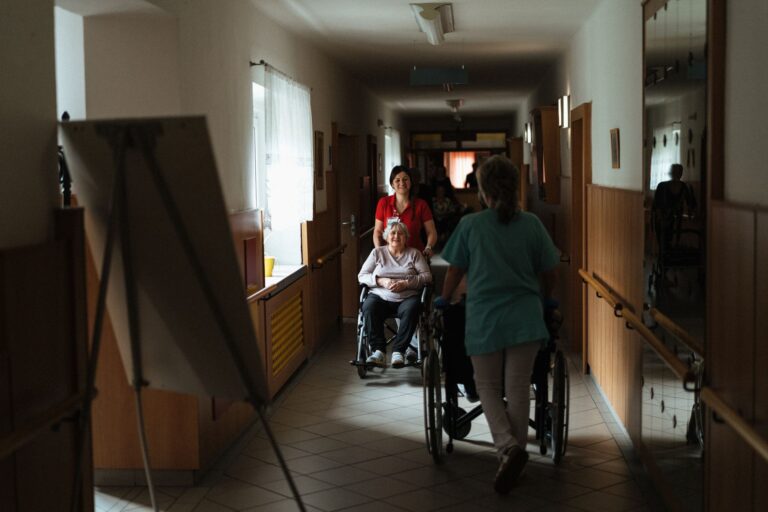
Compulsive eating in dementia home care means asking for food repeatedly, eating quickly, or grazing after a full meal. Common triggers include forgotten meals, boredom, and strong cravings, and steady routines with smaller portions often help.
Compulsive here covers hyperphagia, an unusually strong drive to eat. Behavioral-variant frontotemporal dementia often brings this drive, with fixation on one food, strong sweet preference, and sometimes eating inedible objects. SISSA reports this pattern occurs more than in typical Alzheimer's disease in its June 2016 review summary.
Medical information disclaimer: This article is for general educational purposes only and does not provide medical advice, diagnosis, or treatment. Always consult a physician or other qualified health professional about symptoms, medications, tests, or treatment decisions.
Table of Contents
- Why hunger signals change
- Which home situations trigger extra meals?
- What makes eating unsafe?
- What helps at the table?
Why hunger signals change
Damage to the hypothalamus, the brain's feeding and satiety center, drives much of this urge. Piguet and colleagues found patients with high feeding disturbance showed strong posterior hypothalamus shrinkage. The change is physical, not lack of willpower.
One volumetric MRI study compared 18 people with behavioral-variant frontotemporal dementia to 18 controls. The Journal of Neurology study found about 17 percent lower hypothalamic volume in the patient group. That loss tracked with abnormal eating behavior.
Which home situations trigger extra meals?
Forgetting a recent meal is a frequent trigger. The person may request another full meal soon after eating and gain unplanned weight. The Alzheimer Society of Canada describes this pattern in its Meal Time guidance.
Boredom, depression, and loneliness also prompt grazing through the day. Cravings for specific foods and hoarding food for later add to intake. The Alzheimer Society of Canada notes regular meaningful activities reduce idle snacking.
What makes eating unsafe?
Speed and bite size create the main risk. Putting too much food in the mouth at once, eating too quickly, and swallowing without chewing raise choking risk. Close supervision helps catch these moments early.
Trying inedible items adds another hazard, especially for people with strong oral fixation. Keep small objects, cleaning products, and spoiled food out of reach. Stay nearby during meals and snacks.
What helps at the table?
Small plate changes lower intake without long food battles. Royal Free London NHS advises several practical steps in its Eating well with dementia guide.
Check with the GP about physical or medication-related causes of higher appetite before major diet changes. Alzheimer's Society UK also advises blood-sugar checks for people with diabetes, as noted in its advice on won't-stop-eating.
- Split the original meal into two smaller portions for later requests.
- Serve an individual plate instead of placing the serving dish on the table.
- Fill most of the plate with vegetables or salad.
- Offer low-calorie snacks and drinks between meals.