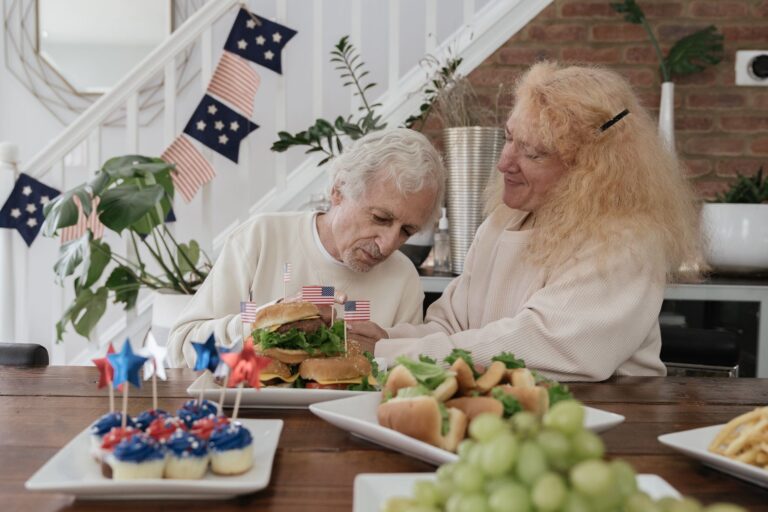
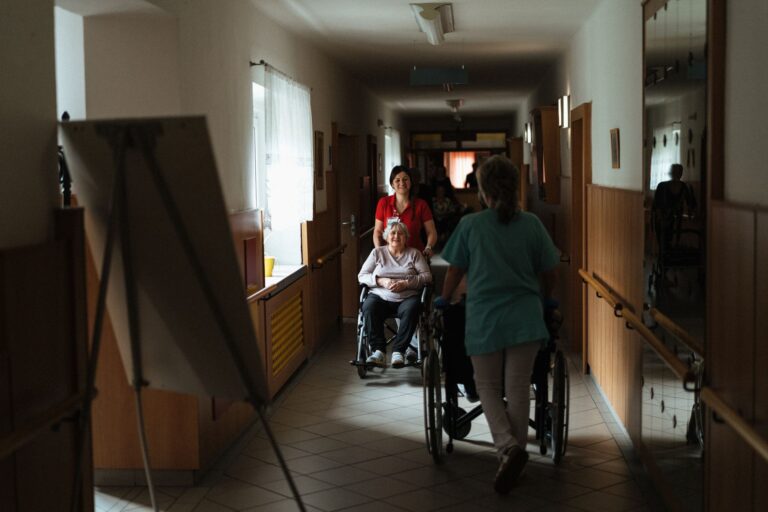
A care plan for compulsive eating in late-stage dementia pairs a structured daily food routine with close follow-up on nutrition, weight, and swallowing. The routine offers regular small meals, safe food access, fluids, activity, and supervision instead of scolding. Compulsive eating means repeated food-seeking even after eating enough. It often reflects forgetting a recent meal, worry about the next meal, thirst mistaken for hunger, boredom, or strong cravings for sweets.
Medical information disclaimer: This article is for general educational purposes only and does not provide medical advice, diagnosis, or treatment. Always consult a physician or other qualified health professional about symptoms, medications, tests, or treatment decisions.
Table of Contents
- Why does constant food-seeking happen?
- What does a safe daily routine include?
- How do you lower choking risk during meals?
- What should follow-up check?
Why does constant food-seeking happen?
Memory loss can make a person forget breakfast and ask for food again within minutes. Anxiety about missing the next meal, thirst, boredom, and sweet cravings can also drive eating, especially in frontotemporal dementia. In middle and late stages, eating patterns can swing both ways.
A person may forget to eat, believe they already ate, feel overwhelmed by choices, or need more help to feed themselves. Caregivers should simplify choices, assist patiently, and protect enjoyment at meals. Marked overeating happens almost exclusively in behavioral-variant frontotemporal dementia rather than typical late Alzheimer's. In typical late Alzheimer's, reduced intake and swallowing difficulty dominate, so any eating routine must keep comfort and choking safety first.
What does a safe daily routine include?
A steady pattern reduces anxiety and grazing. According to the Alzheimer's Society UK, a helpful routine offers regular small meals, healthy foods within reach, lower-calorie swaps, enough fluids, daily activity and company, and limited access to excess food in its overeating guidance.
Useful steps include: Best practice sets an individualized plan with two goals: adequate food and fluid intake and preserving self-feeding as long as possible. Reassess the plan as dementia advances, because needs and risks change quickly.
- Serve small meals and planned snacks at the same times each day
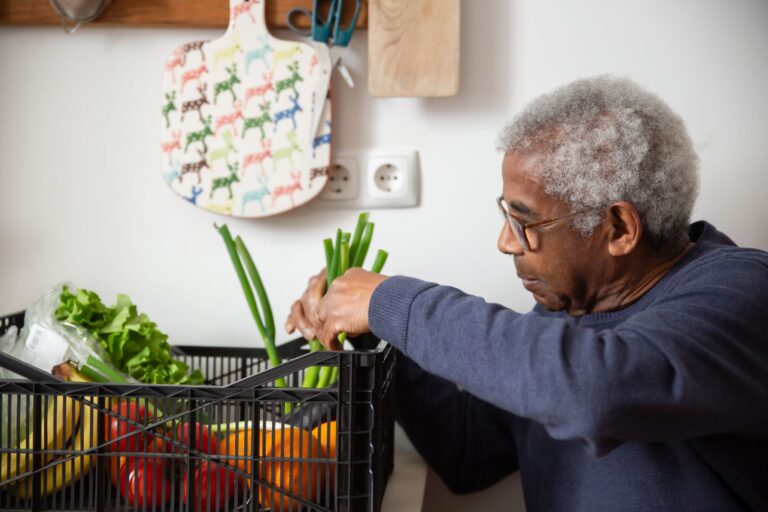
- Keep water, fruit, and vegetables easy to reach
- Choose lower-calorie swaps for sweets and fried snacks
- Offer walks, music, folding, sorting, or visits to ease boredom
- Store extra food out of sight and lock bulk supplies when needed
How do you lower choking risk during meals?
Rapid eating, large bites, and poor chewing raise choking risk. According to the Alzheimer Society of Canada, caregivers should supervise meals, serve one food at a time, cut food small, discourage mouth overstuffing, and prompt chewing and slow swallowing in its meal time guide. Sit the person upright, stay nearby, and keep the table calm.
Offer one bite or one item, wait for a swallow, then offer more. Cut meat, fruit, and bread small and soften hard foods. Watch for coughing, pocketing food in cheeks, wet voice, or refusal to swallow. Pause, prompt a sip if safe, and seek advice before continuing when swallowing looks unsafe.
What should follow-up check?
Follow-up should track weight, nutritional status, fluids, self-feeding ability, and swallowing. Start with food fortification and dietary advice for at-risk people before supplements, and get prompt medical advice for rapid weight change, diabetes effects, or eating nonfood items.
According to Cheshire NHS, dementia feeding care advises weekly weighing and nutrition screening to catch malnutrition risk, with referral to a dietitian for unbalanced diet or excess weight gain and to speech-language therapy for swallowing problems in its feeding and swallowing guidance. Keep a short log of weight, intake changes, coughing, chest infections, and new food refusal. If swallowing worsens, ask for speech-language therapy promptly and shift goals toward comfort, safety, and mealtime enjoyment.