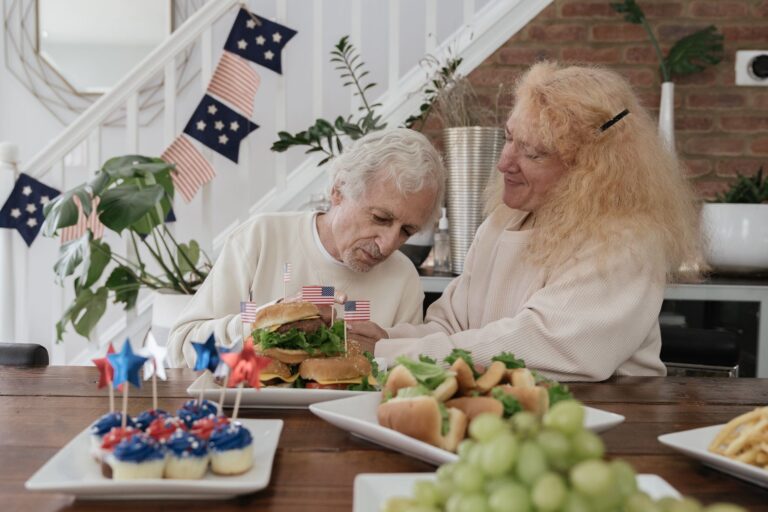
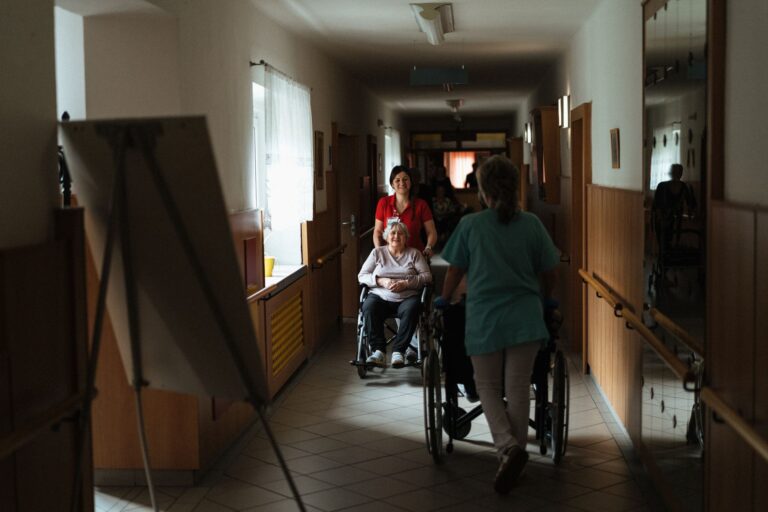
Ask about swallow evaluation, food texture, diabetes medicines, securing food and medicines, and comfort-feeding goals. In late-stage dementia, compulsive eating means urgently seeking food, eating fast, or compulsively tasting, chewing, or ingesting food or non-food items with poor impulse control. The Association for Frontotemporal Degeneration calls this pattern hyperorality. It can reflect cognitive impairment, apraxia, weak supervision, or metabolic change, and it brings weight gain, diabetes problems, and choking risk.
Medical information disclaimer: This article is for general educational purposes only and does not provide medical advice, diagnosis, or treatment. Always consult a physician or other qualified health professional about symptoms, medications, tests, or treatment decisions.
Table of Contents
- Why does eating change in late dementia?
- Which dementia type carries the highest risk?
- How do you make meals safer day to day?
- What should you ask the care team?
Why does eating change in late dementia?
Abnormal eating behaviors and dietary changes occur in most people with dementia, especially later in the course, according to the analysis by Ikeda and colleagues Ikeda team review. Causes include cognitive impairment, apraxia, inadequate supervision, and metabolic changes.
That mix explains rapid eating, hidden snacks, and eating nonfood objects. The behavior looks willful, but it stems from lost control and poor judgment.
Which dementia type carries the highest risk?
Increased intake or hyperphagia was reported in 9%-26% of Alzheimer's cases in prior studies. Marked hyperphagia occurred almost exclusively in behavioral-variant frontotemporal dementia, not typical Alzheimer's.
In behavioral-variant frontotemporal dementia, hyperorality affected 50% of early-stage participants and rose to about 60% later. Ask the clinician which diagnosis fits, because that shapes safety planning.
How do you make meals safer day to day?
Impaired chewing and swallowing raises choking risk in later Alzheimer's stages, and food entering the lungs can cause aspiration pneumonia that can lead to death, according to the National Institute on Aging NIA guidance on late-stage care. Stay close during meals and watch each swallow. The Alzheimer's Association advises practical mealtime steps Alzheimer's Association food and eating guidance:.
- serve soft, easy-to-swallow foods and allow ample time
- keep the person upright during and after eating
- avoid nuts, popcorn, and raw carrots
- check that food is swallowed before the next bite, and learn the Heimlich maneuver
What should you ask the care team?
Ask for a swallow evaluation and a clear diet texture. Ask whether diabetes drugs need change because compulsive eating can cause overweight, obesity, and poor diabetes control.
Ask how to secure food, snacks, and medicines between meals. For advanced dementia, a review in the Journal of Clinical Medicine notes that careful hand feeding is preferred over feeding tubes because tubes do not improve survival, nutrition, comfort, pressure-ulcer healing, or prevent aspiration pneumonia review of feeding-tube evidence. Set a comfort-feeding goal and lock medicines away from food areas.