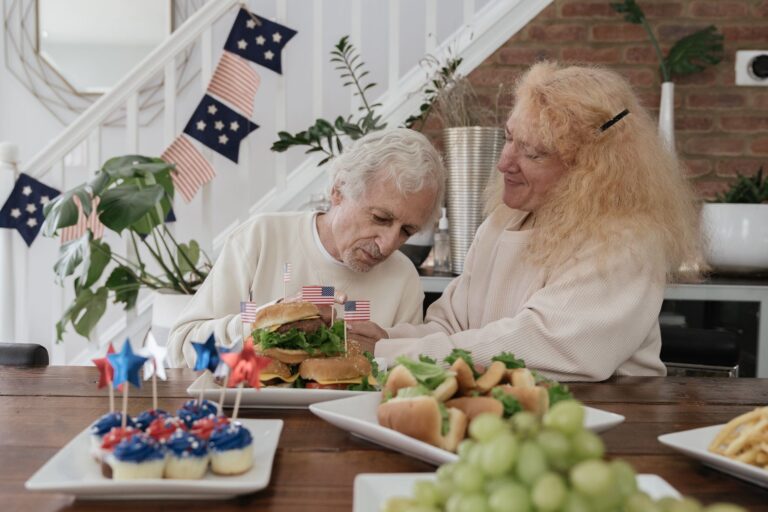
Caregivers can split the normal meal into two smaller portions and offer the second only if the person asks again. They can serve one food at a time, remove serving dishes from sight, supervise eating, and cut food small while cueing slow chewing.
Compulsive eating here means repeated requests for food, rapid overeating, or tasting and chewing food or non-food items. In dementia it often reflects a forgotten meal, worry about the next meal, or craving and hoarding set foods. According to the Association for Frontotemporal Degeneration, this pattern, called hyperorality, links most strongly to behavioral-variant frontotemporal dementia in its hyperorality guide.
Medical information disclaimer: This article is for general educational purposes only and does not provide medical advice, diagnosis, or treatment. Always consult a physician or other qualified health professional about symptoms, medications, tests, or treatment decisions.
Table of Contents
- Why does repeated eating happen?
- What helps at mealtimes?
- How do you limit unsafe access?
- How do you lower choking risk?
- When does overeating turn into loss of appetite?
Why does repeated eating happen?
Forgetting a recent meal often drives the request for more food. Anxiety about the next meal and craving or hoarding set foods also play a role. These drives can look like hunger even after a full plate.
Appetite can also shift after new medicines or dose changes. Diabetes, depression, constipation, mouth or denture pain, and poor sleep can change hunger too. Ask the doctor or pharmacist to review medicines and offer swallow-safe forms when needed, and check blood sugar before meals if the person has diabetes.
What helps at mealtimes?
The Alzheimer's Society UK advises splitting the meal in its eating and drinking guidance. Put half on the plate and keep the rest warm out of view. Offer the second half only if the person still asks for food.
Serve one item at a time and clear serving bowls from the table. For example, offer potatoes first, then vegetables, then meat. This lowers visual cues to keep reaching for food.
- Split the usual meal into two small plates
- Serve one food at a time
- Remove serving dishes and extra snacks from sight
- Offer water between bites and pause before seconds
How do you limit unsafe access?
Supervise all meals and snacks without turning watchfulness into conflict. Store extra food out of sight, in closed cupboards or high shelves. Lock cabinets or the refrigerator if the person eats spoiled food, eats at night, or takes food meant for others.
Lock away medicines, alcohol, cleaning products, and small objects that may be mouthed. This includes batteries, coins, pet food, and loose pills. Keep only one safe portion within reach between meals.
How do you lower choking risk?
People with dementia may overstuff the mouth, eat too quickly, or try to swallow without chewing. Cut food into small bites and watch each bite closely. Cue the person to chew, swallow, slow down, and clear the mouth before the next bite.
Seat the person upright with the head slightly forward during meals. According to the Alzheimer's Association, food or liquid entering the lungs can cause aspiration pneumonia, a common cause of death, in its food and eating advice. Keep the person upright for about 30 minutes after eating, check that the mouth is empty, and report frequent coughing or choking.
When does overeating turn into loss of appetite?
Late-stage disease often shifts from overeating to loss of interest in food. Weight loss and trouble chewing or swallowing become more common. This change can happen quickly and needs close watching.
Do not force eating when interest drops. Offer small, frequent soft foods and finger foods, and keep lips and mouth moist. Call the care team promptly for rapid weight change or eating of non-foods.