The 2026 WHO dementia guideline says adults with mild cognitive impairment may join organized social-activity programs. Mild cognitive impairment means memory or thinking changes beyond normal aging, while daily tasks stay manageable.
The World Health Organization released the second edition of Risk reduction of cognitive decline and dementia on 15 July 2026 in the WHO announcement. The agency estimates up to 45% of dementia risk is modifiable through life-course factors. Those factors include inactivity, smoking, isolation, hypertension, diabetes, hearing loss and air pollution.
Medical information disclaimer: This article is for general educational purposes only and does not provide medical advice, diagnosis, or treatment. Always consult a physician or other qualified health professional about symptoms, medications, tests, or treatment decisions.
Official resource:
- Read the official guidance from Who — Use this primary source to verify the official guidance.
Table of Contents
- What changed for people with MCI?
- How strong is the recommendation?
- Why could social contact help?
- What can you do each week?
What changed for people with MCI?
Guideline Central, publishing in participation with WHO, describes the new social-activity recommendation. It states engagement in social-activity interventions may be recommended to adults with normal cognition or mild cognitive impairment, as detailed in the Guideline Central summary.
For the same group, WHO also says cognitive training may be offered and cognitive stimulation may be encouraged. That pairing links mental engagement with social engagement.
How strong is the recommendation?
WHO graded the social-activity recommendation as conditional with very low-certainty evidence. That grade means it may help but is not proven to prevent dementia.
Boho News reports the 45% figure is a population-level estimate, not an individual promise. It applies amid 57 million people living with dementia and nearly 10 million new diagnoses yearly.
Why could social contact help?
Analysts estimate ending loneliness and social isolation alone could avert about 5% of dementia cases, reports Medical News Today in Medical News Today analysis. The proposed reason is cognitive reserve built through interaction.
Cognitive reserve means the brain's ability to keep working despite age-related change. Social contact is one contributor among exercise, vascular health, hearing, education and pollution exposure.
What can you do each week?
Boho News describes the practical pattern for MCI in the Boho News breakdown. It pairs social connection with exercise, diet, vascular care, hearing support, and less tobacco and alcohol.
Supplements do not replace these steps. The practical list points to hearing aids and daily habits, not vitamin supplements.
- join regular group activities such as classes, clubs or walking groups
- volunteer and keep active contact with friends, family or neighbors
- pair social time with exercise, healthy diet, and less tobacco and alcohol
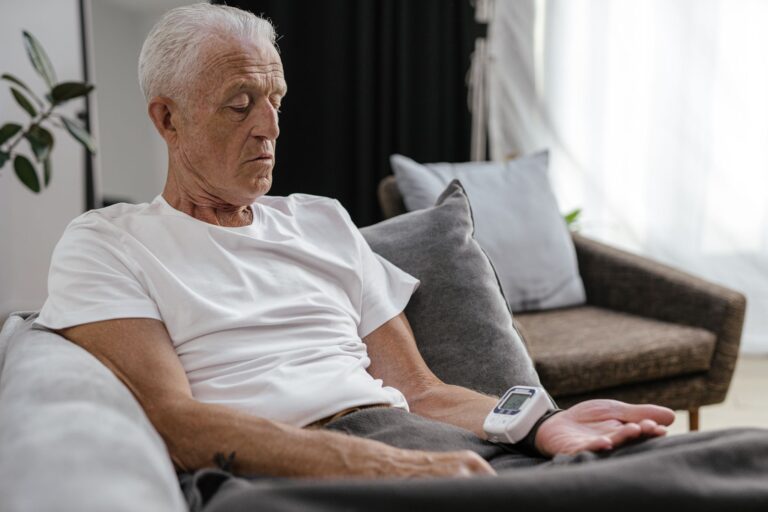
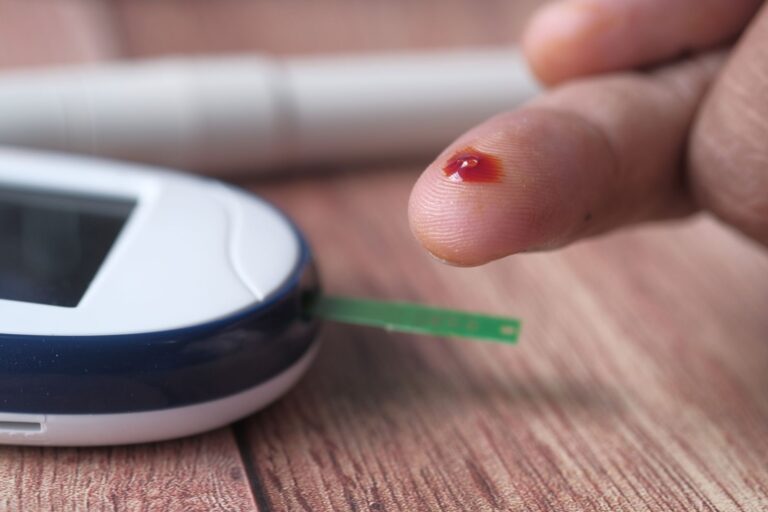
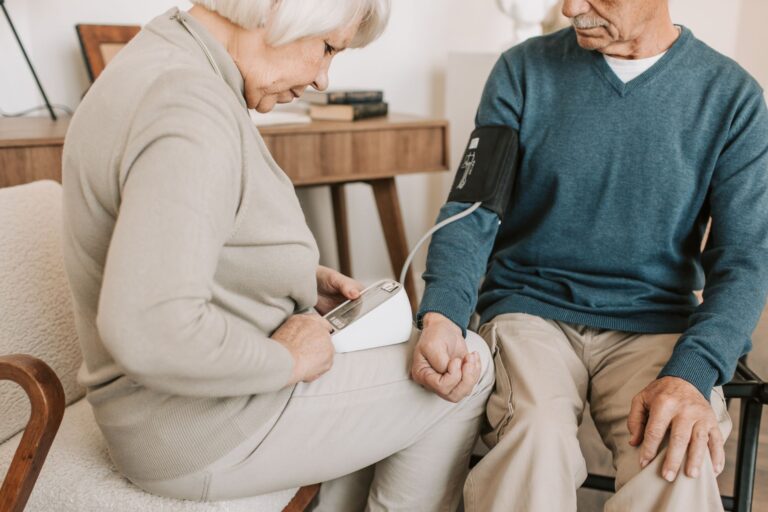
- manage blood pressure, diabetes and cholesterol, and use hearing aids when needed
You Might Also Like
- High Cholesterol in the 2026 WHO Dementia Guideline: What the Update Means for People With Mild Cognitive Impairment
- Hearing Aids in the 2026 WHO Dementia Guideline: What the Update Means for People With Mild Cognitive Impairment
- Diabetes in the 2026 WHO Dementia Guideline: What the Update Means for People With Mild Cognitive Impairment