Dementia with multiple etiologies means more than one brain-disease process contributes to a person's dementia, and the 2026 NIA summit report treats that overlap as a central research gap rather than recommending one treatment. For spouses and partners, that means key questions before joining research concern biomarker testing for coexisting causes and the time commitment of serving as a study partner. The summit met virtually March 17-19, 2026 to review progress and identify unmet research needs, according to the HHS ASPE advisory update federal meeting update. A summary of the resulting NIA report says it highlights research gaps and priorities instead of endorsing a single treatment or care model.
Medical information disclaimer: This article is for general educational purposes only and does not provide medical advice, diagnosis, or treatment. Always consult a physician or other qualified health professional about symptoms, medications, tests, or treatment decisions.
Table of Contents
- What does multiple etiologies mean in practice?
- Why does mixed pathology change symptoms and testing?
- Do spouses and partners face higher risk themselves?
- What should couples ask before joining research?
What does multiple etiologies mean in practice?
The term describes coexisting disease processes, such as Alzheimer changes plus vascular injury or Lewy body pathology. Most people with dementia have such mixed changes rather than one pure cause, according to the Alzheimer's Association 2025 Facts and Figures report.
Autopsy studies show how common overlap is. In NIA-funded Memory and Aging Project autopsies, more than half of brains meeting Alzheimer criteria also showed at least one other dementia cause, most often vascular changes. The diverse LifeAfter90 oldest-old cohort found 69% had three or more pathologies, with 35% having dementia at last evaluation.
Why does mixed pathology change symptoms and testing?
Combined pathologies can produce a more complex and faster course. Among 919 autopsied patients from 29 NIH-funded Alzheimer centers, Brown University researchers found combined Alzheimer plus frontotemporal lobar degeneration brought more anxiety, delusions and irritability.
That complexity affects diagnosis. The 2024 NIA-AA criteria define Alzheimer biologically by Core-1 biomarkers such as amyloid PET, CSF amyloid-beta 42/40, or plasma p-tau217, even without symptoms. For mixed dementia, one Alzheimer biomarker alone does not rule out added vascular, Lewy body, or other frontotemporal processes.
Do spouses and partners face higher risk themselves?
A Taiwan nationwide cohort from 1998-2022 followed nearly 1 million married adults and found spousal dementia exposure raised partner dementia risk 74% in women and 69% in men, according to the JAMA Network Open study Taiwan spouses cohort. Risk here means a statistical association during follow-up, not a prediction for any one couple.
The finding is observational from insurance records and cannot prove caregiving causes dementia. Shared lifestyle, age, stress, sleep loss, delayed care, and shared environment may contribute. Spouses should treat the result as a prompt for brain-health follow-up, not as blame or fate.
What should couples ask before joining research?
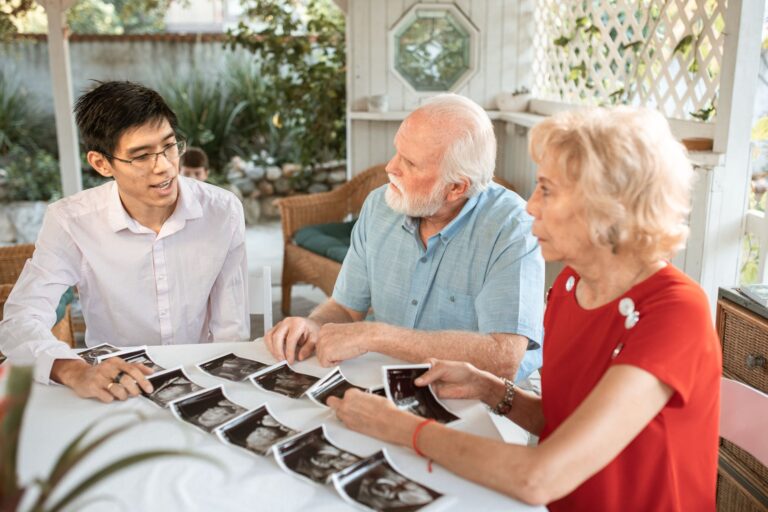
Most Alzheimer trials require a study partner who knows the participant well, often a spouse with about 10 hours of weekly contact, according to the National Institute on Aging NIA trial participation guidance. The partner usually attends visits and reports on daily function, memory changes, and side effects. Ask the study team these questions before consenting:.
- Will you test for coexisting causes with vascular imaging, alpha-synuclein testing, or repeat biomarker measures?
- What is the visit schedule, travel burden, weekly contact requirement, and backup-partner plan?
- How will you share biomarker results, incidental findings, and implications for the partner's own screening?
- What support covers respite, work absence, costs, and withdrawal without loss of usual care?
You Might Also Like
- Support for People Without Care Partners in the 2026 NIA Report: What the Report Establishes and Leaves Unanswered for Working Dementia Caregivers
- Adult Day Services Research Priorities in the 2026 NIA Report: What the Report Establishes and Leaves Unanswered for Working Dementia Caregivers
- Strengths-Based Dementia Care in the 2026 NIA Report: What the Report Establishes and Leaves Unanswered for Working Dementia Caregivers