The 2026 NIA report establishes research priorities on navigation, coordination, economics and quality of life, not a single care model for people without a care partner. For working dementia caregivers, it leaves paid leave, coverage and out-of-pocket costs unanswered while that research continues. A care partner is a family member or friend who provides unpaid help. Navigation means help finding, arranging and following through on dementia care and services.
Medical information disclaimer: This article is for general educational purposes only and does not provide medical advice, diagnosis, or treatment. Always consult a physician or other qualified health professional about symptoms, medications, tests, or treatment decisions.
Table of Contents
- What the 2026 report prioritizes
- Why people without care partners face higher risk
- What working caregivers juggle now
- What stays unresolved for solo households
- Practical steps for working caregivers
- Frequently Asked Questions
What the 2026 report prioritizes
The National Institute on Aging held its virtual Dementia Care and Caregiving Research Summit on March 17-19, 2026, with a summary report on gaps and opportunities released August 13, 2026, according to the ARCH Quick News Update the ARCH summit update. The report does not recommend one treatment or care model. It instead prioritizes research on navigation, coordination, economics and quality of life, according to the ComForCare summary of the NIA report the ComForCare report summary.
That focus matters for families because daily work centers on appointments, handoffs, costs and symptoms. Coordination research can improve referrals, follow-up and caregiver support over time. It does not change clinic coverage or employer leave now.
Why people without care partners face higher risk
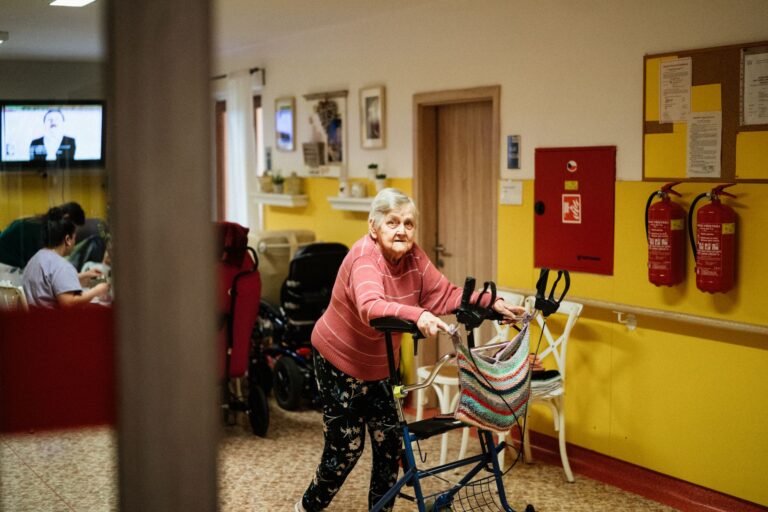
About 22.6% of community-dwelling older adults with dementia live alone, and that group has the most fragmented care networks and highest unmet needs for home, food and self-care help, according to the Journal of Gerontology Series B via PMC the Journal of Gerontology study. Missed meals, missed medications and missed home repairs accumulate faster without another person in the home. A working relative may learn about problems late.
Research enrollment shows the same gap. Among 281 people living alone with dementia, fewer than half had a nonresident caregiver willing or able to join research, versus 91% of those living with others. Outreach lists and phone checks often miss solo households.
What working caregivers juggle now
About 60% of dementia caregivers were employed in the past year, according to the Alzheimer's Association the Alzheimer's Association caregiver report. Work calls collide with daytime appointments, pharmacy hours and crisis calls from home. Solo living raises the stakes because no one else is present to wait, watch or drive.
Total 2026 U.S. dementia cost is estimated at $818 billion, with families carrying a far larger share than health systems and government. Lost work time, travel, paid help and household fixes add up. Navigation help may reduce wasted effort, but it does not set prices or benefits.
What stays unresolved for solo households
Collaborative care and navigation remain research-stage with low-strength evidence and persistent data silos. Working caregivers still lack clear answers on paid leave, coverage and out-of-pocket costs. Clinic notes, community services and payer records often do not connect.
For a person without a care partner, that fragmentation can mean no named contact, no shared plan and no backup. Adult children may hold medical consent forms yet lack daily visibility. Local agencies may each see only one need.
Practical steps for working caregivers
Use a short support check for a parent or relative who lives alone: Repeat the check after falls, hospital visits and medication changes. Keep copies with the local contact and one backup person. Small written plans reduce missed tasks when work travel interrupts care.
- Name one local contact for urgent entry, meals and rides.
- List medications, allergies, clinicians and pharmacy in one page.
- Ask the clinic for a written care plan and after-hours number.
- Schedule weekly food, home safety and bill checks.
- Document work conflicts and ask the employer about leave options.
Frequently Asked Questions
Does the 2026 NIA report name a best care model for people living alone?
No. It prioritizes further research on navigation, coordination, economics and quality of life.
What should I arrange first for a parent with dementia and no live-in helper?
A local backup contact, a one-page medical list, a written clinic plan, and weekly checks for food, safety and bills.
You Might Also Like
- Strengths-Based Dementia Care in the 2026 NIA Report: What the Report Establishes and Leaves Unanswered for Working Dementia Caregivers
- Culturally Responsive Caregiver Support in the 2026 NIA Report: What the Report Establishes and Leaves Unanswered for Working Dementia Caregivers
- Community-Academic Dementia Partnerships in the 2026 NIA Report: What the Report Establishes and Leaves Unanswered for Working Dementia Caregivers