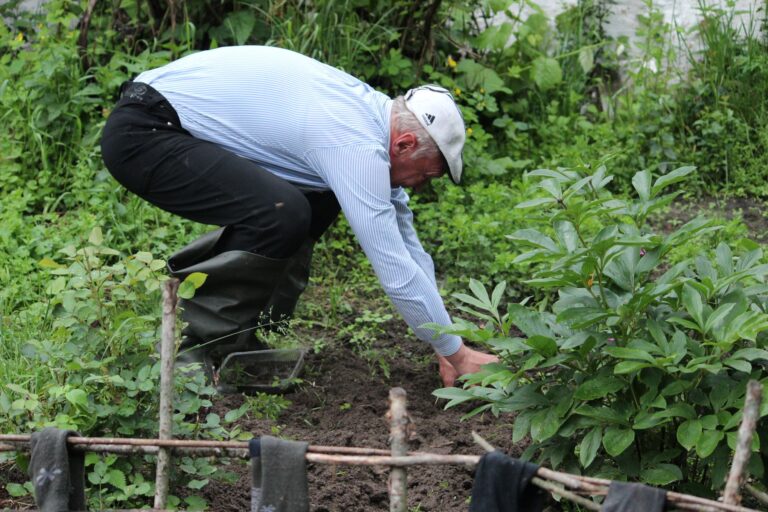
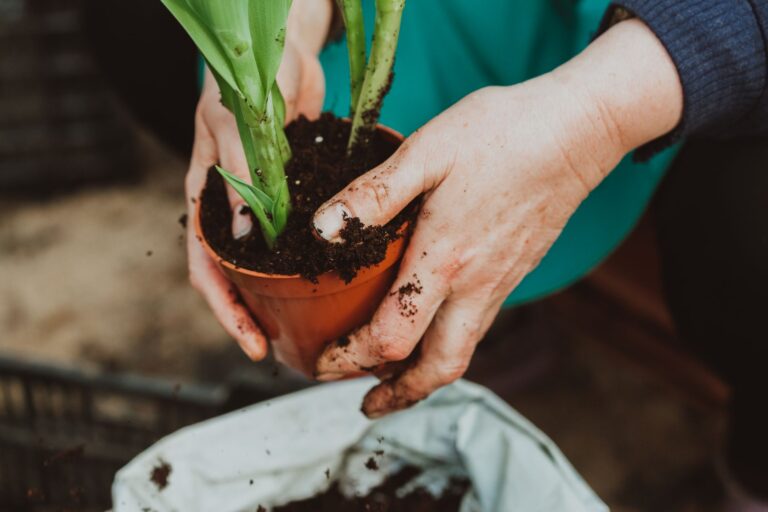
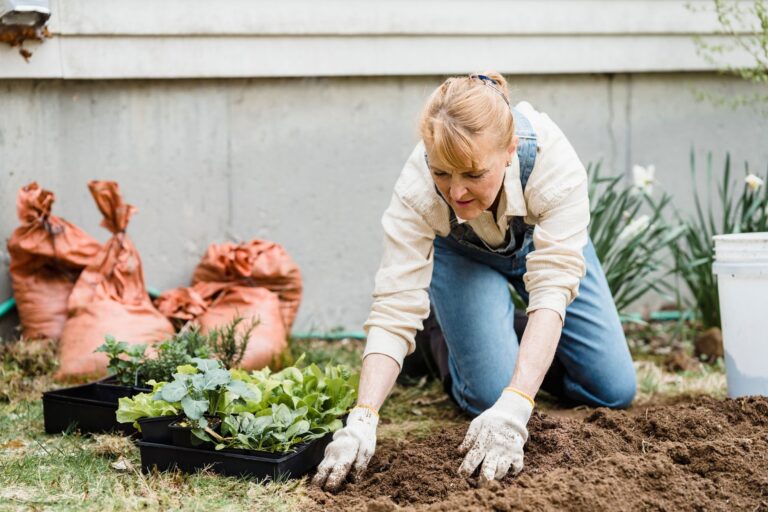
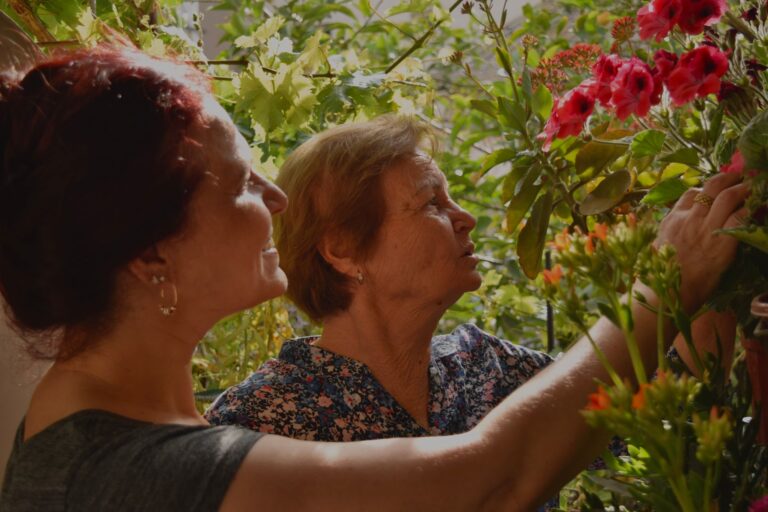
The most common barriers are low motivation, poor physical or cognitive health, stigma, and lack of suitable exercise providers. Limited access, missing companions, low confidence, fall risk, heat sensitivity, and unsafe garden layouts also make regular gardening hard. Mild cognitive impairment (MCI) means thinking and memory changes beyond normal aging, without loss of daily independence. Gardening is worth adapting because prevention evidence is promising, though not proof of cause and effect.
Medical information disclaimer: This article is for general educational purposes only and does not provide medical advice, diagnosis, or treatment. Always consult a physician or other qualified health professional about symptoms, medications, tests, or treatment decisions.
Table of Contents
- Does gardening help prevent dementia?
- Why is starting hard with MCI?
- What physical risks block gardening?
- How can families make gardening doable?
Does gardening help prevent dementia?
Regular garden work was linked to 28% lower incident dementia risk (HR 0.72) among 8,676 older Chinese adults, according to the Chinese cohort analysis. The 95% confidence interval was 0.57–0.93. The finding supports prevention but does not prove causation.
Among 136,748 US adults aged 45 and older, gardeners had 28% lower odds of subjective cognitive decline than non-exercisers, according to the June 2024 Nutrition Journal analysis. They also had 43% lower odds of decline-related functional limitation, partly through energy use and lower depression. A 2025 scoping review via PubMed found mood benefits were consistent while cognitive benefits were mixed, with stronger support for prevention than treatment.
Why is starting hard with MCI?
People with mild cognitive impairment or early dementia often report low intrinsic motivation and poor physical or cognitive health, according to Hobson and colleagues in the Journal of Aging and Physical Activity. Stigma around diagnosis can reduce willingness to join groups. Lack of suitable exercise providers leaves families without adapted options.
An umbrella review in the International Journal of Nursing Studies found the strongest supports were material resources, social support, and perceived competence. Without transport, garden access, a companion, and early success, effort drops. Confidence matters as much as strength.
What physical risks block gardening?
More than 1 in 4 US adults aged 65 and older falls each year, according to CDC STEADI fall-prevention resources. Uneven soil, wet grass, and carrying tools turn that risk into a daily barrier. Raised beds and clear, level paths reduce tripping and lifting.
Adults 65 and older face higher heat-illness risk and often use medicines that impair temperature control or sweating, according to CDC guidance on heat and older adults. Midday sun, shade gaps, and poor hydration then force missed sessions. Dementia-friendly design also limits plant choice and unsupervised access. Boundaries must prevent wandering, and plants must avoid poison, irritants, thorns, or sharp edges, according to the Alzheimer's Society UK.
How can families make gardening doable?
Enclosed looped paths, raised beds, ergonomic tools, locked storage for chemicals and sharp tools, and supervision help, per joint guidance from UCL and the Royal Horticultural Society guide. Access, companions, and confidence-building matter most for continued participation.
Small, repeated successes rebuild routine. Start with one 20-minute shared task, such as watering herbs or deadheading marigolds, and keep tools locked after use.
- Garden in morning or evening with water, hat, and shade breaks
- Use raised beds, light ergonomic tools, and a clear looped path
- Plant safe, touchable herbs and flowers; avoid toxic or thorny species
- Store chemicals and sharp tools locked; garden with supervision