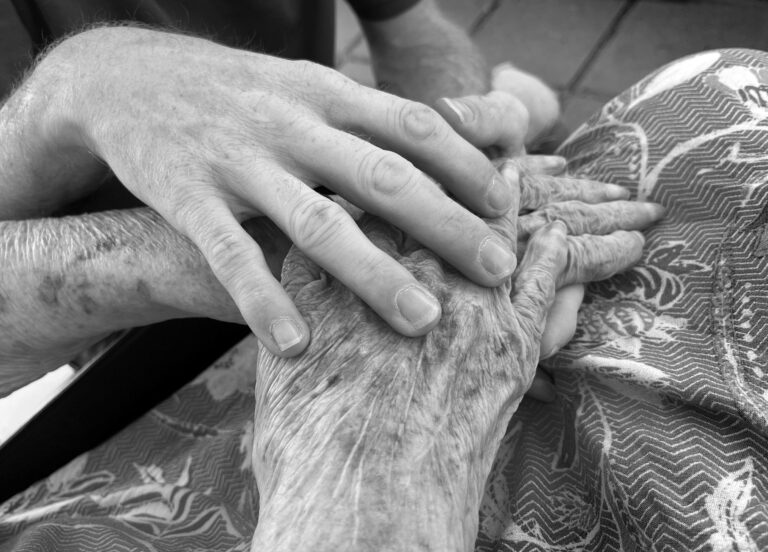
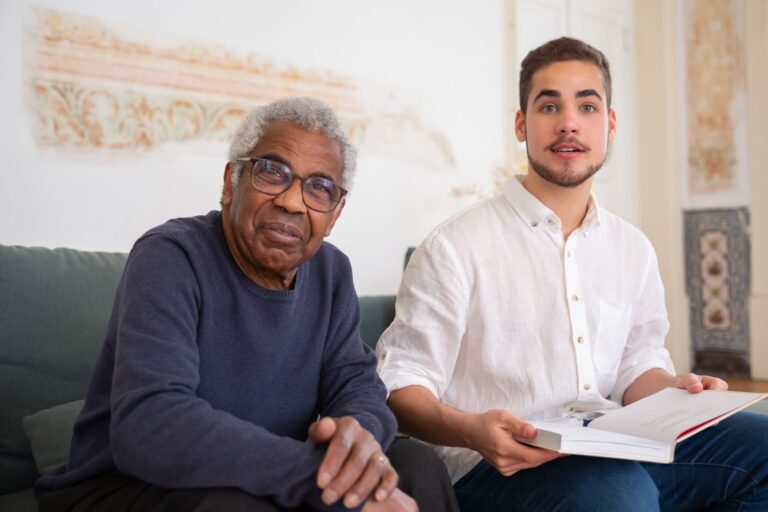
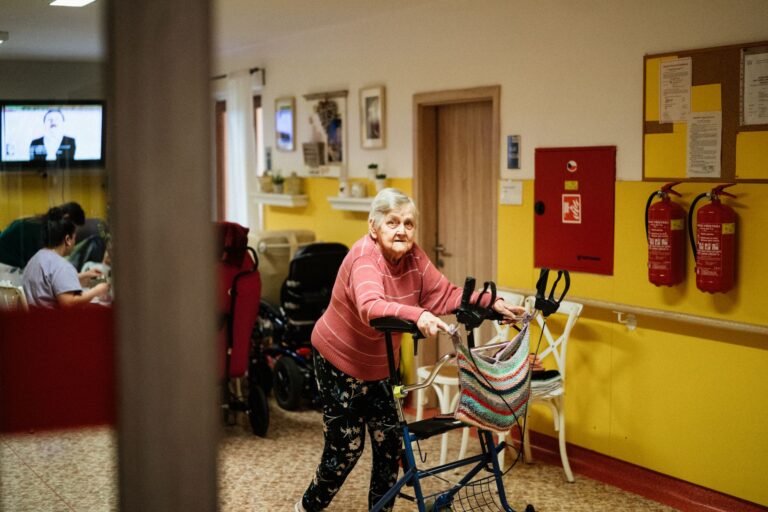
The 2026 NIA summit report names strengths-based dementia care as a research priority, not a prescribed treatment or care model. Strengths-based dementia care means care that protects abilities, identity and relationships, and for working caregivers the report leaves how to deliver it around a job unanswered. The Gerontologist summary notes the report lists gaps and priorities rather than one model, including strengths-based approaches that preserve personhood and relationships call for papers. That framing matters because work schedules, costs and daily strain shape what caregivers can actually use.
Medical information disclaimer: This article is for general educational purposes only and does not provide medical advice, diagnosis, or treatment. Always consult a physician or other qualified health professional about symptoms, medications, tests, or treatment decisions.
Table of Contents
- What strengths-based care means day to day
- Why work makes the gap sharper
- What one strengths-based program tested
- Why that result fits working caregivers poorly
- How to use the idea now
What strengths-based care means day to day
It starts with what remains possible, not only what was lost. A caregiver might protect morning routines, music, humor, faith, cooking skills or long-held roles in the family.
Care plans then build around those strengths. Visits focus on shared activity, choice and connection, with tasks adjusted so the person can still take part.
Why work makes the gap sharper
The USC Schaeffer Center estimates 5.7 million U.S. adults had dementia in 2026, supported by 5.2 million care partners, with total costs of $818 billion cost analysis. Unpaid care and lost earnings drive much of that burden.
The Alzheimer's Association reports about 60 percent of dementia caregivers were employed in the past year, with 57 percent arriving late, leaving early or taking time off caregiver facts. Sixteen percent took a leave of absence. A relationship-focused model without workable time, coverage and cost leaves these caregivers without a path.
What one strengths-based program tested
City University of Hong Kong Scholars records a 14-session strengths-based narrative and empowerment intervention in 350 family caregivers that improved sense of coherence, mental health, perceived burden and depression over 22 weeks without reported harm trial record. Sense of coherence means life feels clear, workable and worth engaging.
Sessions helped caregivers retell their story, name skills and set small goals. Change came from meaning and coping, not from added hours of care.
Why that result fits working caregivers poorly
The same trial record describes a sample drawn from Hong Kong community centers, mostly older women with a mean age near 65. Daily life, job demands and support options differ for younger employed U.S.
caregivers. The report does not fill that distance. It does not say which parts work by phone, evening or weekend, how employers should adjust, or which outcomes matter most when time is short.
How to use the idea now
Treat strengths as part of the care routine, not extra work. Pick one ability to protect this week and shape tasks around it. Share that short plan with others who help, so coverage keeps the same rhythm on workdays.
- Name one strength to keep: greeting visitors, folding laundry, walking, prayer, music.
- Give it a fixed slot with a clear role and simple steps.
- Reduce friction: lay out items, cut choices to two, stay nearby.
- Note what helped and repeat it; drop what raised tension.
You Might Also Like
- Culturally Responsive Caregiver Support in the 2026 NIA Report: What the Report Establishes and Leaves Unanswered for Working Dementia Caregivers
- Community-Academic Dementia Partnerships in the 2026 NIA Report: What the Report Establishes and Leaves Unanswered for Working Dementia Caregivers
- Adult Day Services Research Priorities in the 2026 NIA Report: What the Report Establishes and Leaves Unanswered for Working Dementia Caregivers