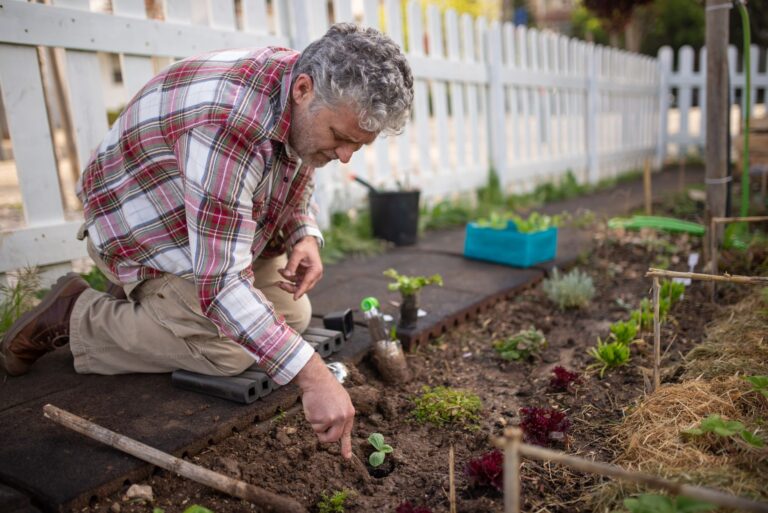
Track progress by pairing clinician checkups every 6-12 months with a dated home log of memory changes and gardening sessions. Mild cognitive impairment (MCI) means greater memory or thinking problems than expected for age while still handling daily tasks. Not everyone with MCI develops dementia.
A useful log records date, gardening minutes and effort, sleep, mood, diet and any memory slip with what happened. Bring that record to each visit so the clinician can compare change over time. Clinicians often use brief screenings such as MoCA to track scores across visits.
Medical information disclaimer: This article is for general educational purposes only and does not provide medical advice, diagnosis, or treatment. Always consult a physician or other qualified health professional about symptoms, medications, tests, or treatment decisions.
Table of Contents
- What does clinical tracking include?
- How do you log gardening as a brain-health input?
- Why track mood, movement and meals too?
- What are the limits of home tracking?
What does clinical tracking include?
The National Institute on Aging advises people with MCI to see a doctor or specialist every 6-12 months and bring a written record of changes between visits, as described in the NIA fact sheet on MCI. Use visits to review symptoms, medications, sleep, mood and daily function. Ask what score or scale the clinic uses so home notes line up with it.
Many clinics track MCI with the Montreal Cognitive Assessment, called MoCA, a 10-15 minute 30-point screening. It covers memory, executive function, attention, language, visuospatial skills and orientation, with 26 or higher considered normal. The U.S. National Library of Medicine describes this use of cognitive testing in its MedlinePlus guide to cognitive testing.
How do you log gardening as a brain-health input?
Write one line per session so patterns are easy to scan at the next visit. The Centers for Disease Control and Prevention tells older adults to get at least 150 minutes weekly of moderate aerobic activity plus muscle-strengthening on 2 days, and lists gardening as qualifying muscle-strengthening activity, as stated in the CDC physical activity handout.
That makes frequency, duration and intensity useful brain-health inputs. The Alzheimer's Association states that regular physical activity improves brain blood flow, promotes new nerve-cell growth and lowers risks such as hypertension and diabetes.
- date, total active minutes, breaks and weather or heat exposure
- tasks done and effort, such as light weeding compared with heavy digging or hauling
- symptoms during or after, such as dizziness, pain, shortness of breath or unusual fatigue
Why track mood, movement and meals too?
A 2024 Nutrition Journal study of 136,748 U.S. adults age 45 and older found gardeners had 28% lower odds of subjective cognitive decline and 43% lower odds of decline-related functional limits than non-exercisers, according to the PubMed record for the study. The comparison was against non-exercisers, not against all other exercise.
That context helps keep expectations realistic. The same study's mediation analysis attributed much of the link to higher energy expenditure at 39.0%, lower depression likelihood at 21.5% and higher fruit-vegetable intake at 3.4%. Track daily steps or active minutes, mood and sleep, plus fruit and vegetable servings. Small weekly averages reveal change better than any single day.
What are the limits of home tracking?
The large gardening finding was cross-sectional, so it cannot prove gardening prevents decline. Home notes and screening scores cannot diagnose MCI or dementia alone. MedlinePlus and MoCA materials present these tests as screenings that need clinician follow-up.
Treat a falling MoCA score, more frequent memory slips, getting lost, missed bills or new trouble with familiar garden steps as prompts to call sooner. Bring the log, medication list, sleep notes and questions about safety with tools, heat and pesticides. Ask whether the pattern looks stable, better or in need of further testing.