Building gardening into a routine for mild cognitive impairment means scheduling twice-weekly garden work that raises breathing and effort. Mild cognitive impairment means measurable memory, language, or judgment loss beyond normal aging, while the person still handles most daily activities alone. Garden work can count toward weekly activity goals while adding movement, mood support, and fresh food. This guide explains what studies show, how garden tasks fit exercise targets, and how to make the habit practical.
Medical information disclaimer: This article is for general educational purposes only and does not provide medical advice, diagnosis, or treatment. Always consult a physician or other qualified health professional about symptoms, medications, tests, or treatment decisions.
Table of Contents
- Why exercise matters after mild cognitive impairment
- What gardening studies add
- How does a 150-minute garden week look?
- How to make the habit stick safely
Why exercise matters after mild cognitive impairment
The American Academy of Neurology guideline, endorsed by the Alzheimer's Association, advises clinicians to recommend twice-weekly exercise to people with mild cognitive impairment to aid memory and thinking, according to the Mayo Clinic summary of the guideline. The goal is support for thinking, not a cure.
Guideline author Dr. Ronald Petersen advises about 150 minutes weekly of aerobic exertion hard enough to sweat but light enough to hold conversation. That level might slow progression from mild impairment to dementia.
What gardening studies add
In 136,748 U.S. adults age 45 and older surveyed in 2019, gardeners had lower odds of subjective cognitive decline than non-exercisers and fewer decline-related functional limits, according to the Nutrition Journal study. The adjusted odds were 0.72 for cognitive decline and 0.57 for functional limits. That link was statistically explained by higher energy expenditure, lower depression, and higher fruit and vegetable intake.
Energy use explained 39.0 percent, depression explained 21.5 percent, and diet explained 3.4 percent. The large U.S. study is cross-sectional, so it shows association rather than proof that starting gardening prevents dementia or reverses impairment. Researchers in China also followed 8,676 older adults for a median 4.31 years to test garden-work frequency against new dementia cases.
How does a 150-minute garden week look?
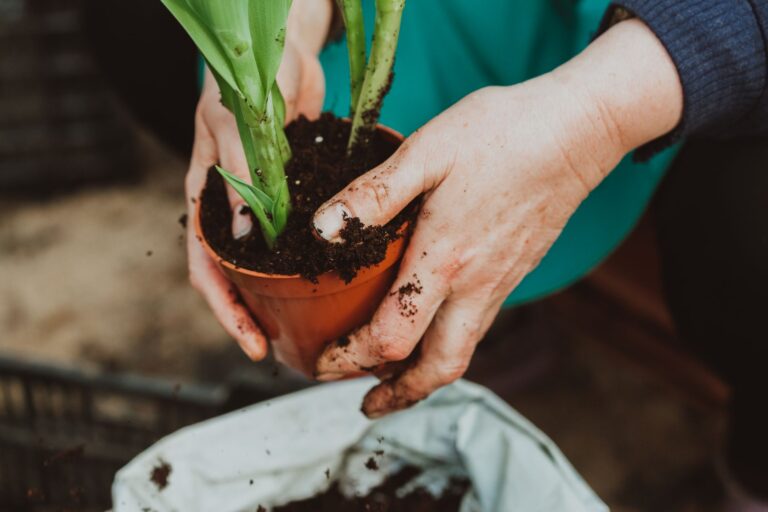
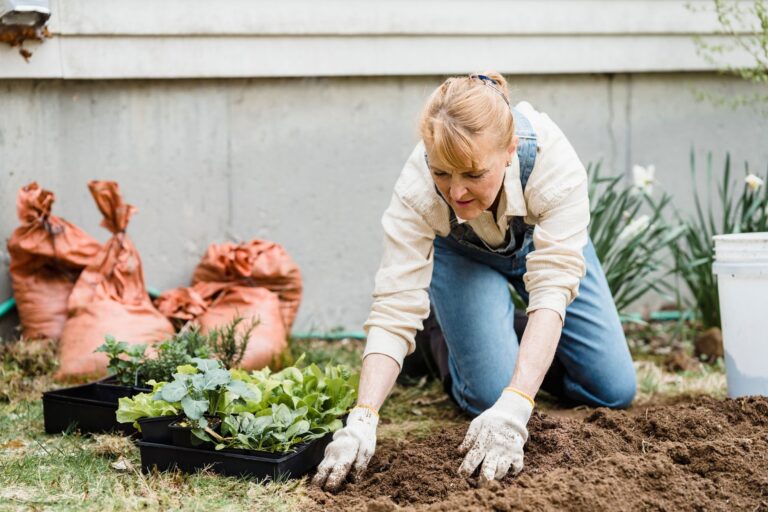
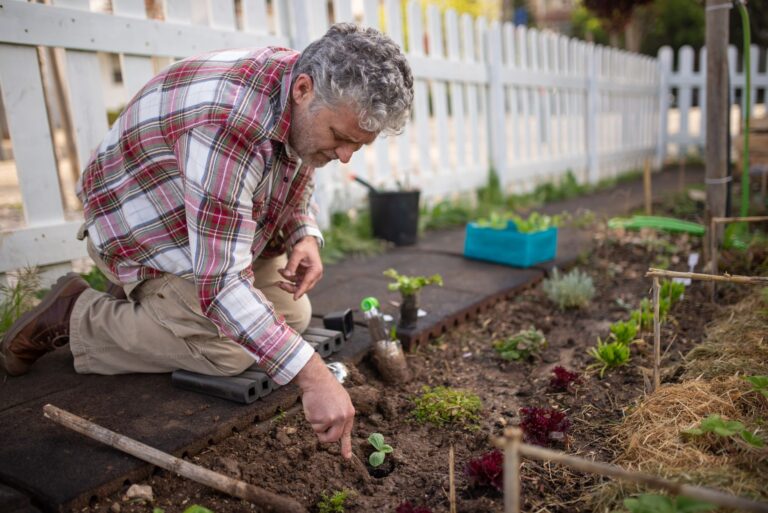
Adults age 65 and older need at least 150 minutes of moderate aerobic activity weekly, plus muscle-strengthening on two or more days and balance activities, according to the CDC older-adult guidelines. Garden tasks can help fill that mix. Aerobic effort comes from brisk raking, digging, pushing a wheelbarrow, and repeated trips with a watering can.
Strength comes from lifting soil bags, pulling weeds, and rising from a squat. Balance comes from reaching, stepping over beds, and working on uneven ground. A simple pattern is five 30-minute sessions or three 50-minute sessions. Pair each session with a short warm-up walk and water breaks.
- Pick two harder days for digging, hauling, and raking.
- Use two lighter days for planting, pruning, and watering.
- Add one balance day with slow stepping, reaching, and carrying light loads.
- Stop and rest when speech becomes difficult or joints hurt.
How to make the habit stick safely
Keep tools, water, shade, and a seat within easy reach. Work in morning or evening heat, wear sun protection, and keep paths clear and level. Track sessions on a calendar or fridge sheet.
Note minutes, tasks, effort, mood, and sleep. Bring a family member, friend, or neighbor on harder days for safety and company. Ask a clinician before starting when chest pain, falls, dizziness, or new medications affect balance. Start with two 30-minute sessions per week, then add time only when recovery feels easy.