People with mild cognitive impairment, early Alzheimer's dementia, low mood, difficulty with daily tasks, low motivation, and agitation may benefit most from art therapy. Caregivers may also benefit through shared creative activity and self-expression. Art therapy here means making visual art to support expression, engagement, and function. The Alzheimer's Association states that music and art enrich the lives of people with Alzheimer's by allowing self-expression and engagement even after dementia has progressed, described in Alzheimer's Association guidance on art and music.
Medical information disclaimer: This article is for general educational purposes only and does not provide medical advice, diagnosis, or treatment. Always consult a physician or other qualified health professional about symptoms, medications, tests, or treatment decisions.
Table of Contents
- Who benefits earliest?
- Can art help mood and daily tasks?
- What about motivation and agitation?
- How can families start simply?
Who benefits earliest?
Adults with mild cognitive impairment often face early memory and thinking changes. This stage is a common prodrome of Alzheimer's. Families often ask whether creative activity can help before dementia develops.
A 2026 systematic review and meta-analysis found that visual art therapy improved global cognition in this group across eight studies. The finding comes from the Frontiers in Public Health analysis, summarized in the March 2026 Frontiers review of visual art therapy. Painting, drawing, clay, collage, and simple crafts count. Regular short sessions fit attention and energy better than long workshops.
Can art help mood and daily tasks?
Low mood and trouble with daily tasks often appear together. Apathy, sadness, withdrawal, and slower self-care strain both the person and the family. Caregivers want activities that support feeling and function at once.
The same 2026 analysis found that visual art therapy reduced depressive symptoms and improved activities of daily living. That result suggests benefit for patients with low mood and functional difficulty. Color choice, texture, step-by-step making, and finished work can support confidence and routine participation.
What about motivation and agitation?
Loss of motivation, poor concentration, restlessness, and aggressive behavior are hard to manage at home. Families need calm activities that hold attention without adding pressure. A small painting study offers a practical signal.
A painting-workshop study in 12 people with Alzheimer's dementia reported improved motivation and concentration plus reduced agitation and aggressive behavior, as summarized in the 2021 Journal of Alzheimer's Disease Reports review. Families should still keep expectations realistic. Credentialed art therapy showed only in-session improvements in agitation, anxiety, and wandering, with a nonsignificant pooled quantitative effect, reported in the 2026 International Psychogeriatrics review.
How can families start simply?
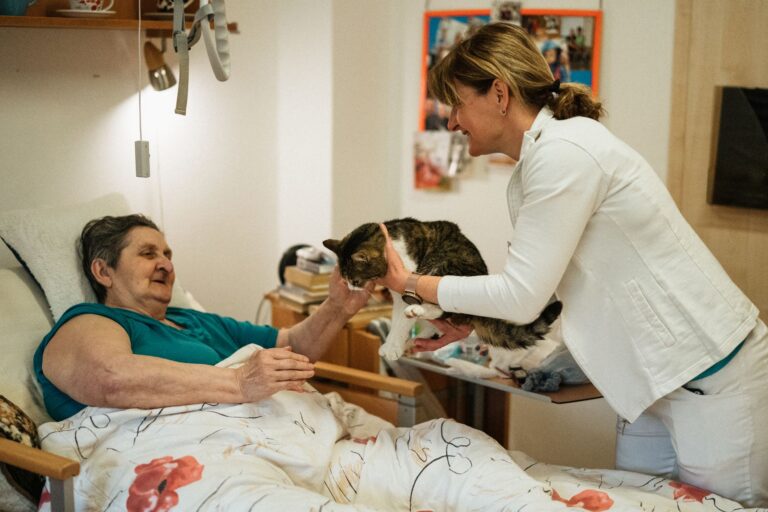
Professional art therapy is facilitated by a qualified art therapist. Yet any enjoyable art program can be empowering in memory care. Families can therefore start simple and seek credentialed help for specific behavioral goals.
The Alzheimer's Association states that art projects can create a sense of accomplishment and purpose for the person and the caregiver. Useful first steps include: Watch calmness, focus, mood, and willingness to join again. Bring notes about response to the care team. Ask for a qualified art therapist when agitation, anxiety, wandering, or depression needs targeted support.
- Offer one choice between two simple materials, such as watercolors or colored pencils.
- Keep the task short, seated, well-lit, and free of sharp tools.
- Praise effort and display the finished piece where it can be seen.