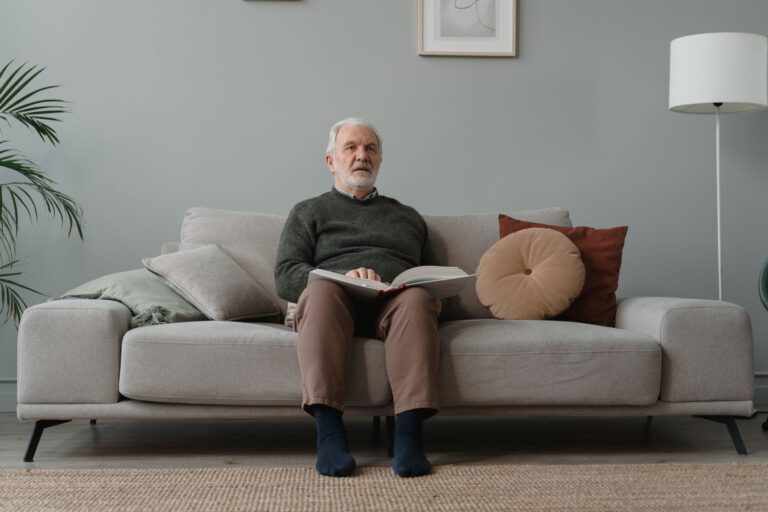
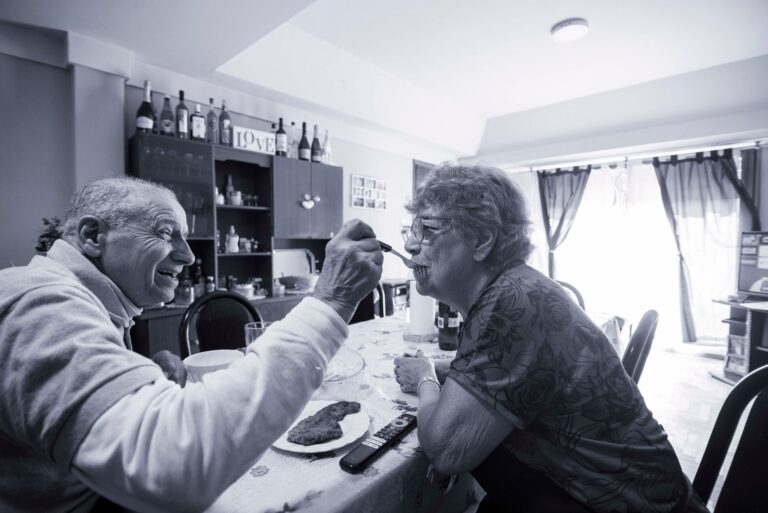
Bird watching for Alzheimer's needs only simple supplies, a feeder view from a favorite chair, and a few safety habits. Supervised bird watching can support concentration and memory while adding gentle movement and family time. Bird watching means noticing wild birds by sight and song, close up or from a window. The pleasure comes from contact with nature, conversation, and memories, according to the Alzheimer's Society in its activity ideas guide.
Medical information disclaimer: This article is for general educational purposes only and does not provide medical advice, diagnosis, or treatment. Always consult a physician or other qualified health professional about symptoms, medications, tests, or treatment decisions.
Table of Contents
- Why try birds for dementia care?
- What supplies do you actually need?
- How do you set up a no-walk viewing spot?
- How do you keep outings and feeders safe?
Why try birds for dementia care?
Care UK reports that supervised bird watching can improve concentration and memory in people living with dementia, as described in its bird watching tips. The same guidance links the activity to gentle outdoor movement and shared family time. The focus stays on enjoyment, not identification skill.
Keep sessions short, calm, and led by the person. Watch together, name colors or sounds, and stop before tiredness sets in. A familiar garden, park bench, or window often works better than a new trail.
What supplies do you actually need?
Beginners can start with only a field guide, weather-proof notebook, and free birding app. Binoculars are optional but useful, with many entry pairs in the 120 to 180 dollar range. Borrow or test a pair before buying when possible.
The standard all-around choice is 8×42 for a bright image and wide view. Ten-power binoculars bring birds closer but shake more, so add a harness or padded strap for comfort. For hands that tire easily, lighter weight often matters more than extra power.
- Field guide with large photos and range maps
- Weather-proof notebook and easy-grip pen
- Free birding app for song and photo help
- 8×42 binoculars with harness, only if wanted
How do you set up a no-walk viewing spot?
Place hanging feeders where they show clearly from a favorite indoor chair or window. This low-effort setup needs no walking and no binoculars. Keep the view open and the distance short.
Pick one chair with good daylight and little glare. Clear the sill, keep the guide and app within reach, and aim feeders at eye level. Add a small water dish nearby if space and upkeep allow.
How do you keep outings and feeders safe?
People with Alzheimer's who go outside should carry ID or wear a medical bracelet with name, address, and caregiver phone, according to the U.S. National Institute on Aging in its guidance on wandering. Use fenced, locked outdoor spaces where wandering is a concern. Stay close and agree on when to turn back.
For heat, caregivers should offer more water, choose loose light clothing, and use a hat plus SPF 30 or higher sunscreen. Go out in cooler morning hours and bring water even for short sits. Watch for thirst, flushed skin, or unusual fatigue. Clean feeders matter because dirty feeders can spread salmonella to birds and people. Scrub outside with warm soapy water, then soak with 9 parts water to 1 part bleach for 10 minutes.
- Rinse well and let dry fully
- Refill with fresh dry seed
- Wash hands after handling feeders