Strengths-based dementia care builds support around what a person can still do, enjoy, and choose. The 2026 National Institute on Aging summit report lists preserving personhood and relationship quality through this approach as a research priority.
Working caregivers can use that priority as a checklist for local services. The Alzheimer's Association describes this care as learning history and preferences, using person-centered language, and supporting what is possible. A community program matches the report when it plans with families and links them to ongoing help.
Medical information disclaimer: This article is for general educational purposes only and does not provide medical advice, diagnosis, or treatment. Always consult a physician or other qualified health professional about symptoms, medications, tests, or treatment decisions.
Table of Contents
- What strengths-based care looks like
- Why working caregivers are the focus
- What to ask about navigation and support
- How to check GUIDE and respite near you
What strengths-based care looks like
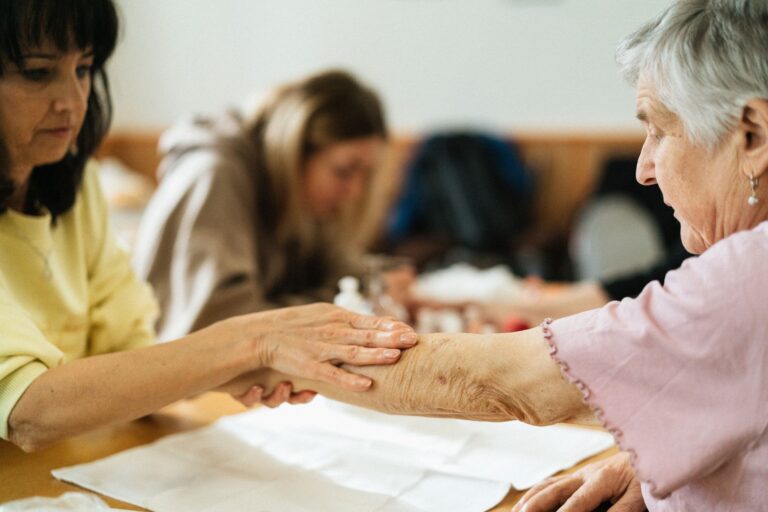
Ask staff how they learn a person's life story, routines, and preferences. Strong programs record work history, music, food, faith, and daily habits. They then shape activities and care around those details.
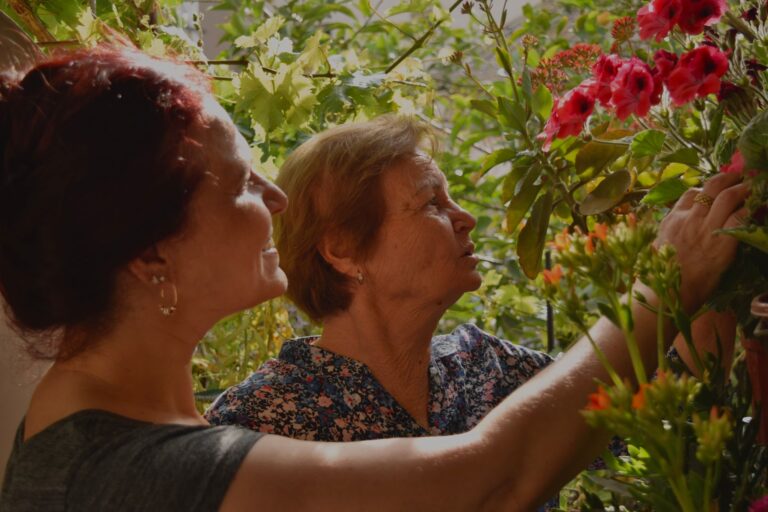
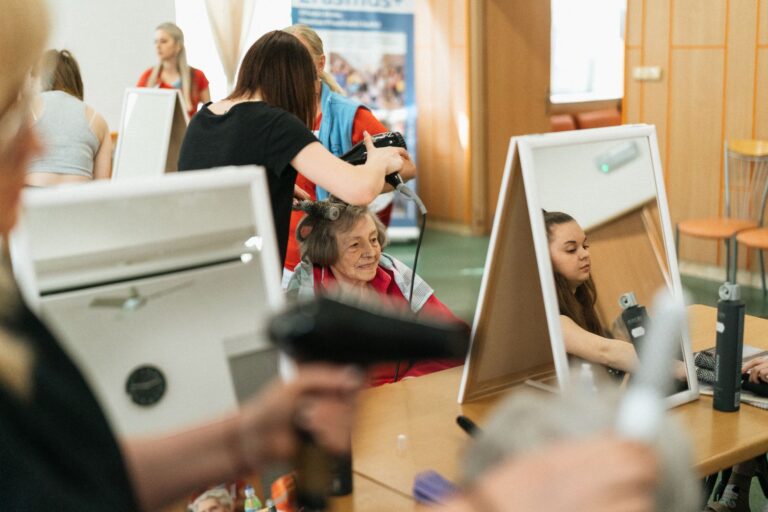
Language and focus matter during visits. Staff use names and choices, not labels. They name strengths first, then adapt tasks so the person can take part safely. A walk, folding laundry, or greeting visitors can count when it fits ability.
Why working caregivers are the focus
Unpaid dementia care happens at large scale in the United States. Nearly 12-13 million Americans provide unpaid dementia care, over 19 billion hours yearly valued at $413-$450 billion, and 60% were employed in the past year, the Alzheimer's Association reports in its November 2025 caregiver announcement. Work schedules make daytime phone calls, transport, and crisis coverage harder.
Cost pressure adds to that strain. Dementia health and long-term-care costs are projected at $409 billion in 2026, while families carry much of the wider burden. Practical help with planning, coordination, and backup care matters more than advice alone.
What to ask about navigation and support
The 2026 NIA summit prioritized planning with people living with dementia and care partners. It also stressed caregiver support, community partnerships, and coordination to health and community resources over time.
The National Institute on Aging held its summit virtually March 17-19, 2026 to review progress and identify unmet needs, according to the Roybal Centers announcement. Use these checks on a call or visit:.
- Do you build the care plan with the person and family caregiver together
- Is there a named navigator or coordinator for follow-up over months
- What caregiver training, support groups, or counseling do you offer
- Which local groups do you refer to for meals, transport, or day programs
How to check GUIDE and respite near you
Medicare's GUIDE Model is a practical community check. It is an 8-year voluntary CMS Innovation Center model started July 1, 2024 covering care coordination, 24/7 access, caregiver education and support, respite, and linkage to community groups, according to the CMS GUIDE Model page. Participation varies by area, so ask if a local dementia program takes part.
Under GUIDE, CMS reimburses participating programs up to $2,500 per year per eligible patient for respite when the patient has an unpaid primary caregiver. Respite can range from a few hours to longer breaks, including in-home help, adult-day service, or facility stays. The NIA document is a research-gaps report, not a care standard, and one large 2026 trial found no difference in symptoms or strain across care models. Call the program and ask if it bills through GUIDE and how respite is arranged.
You Might Also Like
- Early Dementia Diagnosis Economics in the 2026 NIA Report: What Working Dementia Caregivers Can Check in Their Community
- Culturally Responsive Caregiver Support in the 2026 NIA Report: What Working Dementia Caregivers Can Check in Their Community
- Community-Academic Dementia Partnerships in the 2026 NIA Report: What Working Dementia Caregivers Can Check in Their Community