Dementia respite care gives a spouse caregiver short-term relief while someone else cares for a husband or wife with dementia. Hourly home help medians $35 and adult day care medians $95 per day, payment help depends on eligibility, and provider questions protect your spouse.
Respite means temporary care at home, in a health facility, or at an adult day center. The 2025 CareScout survey reports those national medians. A break can last a few hours to several weeks.
Medical information disclaimer: This article is for general educational purposes only and does not provide medical advice, diagnosis, or treatment. Always consult a physician or other qualified health professional about symptoms, medications, tests, or treatment decisions.
Table of Contents
- What does respite care cover?
- How much does spouse respite cost?
- Who can get help paying for it?
- Where do you find local openings?
- What should you ask before you book?
What does respite care cover?
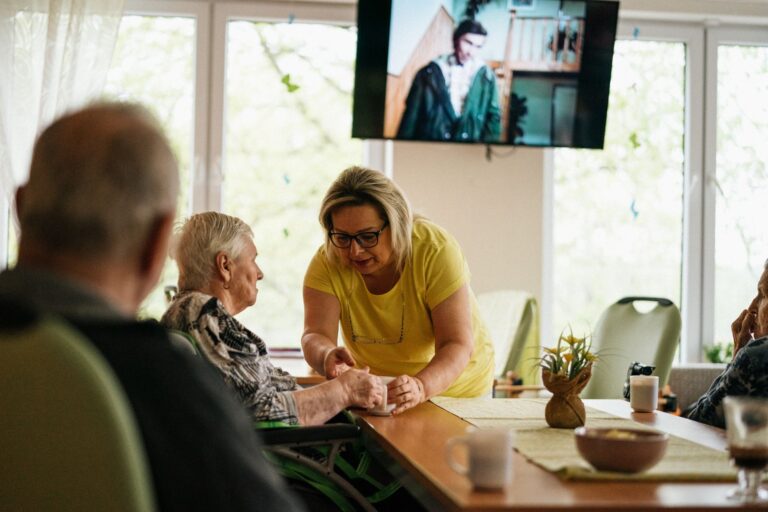
Respite covers supervision, personal care, and companionship while you rest, work, or handle appointments. According to the National Institute on Aging's caregiving guide, care can happen at home, in a health facility, or at an adult day center. At home, an aide helps with meals, bathing, safety, and routine. Adult day centers add meals, activities, and social contact during daytime hours.
Facility stays cover overnight needs for longer breaks. Choose the setting by length of break and care needs. A few hours fits home care or adult day. A week away often needs facility overnight care.
How much does spouse respite cost?
The 2025 CareScout survey found a national median of $35 per hour for a non-medical home caregiver, as reported in the 2025 cost survey results. Adult day health care medians $95 per day, or $24,700 yearly for five days per week. Home care costs rise fast with hours.
Ten hours per week at $35 equals about $350 weekly. Adult day often costs less per day than home help. Local prices vary by staffing, dementia training, and overnight rates. Ask for hourly, daily, and holiday rates in writing.
Who can get help paying for it?
Medicare's GUIDE dementia model reimburses up to $2,500 yearly per eligible patient for respite such as in-home care, adult day, and facility overnight care, according to the Centers for Medicare & Medicaid Services GUIDE model page. Recent program years adjust that cap for inflation to about $2,625. Eligibility has clear checks, described in the Centers for Medicare & Medicaid Services GUIDE program FAQs: A separate federal source is the National Family Caregiver Support Program from the Administration for Community Living.
It funds respite plus counseling, training, and supplemental services through state and local Area Agencies on Aging. Beginning July 1, 2026, people in residential care communities keep most GUIDE services but lose GUIDE respite eligibility and need an approved facility partnership. Check living-setting rules before you plan.
- dementia diagnosis and Original Medicare Parts A and B
- living in the community with an unpaid primary caregiver
- no hospice, no Medicare Advantage, and no long-term nursing-home residence
Where do you find local openings?
Start with your local Area Agency on Aging. The Administration for Community Living supports this network for caregivers helping loved ones at home. Call the Eldercare Locator at 1-800-677-1116 or search eldercare.acl.gov by ZIP, a route reviewed by CareLinkUSA.
Then ask the local agency about respite funds and adult day programs. Have diagnosis, schedule needs, and weekly hours ready. Compare two or three options before you commit. Ask about dementia experience, staff ratios, and backup coverage.
What should you ask before you book?
The Alzheimer's Association advises checking qualifications, services, costs, and hours by phone, visiting sites in person, and using its Community Resource Finder. Use these checks on every call: Visit adult-day or overnight sites before the first stay.
Watch staff tone, cleanliness, activity fit, and safety steps. Keep one backup provider for sick days.
- What dementia training do aides and supervisors have?
- What tasks are included, and what costs extra?
- What hours, minimums, cancellations, and emergency coverage apply?
- Can we tour, meet staff, and see the daily routine?