Lecanemab, a drug that lowered brain amyloid in clinical testing, now has a once-weekly at-home injection option for early Alzheimer's. It suits only adults with mild cognitive impairment or mild dementia due to Alzheimer's, slows decline modestly, and can cause brain swelling or bleeding. The Eisai/Biogen news release reports FDA approval of LEQEMBI IQLIK, once-weekly subcutaneous lecanemab-irmb, as a starting dose on July 13, 2026 approval announcement. That change removed the prior need for IV infusions to begin treatment.
Medical information disclaimer: This article is for general educational purposes only and does not provide medical advice, diagnosis, or treatment. Always consult a physician or other qualified health professional about symptoms, medications, tests, or treatment decisions.
Table of Contents
- Who may qualify?
- What does home dosing involve?
- What benefit did testing show?
- What are the risks and clinic checks?
Who may qualify?
Doctors prescribe lecanemab only for early Alzheimer's, not for moderate or severe dementia. That term means mild cognitive impairment or mild dementia tied to Alzheimer's disease.
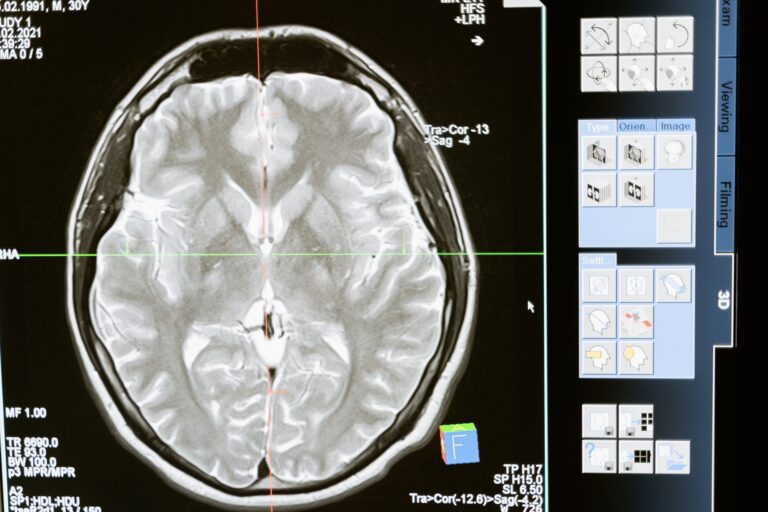
A family noticing major loss of daily function should expect a different care plan. The Alzheimer's Association states treatment must start only after PET or spinal-fluid testing confirms amyloid buildup. Patients also need a recent brain MRI before the first dose to assess swelling and bleeding risk.
- memory and thinking changes in the mild range
- Alzheimer's as the diagnosed cause
- amyloid confirmed plus baseline MRI for risk check
What does home dosing involve?
The at-home starting regimen is 500 mg weekly, given as two back-to-back 250-mg autoinjector shots, according to the Eisai/Biogen news release dosing announcement. Each shot takes about 15 seconds, and the same weekly approach can continue from start through maintenance.
NeurologyLive reported the FDA had earlier approved a weekly 360-mg shot for maintenance after 18 months of IV therapy. Now treatment can stay subcutaneous from start onward, which cuts infusion visits but not clinic monitoring.
What benefit did testing show?
The European Academy of Neurology summary of the Clarity AD trial reports lecanemab slowed decline 27% over 18 months on CDR-SB trial summary. The 1,795-person trial also showed lower brain amyloid versus placebo.
That result means slower worsening on average, not improved memory or a cure. Benefits apply to the early-stage group studied, not to later dementia. A person may stay independent longer, yet still decline.
What are the risks and clinic checks?
The FDA package insert carries a boxed warning for amyloid-related imaging abnormalities that cause brain swelling or bleeding prescribing information. Symptomatic risk runs highest for people with two copies of the APOE ε4 gene.
The Alzheimer's Association notes prescribing rules direct APOE ε4 testing before treatment and MRI scans on a set schedule. Home shots do not remove those visits, so families should plan for testing and regular scans. Ask the care team about APOE testing dates, MRI timing, and when to call before the first dose.
You Might Also Like
- Cognitive Training and Alzheimer’s Prevention: Benefits, Limits, and Next Steps
- Why the AAIC 2026 Soccer Study Does Not Prove Dementia: Why the Findings May Not Change Care Yet for Spouses and Partners
- MRI and ARIA Monitoring With At-Home Leqembi in 2026: Follow-Up Decisions People With Mild Cognitive Impairment May Need to Revisit