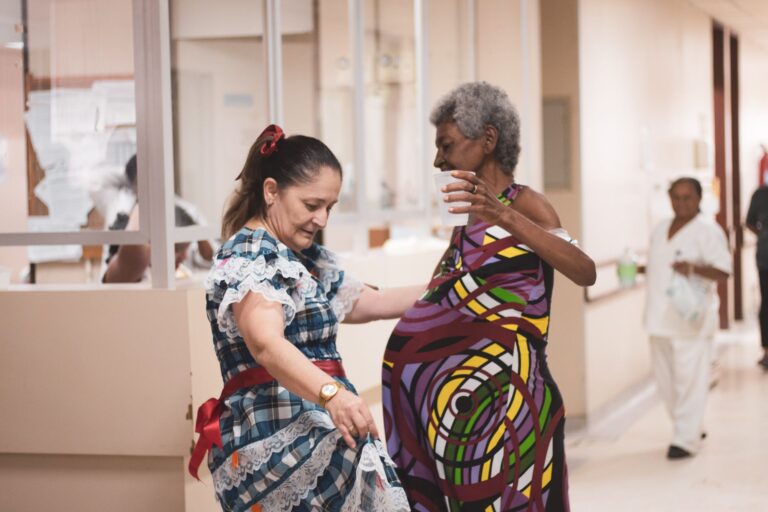
You can build dancing into a realistic dementia prevention routine in midlife with regular moderate aerobic sessions plus strength work. A workable target is 150 minutes of dance-based aerobic activity each week, with muscle strengthening on two days.
Dance works because it combines movement, music, balance, learning steps, and social contact. Midlife matters because habits set in these years carry forward into older age. Dance fits busy schedules because sessions can be short, home-based, or social.
Medical information disclaimer: This article is for general educational purposes only and does not provide medical advice, diagnosis, or treatment. Always consult a physician or other qualified health professional about symptoms, medications, tests, or treatment decisions.
Table of Contents
- What makes dance different for the brain?
- How much dance counts each week?
- What does a midlife dance week look like?
- Where are the limits?
What makes dance different for the brain?
Dance asks the brain to do several things at once. You follow rhythm, remember sequences, balance, adjust to a partner or group, and move continuously. That combination uses aerobic fitness, coordination, memory, and attention together. In the Einstein Aging Study of adults aged 75 to 85, frequent dancers had about 76% lower dementia risk than infrequent dancers, according to the study authors, and dance was the only physical activity with a significant link in that analysis summary of the ballroom dance findings.
The finding comes from older adults, not midlife beginners, so it suggests promise rather than a promise. Brain imaging adds another clue. In an 18-month German trial, both dance and fitness training increased left hippocampal volume, but only dancers gained in the left dentate gyrus and right subiculum, according to the trial researchers German trial report in Frontiers in Human Neuroscience. The dentate gyrus and subiculum are small parts of the memory system that help form and retrieve memories.
How much dance counts each week?
Treat dance as aerobic exercise first. U.S. guidance calls for at least 150 minutes weekly of moderate aerobic activity such as brisk walking or dancing, plus muscle strengthening on at least two days, according to the CDC CDC older-adult activity guidelines. Moderate means you breathe faster, feel warm, and can talk but not sing.
That total can be split into smaller blocks. Four 35 to 40 minute sessions reach the target, as do five 30 minute sessions. Add two short strength sessions using body weight, bands, or light weights. Add brief balance and flexibility work after dancing, when muscles are warm.
What does a midlife dance week look like?
Pick styles that keep your heart rate up and require learning. Salsa, swing, ballroom, line dance, folk dance, hip-hop, and follow-along dance fitness classes all count.
Choose one social style and one solo option so illness, travel, or a partner's schedule does not stop the week. A simple repeatable week looks like this: Protect joints and time by starting with lower impact. Warm up five minutes, wear supportive shoes, clear the floor, keep water nearby, and raise intensity over three to four weeks.
- Monday: 35-minute dance class or video, plus 10 minutes of squats, push-ups, and rows
- Wednesday: 35-minute social dance, practice, or dance party
- Friday: 35-minute dance session focused on new steps
- Sunday: 35 to 45 minute dance walk mix, plus balance and stretching
- Twice weekly: add calf raises, step-ups, and core work after dancing
Where are the limits?
Dance is not proven to work better than other exercise for thinking skills. In the 8-month Dancing Mind randomized trial of one-hour ballroom sessions twice weekly, dance did not beat walking for executive function in healthy active older adults, according to the trial researchers Dancing Mind trial in Frontiers in Aging Neuroscience. Executive function is the set of skills used for planning, switching tasks, and self-control.
That result helps set expectations. Walking remains a strong choice, especially for people with foot pain, dizziness, hearing loss, or fall risk. Tell an instructor about blood pressure issues, joint replacements, or balance problems, ask for low-turn and seated options, and seek medical advice after chest pain, fainting, or a fall. Book two fixed dance slots for next week, invite one other person, and keep the easiest backup video ready.