The 2026 NIA dementia care report treats early detection in everyday care as a starting point for planning, not as a single treatment or care model. For working caregivers, that earlier answer means time to finish legal papers, adjust work, and include the person with dementia in choices. Early detection across care settings means spotting memory and thinking changes during routine primary and specialty visits, not only in memory clinics.
ComForCare, summarizing the NIA summit report, notes the report highlights research gaps and future priorities rather than one preferred treatment ComForCare summary of the NIA report. Those priorities center on personhood, joint care planning, community partnership, and better coordination. For an employed family member, coordination and joint planning matter most.
Medical information disclaimer: This article is for general educational purposes only and does not provide medical advice, diagnosis, or treatment. Always consult a physician or other qualified health professional about symptoms, medications, tests, or treatment decisions.
Table of Contents
- What the report asks care to do differently
- How detection is reaching routine visits
- Why an earlier answer changes work planning
- What to settle while decisions can be shared
What the report asks care to do differently
The report does not pick one drug or one program as the answer. It points to gaps in how care honors the person, shares decisions, and connects services. That shift moves success away from finding the right facility. Instead, good care preserves identity and daily routine.
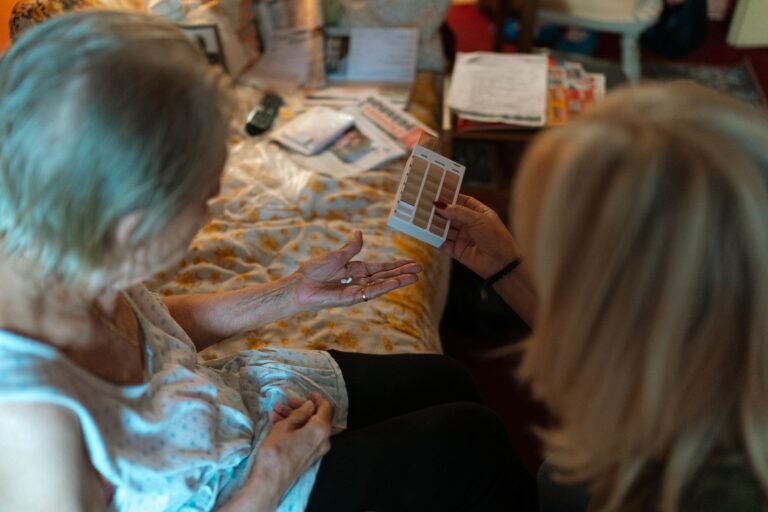
It brings the person with dementia and the care partner into the same planning talk. It links clinics, home support, and community groups so needs do not fall between visits. For workers, this means asking for a written plan after evaluation. Keep diagnoses, contacts, medicines, and next steps in one place. Share that record with each new clinician.
How detection is reaching routine visits
Blood-based testing is making Alzheimer-related evaluation more practical outside specialty clinics. Roche, reported by NeurologyLive, received FDA clearance on Aug. 24, 2026 for its Elecsys pTau217 plasma test for adults 55 and older with cognitive symptoms FDA clearance report for the Elecsys pTau217 test. The test is cleared to help rule amyloid pathology in or out in primary and specialty care.
That setting matters. A primary care doctor can start the workup closer to home and refer with clearer information. A specialist can use the same result to guide next tests and counseling. A test result alone does not set hours, benefits, or supervision needs. Use the visit to ask what the result changes now, what still needs exams, and when to return.
Why an earlier answer changes work planning
Most caregivers work. AARP and the National Alliance for Caregiving report 63 million caregivers in 2025, with six in 10 employed overall and seven in 10 working-age caregivers employed AARP and National Alliance for Caregiving survey findings. Many report work disruptions from caregiving. Early detection gives a window to act before a crisis forces leave.
Workers can map coverage, travel, night needs, and backup help while symptoms are mild. They can also ask employers about flexible hours, remote days, leave rules, and employee assistance. Start with tasks that conflict most with shifts. Track appointments, sleep disruption, driving safety, meals, and money tasks for two weeks. Bring that list to the care team and ask which supports reduce those hours first.
What to settle while decisions can be shared
The National Institute on Aging advises completing health, legal, and financial planning soon after diagnosis NIA guidance on planning ahead after diagnosis. The listed papers include durable power of attorney, health-care proxy, advance directives, and a will. Do these steps while decision-making capacity remains.
Name who can speak with doctors, pay bills, and make care choices. Store copies where a backup helper can find them fast. Then connect the papers to daily care:.
- Name one backup for work hours and one for nights and weekends
- Put medicine, allergy, clinician, pharmacy, and consent contacts on one sheet
- Set a date to review driving, cooking, finances, and home safety
- Ask the clinic for referrals to community support and care coordination
You Might Also Like
- The NIA 2026 Dementia Care and Caregiving Summit Report: Care-Planning Implications for Working Dementia Caregivers
- Adult Day Services Research Priorities in the 2026 NIA Report: Care-Planning Implications for Working Dementia Caregivers
- Implementation-Ready Dementia Interventions in the 2026 NIA Report: Questions Spouses and Partners Can Ask About the Research