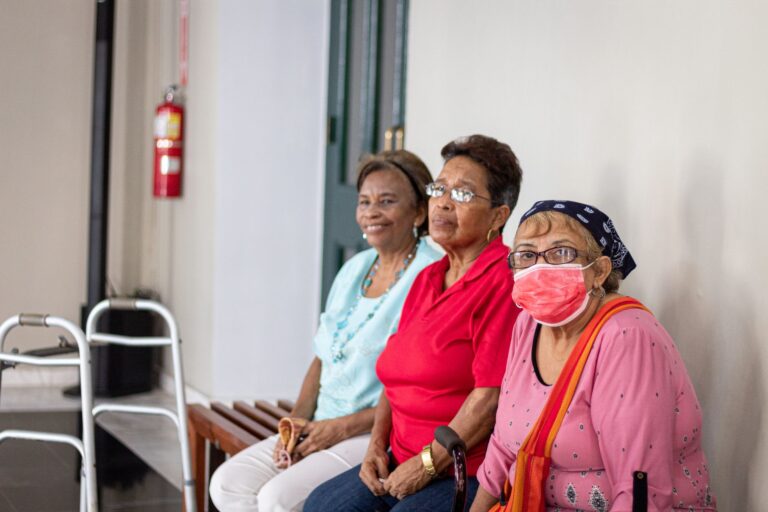
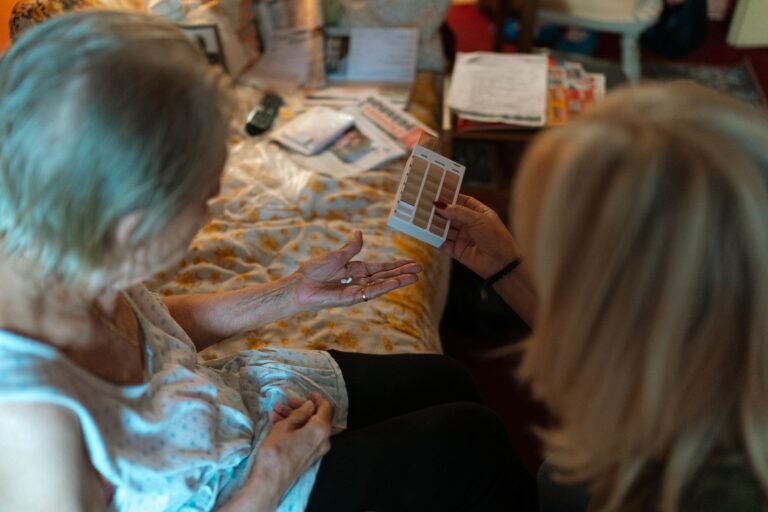
Care navigation — a guide who links families to health care, community resources, and support over time — stayed a 2026 NIA research priority. For working dementia caregivers, that means planning around a written care plan, a navigator contact, and respite to protect work and advance planning.
Work leaves little room for phone tag and paperwork. A named navigator and a current plan reduce that friction. Ask for both at the first visit.
Medical information disclaimer: This article is for general educational purposes only and does not provide medical advice, diagnosis, or treatment. Always consult a physician or other qualified health professional about symptoms, medications, tests, or treatment decisions.
Table of Contents
- What did the 2026 summit prioritize?
- What does navigator-led care include?
- Why does this hit working caregivers hardest?
- What should you do next — and what are the limits?
What did the 2026 summit prioritize?
Community Care Corps reports the National Institute on Aging convened a 2026 virtual summit on dementia care and caregiving research. Attendees included researchers, people living with dementia, care partners, providers, community groups, and federal partners. The goal was to review progress and name research gaps.
PrimeSpan, summarizing the NIA summit, reports care coordination and navigation stayed as continued priorities in its PrimeSpan summary of the summit. The focus is how navigation connects families to health care, community resources, and supportive services over time. Caregiver support is part of that question, not an add-on.
What does navigator-led care include?
CMS states on its GUIDE Model page that participating programs provide a navigator-led team with round-the-clock access. Caregiver education and respite are built in. Respite reimbursement reaches about $2,500 per year for each eligible patient.
For a working caregiver, translate that model into three requests. Ask for each by name at intake. Keep copies where you can find them fast. Update them after each major change.
- A written care plan you can share with work and family.
- A navigator name plus 24/7 contact path.
- Education and respite options with costs in writing.
Why does this hit working caregivers hardest?
AARP and the National Alliance for Caregiving estimate 63 million U.S. caregivers in its AARP 2025 caregiving report, about one in four adults. Sixty percent work, rising to seventy percent among ages 18–64. Researchers at the USC Alfred E. Mann School put 2026 U.S.
dementia costs at $818 billion in a NIA-funded study. It counted about 5.2 million care partners giving 6.8 billion unpaid hours, valued at $237 billion, often during prime working years. Those hours compete with shifts, deadlines, and promotion windows. Without backup, caregivers cut hours or leave. Navigation aims to protect that work time.
What should you do next — and what are the limits?
UCSF reported Feb. 5, 2026, in its UCSF research news that collaborative care with paid navigators improved quality of life, cut costs, and eased caregiver burden. It also delayed nursing-facility entry compared with lecanemab alone.
UCSF notes the comparison used a simulated 1,000-person cohort built from prior-study data. It was not a direct head-to-head trial of navigation against drug therapy. The Alzheimer's Association counts over 12 million unpaid dementia caregivers giving 19.6 billion hours in 2025. For working caregivers, its message is practical: use a written GUIDE care plan, navigator coordination, and respite to protect employment and advance-care planning.
You Might Also Like
- Adult Day Services Research Priorities in the 2026 NIA Report: Care-Planning Implications for Working Dementia Caregivers
- Early Dementia Detection Across Care Settings in the 2026 NIA Report: Care-Planning Implications for Working Dementia Caregivers
- Implementation-Ready Dementia Interventions in the 2026 NIA Report: Questions Spouses and Partners Can Ask About the Research